Snake Plant Care 101: Easy Tips for New Plant Parents
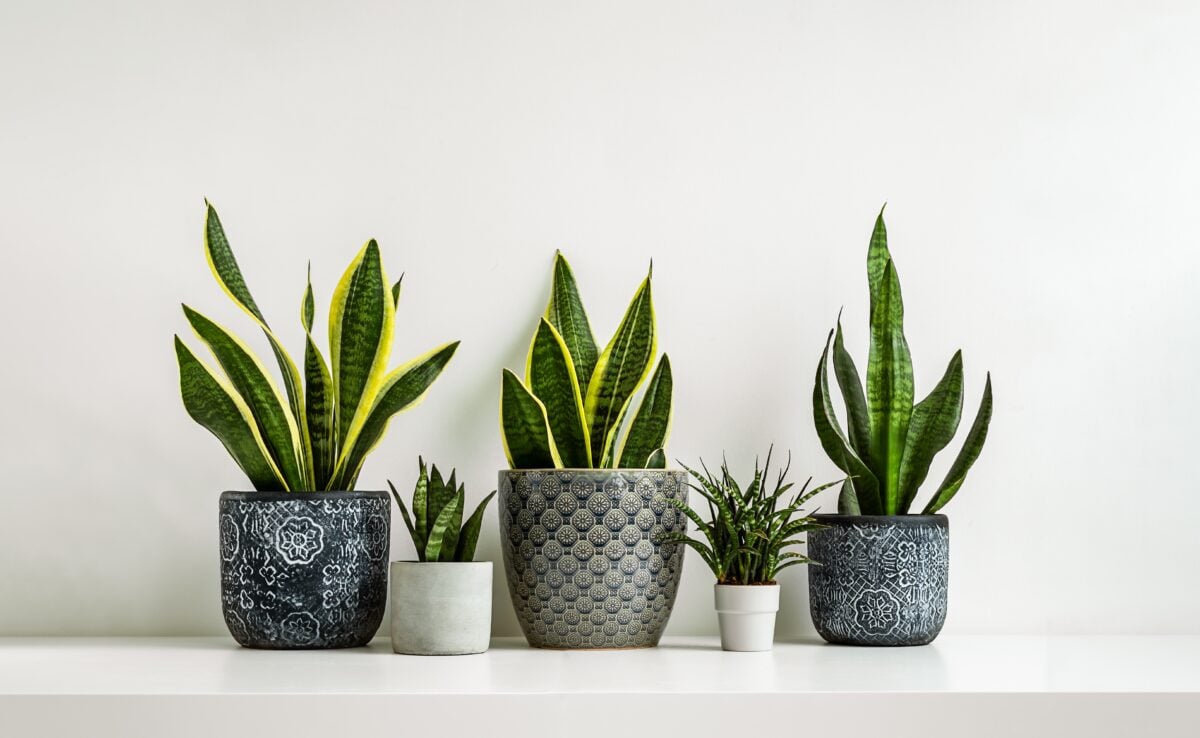
Snake plants are one of the easiest indoor plants to grow, but they’re also one of the most striking. With their tall, upright leaves and bold patterns, they bring a clean, structured look to a room without needing much from you.
And once your new snake plant has settled in, it’s super easy to keep it going and looking gorgeous! Here are my top growing tips to get you going.
What Is a Snake Plant, Really?
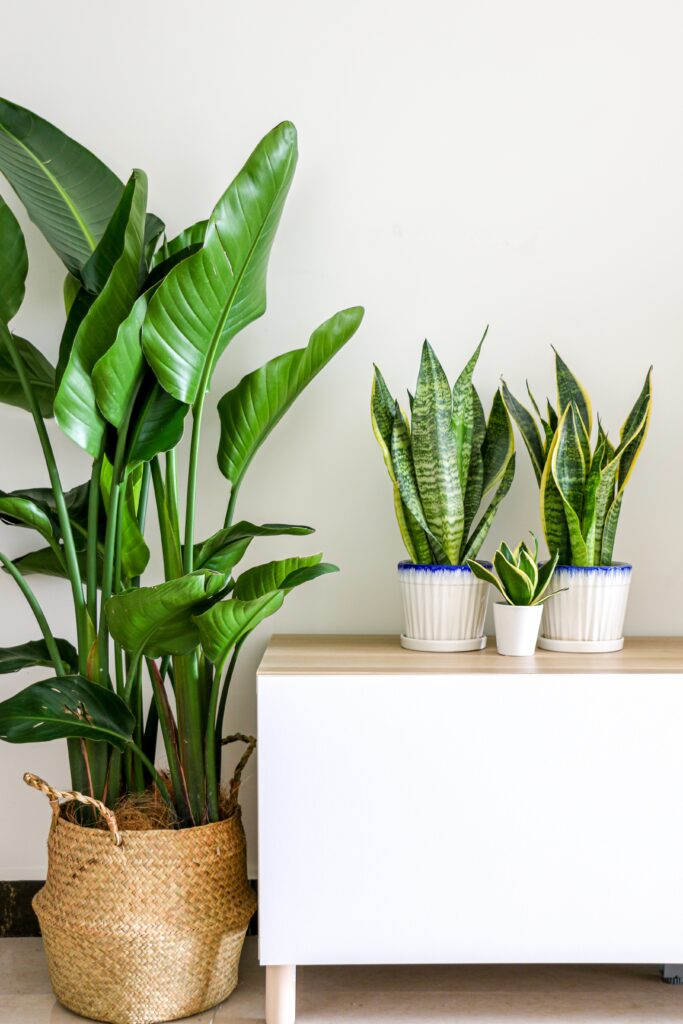
Snake plants (often still called Sansevieria, though now grouped under Dracaena) grow upright with thick, fibrous leaves that store water. That’s why they cope so well with being left alone.
They’re native to dry regions of West Africa, where conditions swing between wet and very dry. So instead of needing constant care, they’re built to wait things out.
Types of Snake Plants
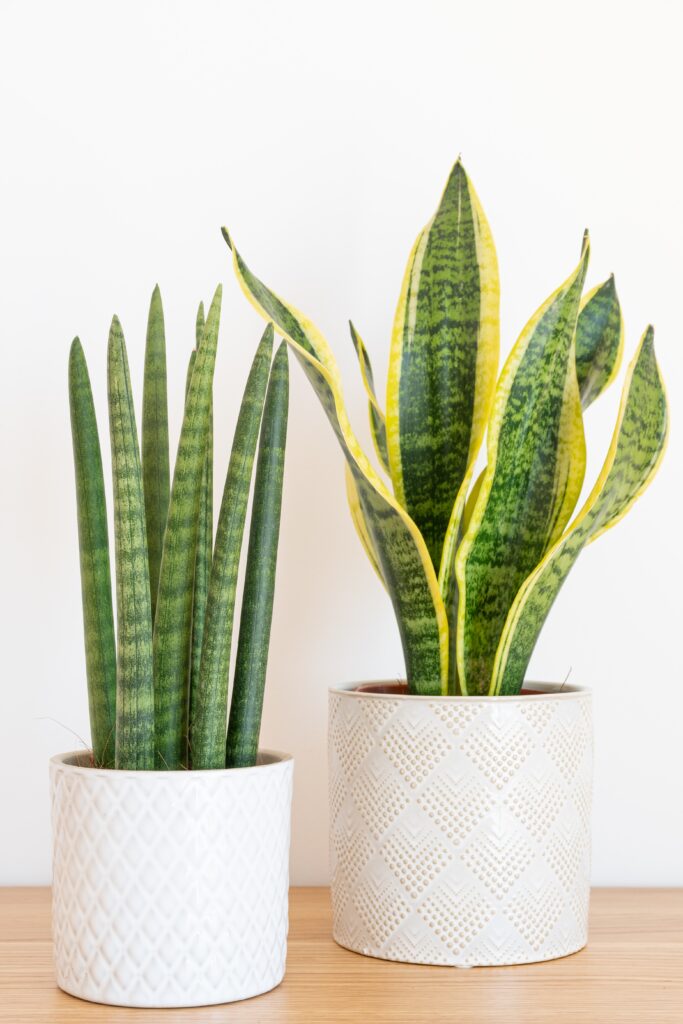
There are many amazing types of snake plants available. Here are some of my favorites.
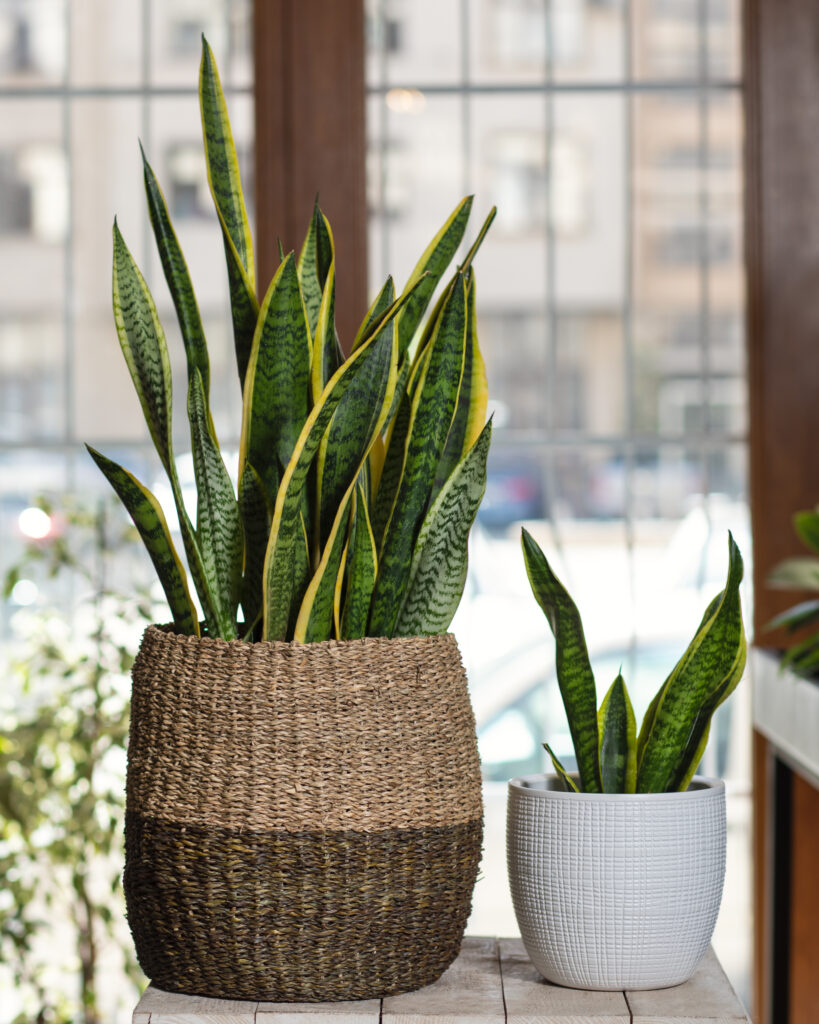
Tall, straight varieties with yellow edges
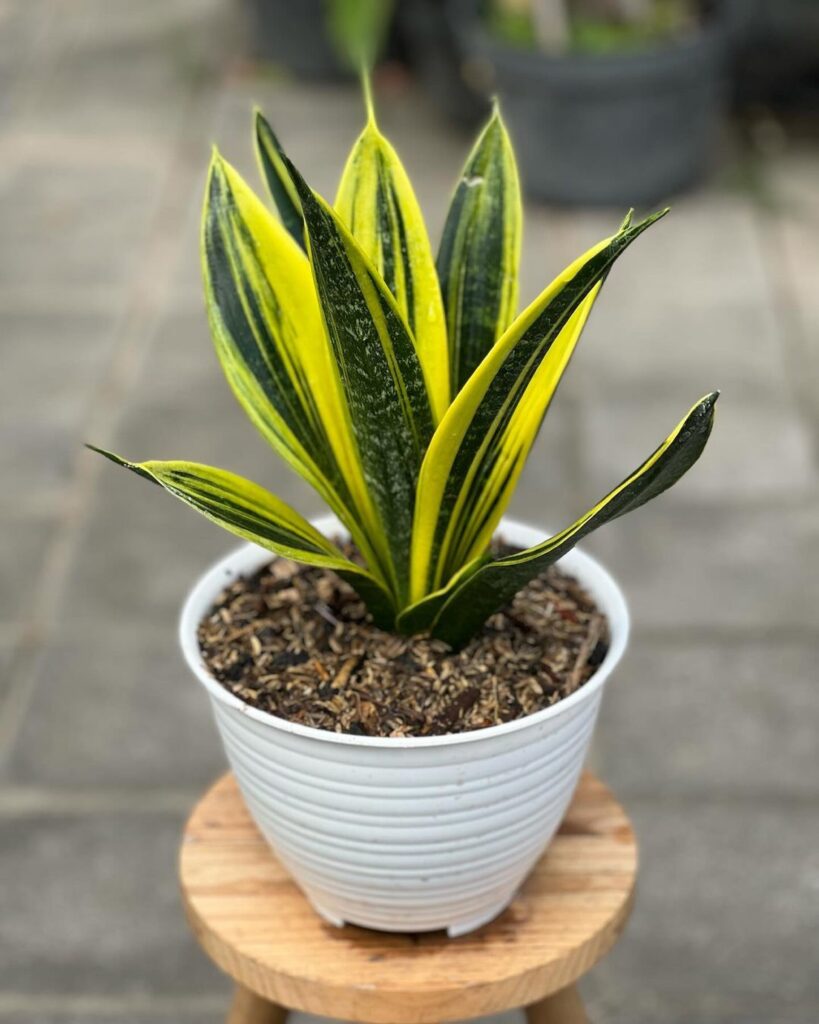
These are the classic upright ones most people picture.
- Dracaena (Sansevieria) trifasciata ‘Laurentii’ – the most common, green center with yellow margins
- ‘Bantel’s Sensation’ – tall, slimmer leaves with white striping
- ‘Gold Flame’ – newer variety with stronger yellow tones through the leaf
These tend to grow tall and architectural, great for corners or beside furniture.
Darker green types with banding
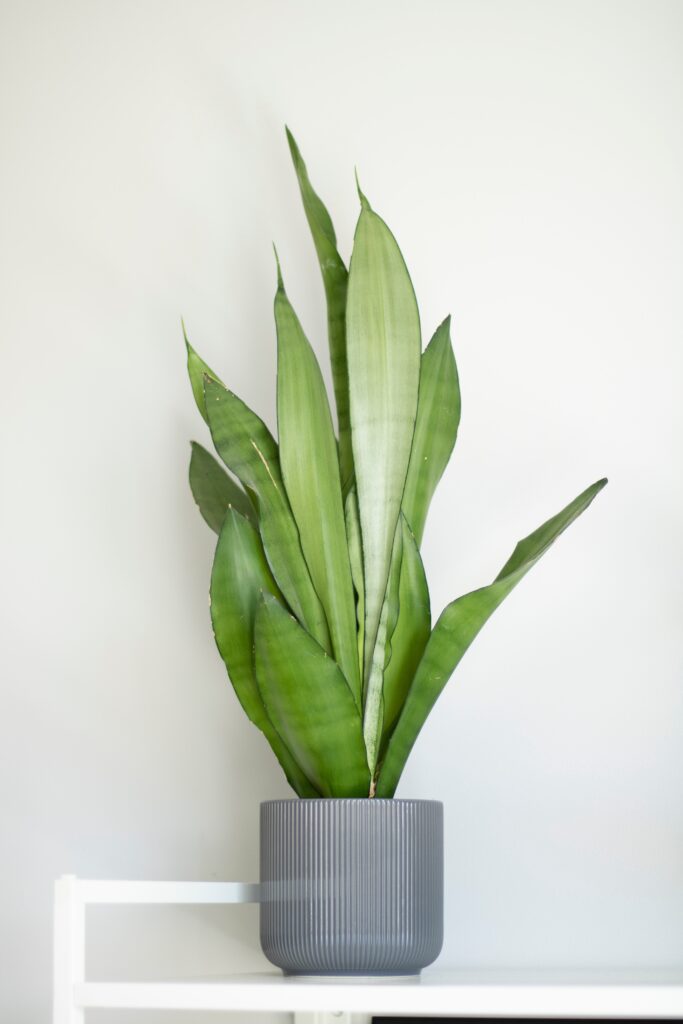
These snake plants offer a more subtle, slightly moodier look.
- Dracaena trifasciata ‘Zeylanica’ – deep green with silvery horizontal banding
- ‘Black Coral’ – darker overall, with softer patterning
- ‘Moonshine’ (a bit different) – pale silvery green, almost matte
These feel a bit more modern and less “variegated.”
Shorter, compact ones
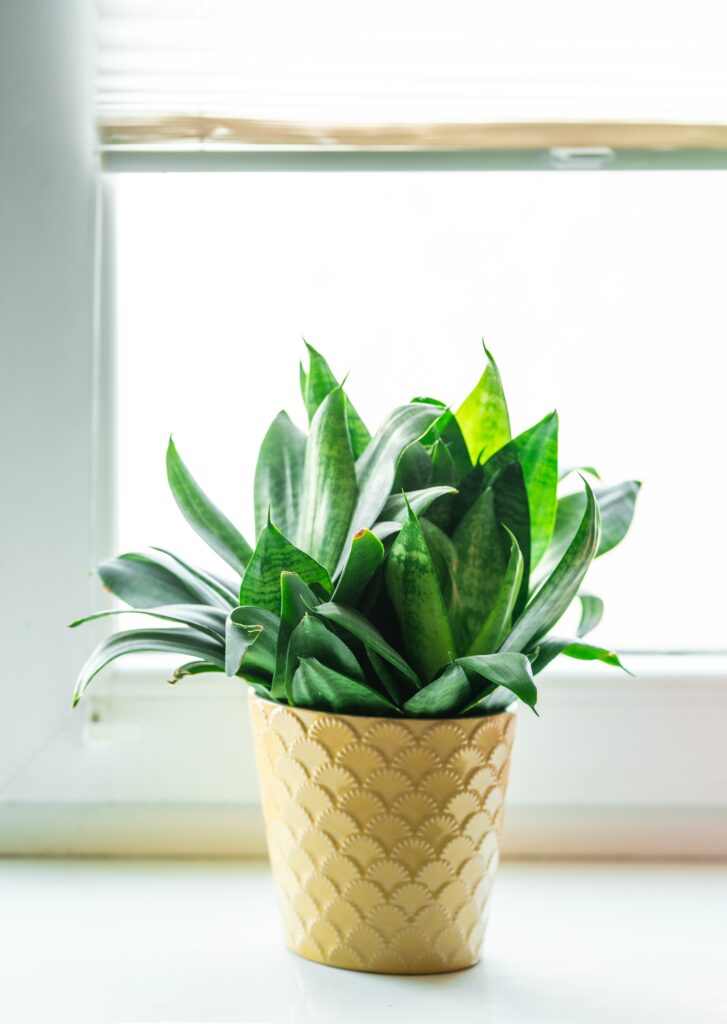
These are great for shelves, desks, and smaller spaces.
- Dracaena trifasciata ‘Hahnii’ (Bird’s Nest Snake Plant) – classic compact rosette
- ‘Golden Hahnii’ – same shape, with yellow variegation
- ‘Black Hahnii’ – darker, tighter growth
These stay low and fill out rather than growing tall.
Light: What Snake Plants Tolerate vs What They Prefer
Snake plants get labeled as “low light plants,” and they do tolerate it. But there’s a difference between surviving and actually growing.
In low light, they tend to sit still. The leaves stay the same size, and you won’t see much change. Move one into a brighter spot (still out of direct sun) and you’ll notice:
- new leaves coming through more regularly
- stronger, more upright growth
- better color, especially in variegated types
If a plant hasn’t done anything for months, light is usually the reason.
Watering Snake Plants: Where Most Issues Start
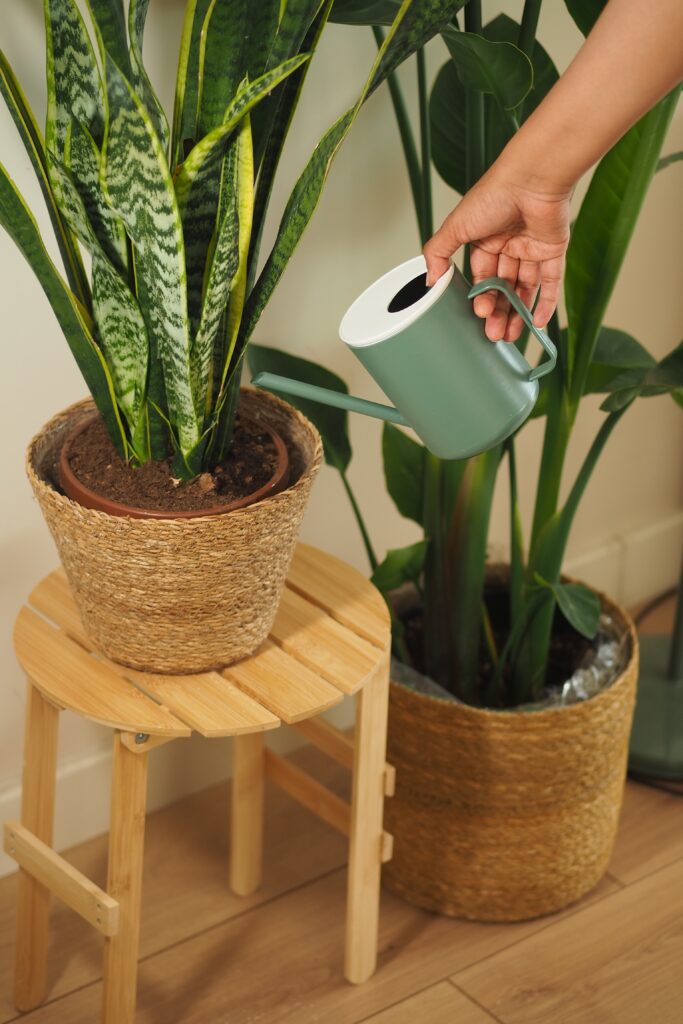
This is the part that catches people out. Because they’re sold as “easy,” they often get watered on a schedule instead of when they actually need it.
Snake plants don’t use water quickly. Their roots sit in soil that stays damp longer than you think, especially in cooler weather or shaded spots. Instead of sticking to a routine, check the soil properly. Not just the top… Push your finger in or lift the pot if you can. If there’s still moisture there, leave it.
When you do water, give it a proper soak and let the excess drain away. Then leave it alone again. A plant that’s watered too often will usually show it through soft, collapsing leaves. Once that starts, it’s much harder to turn around than a plant that’s been left dry for too long.
Soil and Pots: Why Drainage Matters
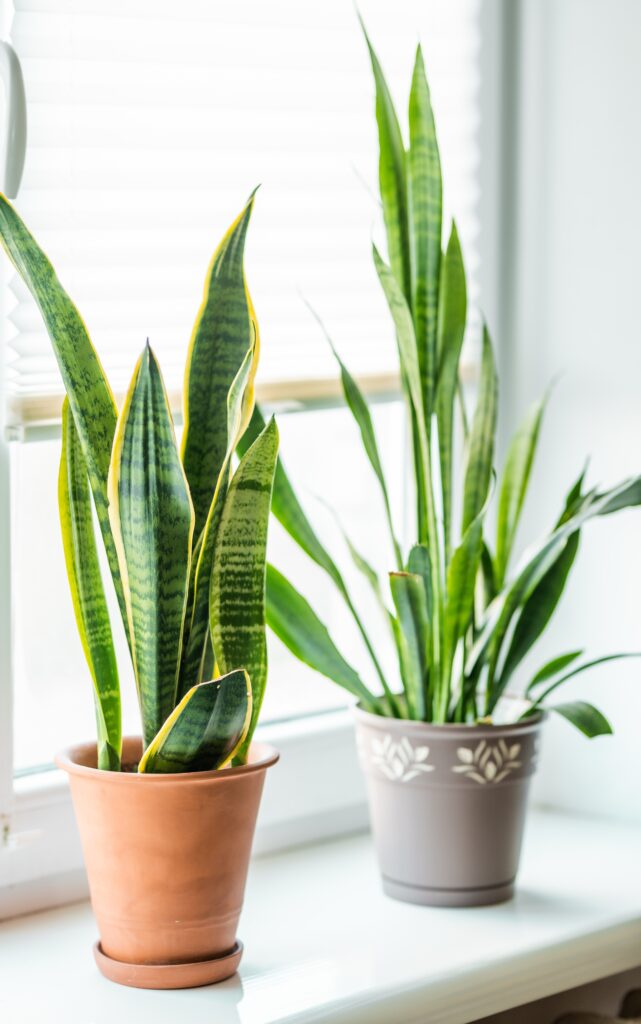
The roots need air as much as they need water. Dense, heavy soil holds onto moisture and doesn’t let things dry out properly, which is where rot starts creeping in.
A looser mix works better. Something that breaks up easily in your hands rather than clumping together. You don’t need to overcomplicate it. Just avoid anything that stays wet for days.
And always use a pot that can drain. Even a tough plant like this won’t sit in water for long without reacting to it.
Snake Plant Growth Habits (and Why They Sometimes Lean)
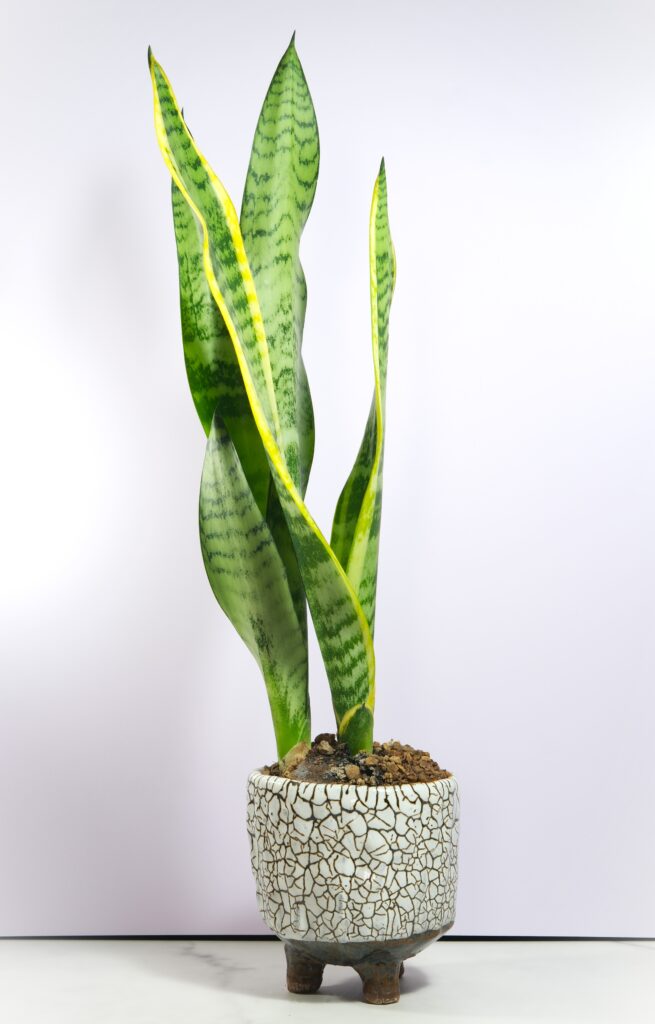
Snake plants grow from a central base, pushing up new leaves over time. They don’t branch out like trailing plants, so everything comes from below.
If they’re leaning or growing unevenly, it’s usually because they’re reaching toward light. Rotating the pot every so often helps keep things upright. Larger plants can also get top-heavy, especially if they’ve grown quickly in better light. In that case, a heavier pot or a bit more support at the base can help.
Cleaning Your Snake Plant’s Leaves
You don’t need to fuss too much over them, but they do benefit from the occasional clean. Dust settles along the length of the leaves, especially indoors. A quick wipe with a damp cloth every now and then keeps them looking better and lets them take in more light.
Feeding Snake Plants (or Not)
Snake plants grow without fertilizer, just more slowly. If you want to encourage growth, a light feed during warmer months is enough. Not every week, not even every fortnight. Just occasionally.
Too much fertilizer tends to cause more problems than it solves, especially in plants that aren’t actively growing.
When to Repot Your Snake Plants
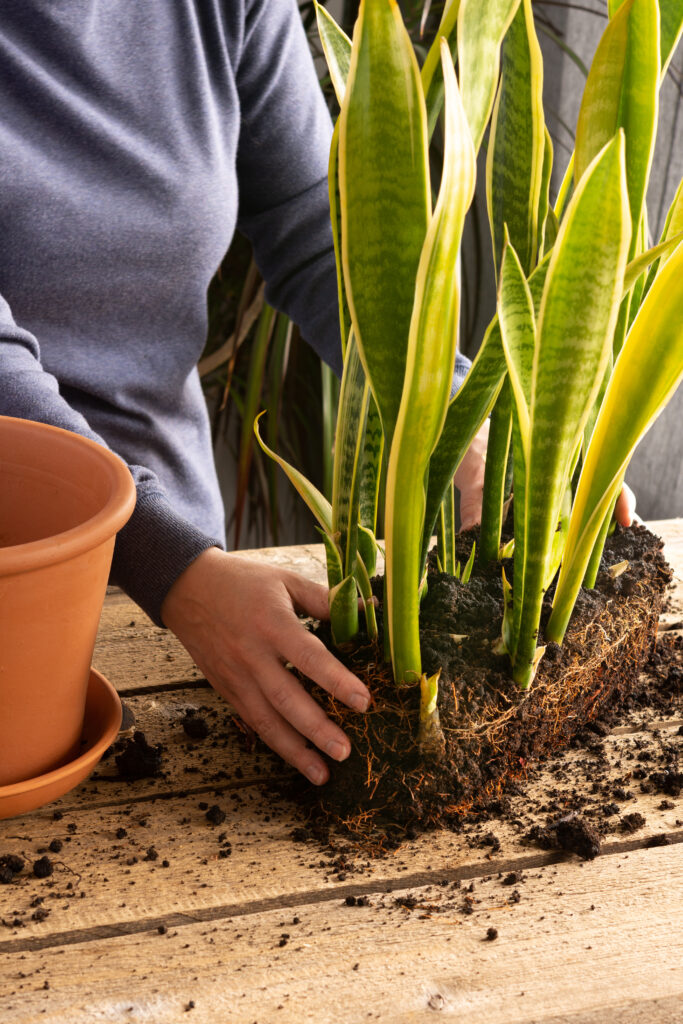
Snake plants don’t need frequent repotting. They tend to grow in tight clusters, and you’ll often see them pushing against the sides of the pot before they actually need more space.
Signs it’s time:
- roots coming through the bottom
- the plant lifting slightly out of the pot
- soil drying out much faster than it used to
When you do repot, go up one size. That’s all they need.
Common Issues (and What They’re Telling You)
If something looks off, the plant is usually reacting to one of a few things:
- Soft, yellowing leaves → too much water
- Wrinkled leaves → it’s been dry for too long
- Leaning growth → reaching for light
- Brown tips → often just inconsistent watering or dry air
They’re fairly straightforward once you know what to look for.
Are Snake Plants Safe for Pets?
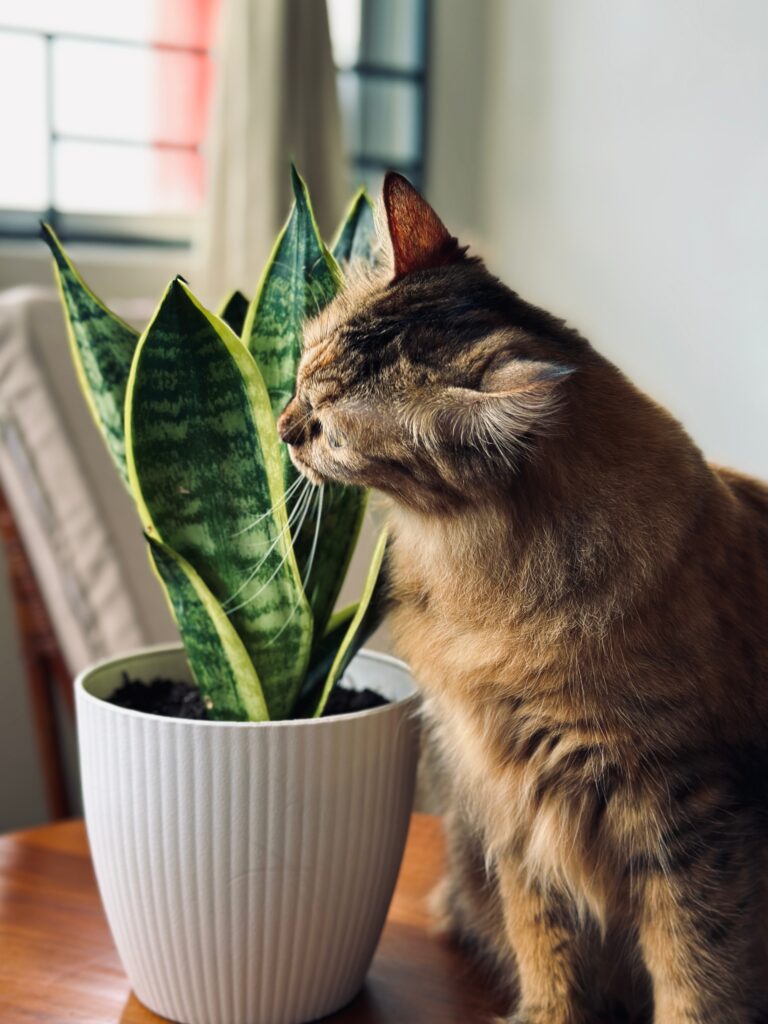
They’re not. If chewed, they can cause irritation in cats and dogs.
If you have pets that love to chew plants, it’s better to keep them out of reach or choose something non-toxic.
Snake Plant Propagation
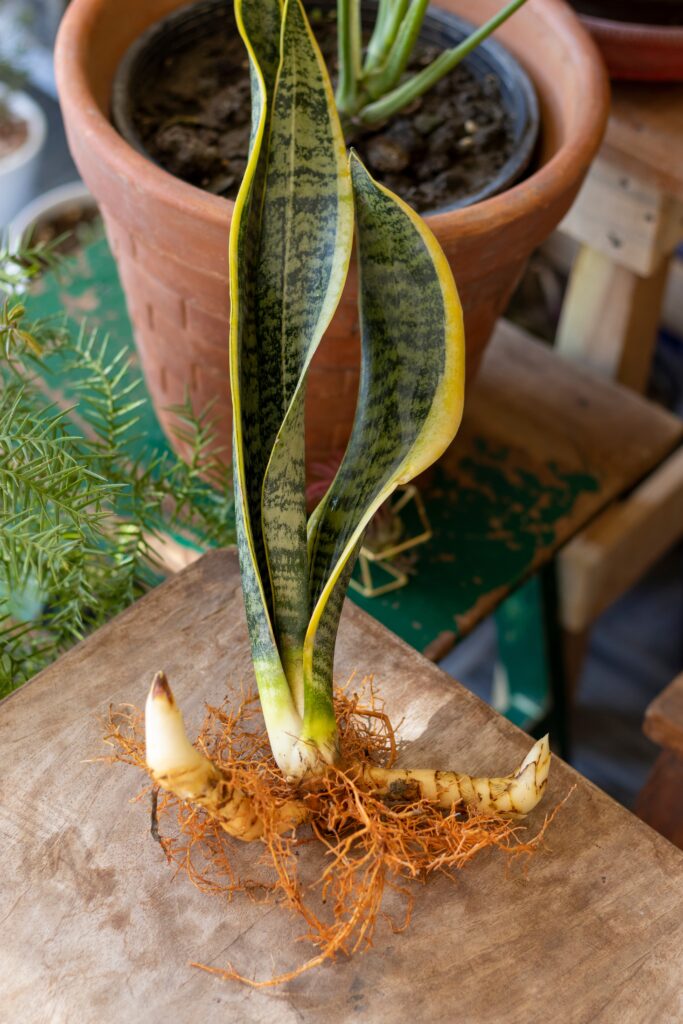
Snake plants are slower to propagate than something like pothos, but they’re still easy enough, even for beginners. My favorite method is division, but I’ll also explain leaf cuttings below.
Propagation by Division
This is the easiest way, especially if your plant is mature.
What to do:
- Take the plant out of the pot
- Look for natural clumps (they grow in sections from rhizomes under the soil)
- Gently pull or cut those sections apart
- Replant each section in its own pot
Each section already has roots, so it keeps growing almost immediately.
Propagation by Leaf cuttings
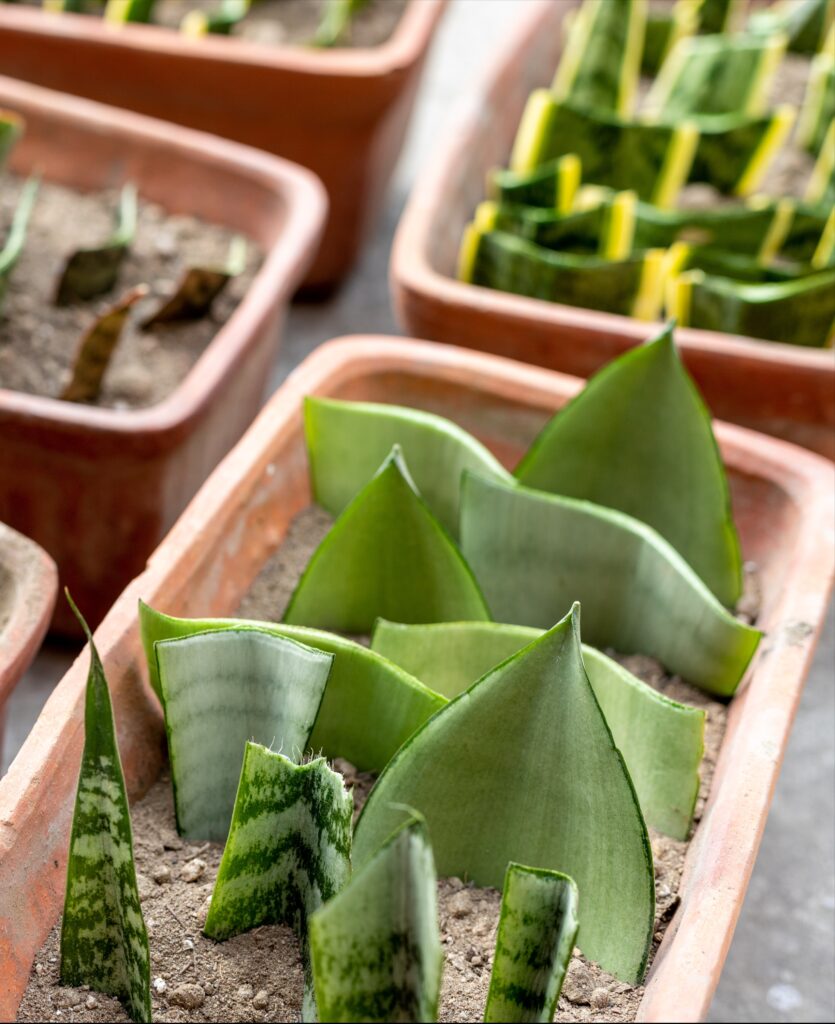
This also works, just slower than division.
What to Do:
- Cut a healthy leaf near the base
- Cut it into sections (10–15 cm pieces)
- Let the cut ends dry for a day or two (important – it prevents rot)
- Place them:
- in water (bottom end down), or
- straight into soil
Roots form first, then small pups grow from the base. This can take weeks to months. It’s not quick, but it’s reliable.
Propagation and Variegation
This is the interesting bit! Variegation (those yellow edges) isn’t evenly spread through the whole leaf. It’s actually a genetic mutation in certain layers of the plant tissue.
When you take a leaf cutting, you’re not copying the whole plant structure. You’re basically growing a new plant from a small piece of tissue. That new plant often reverts to plain green!
So:
- Division = true copy (keeps variegation)
- Leaf cuttings = often revert to green
That’s why people use division if they want to keep the same look as their mother plant.
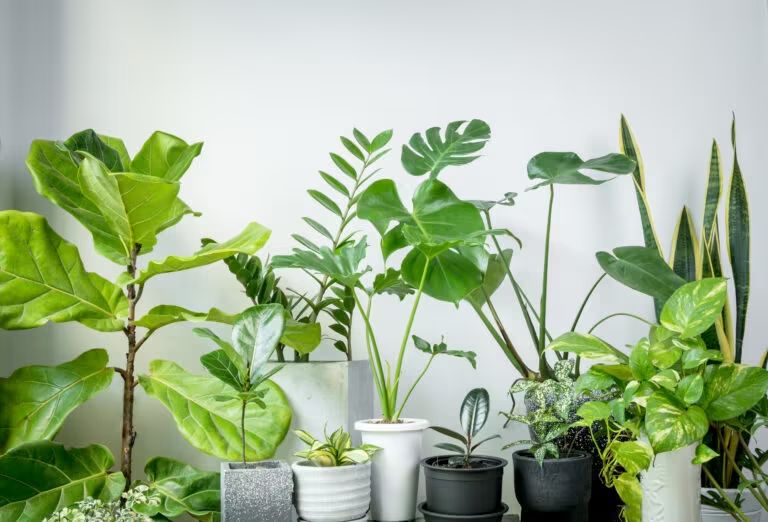
Snake Plant Photos and Inspiration
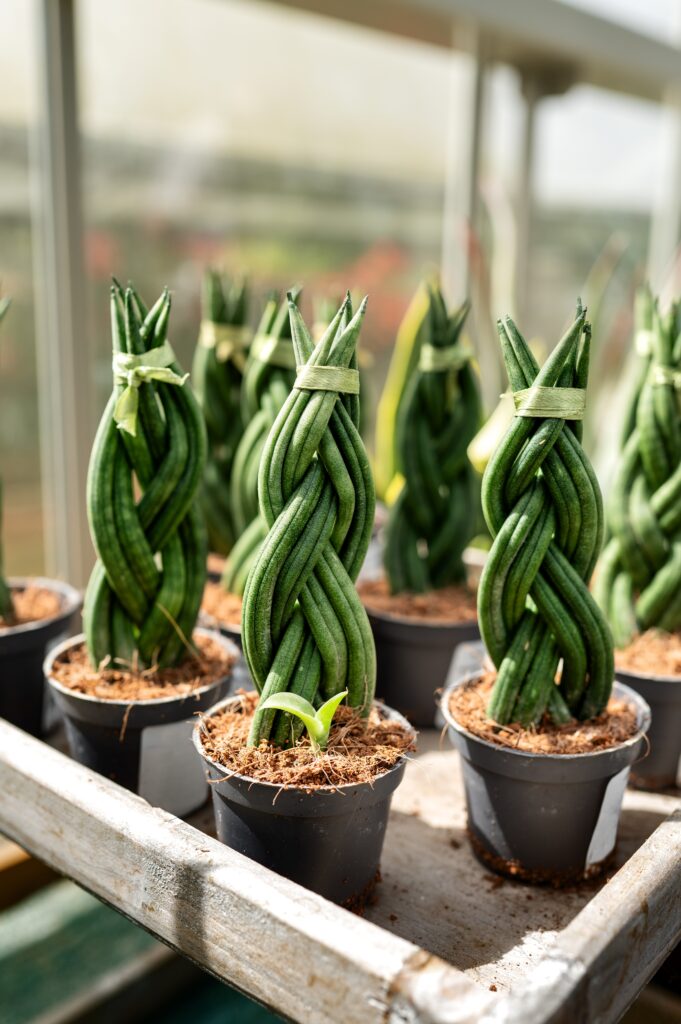
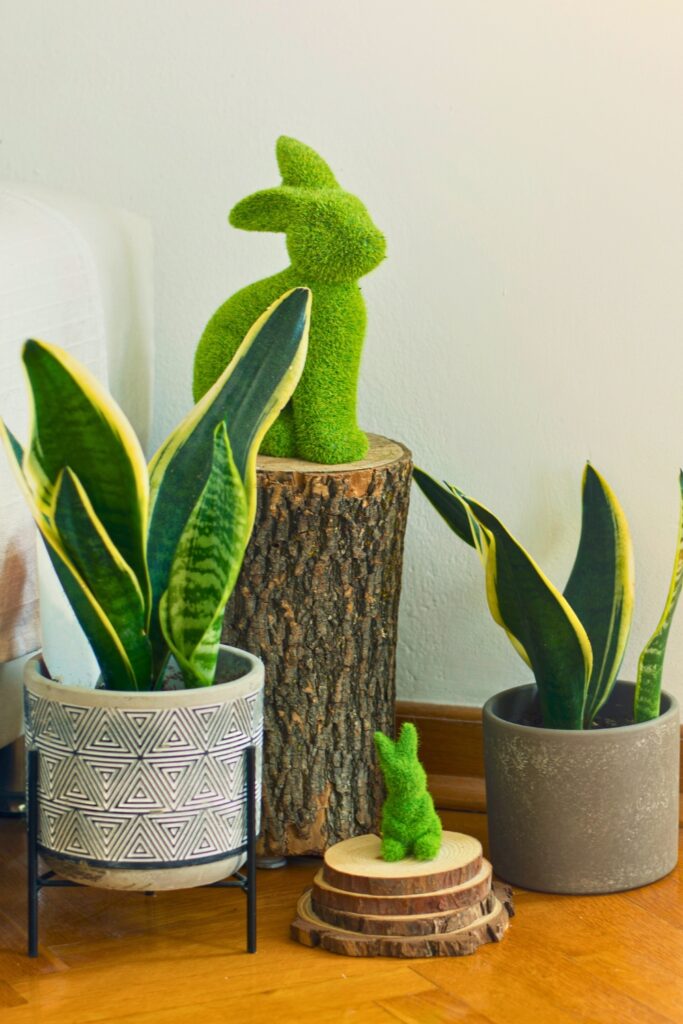
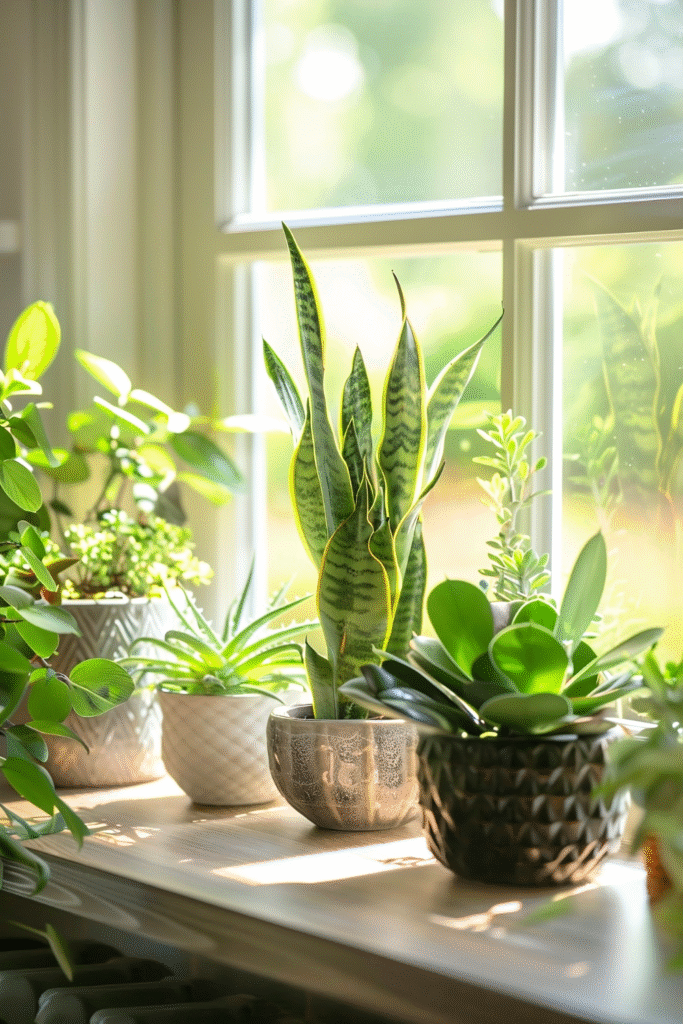
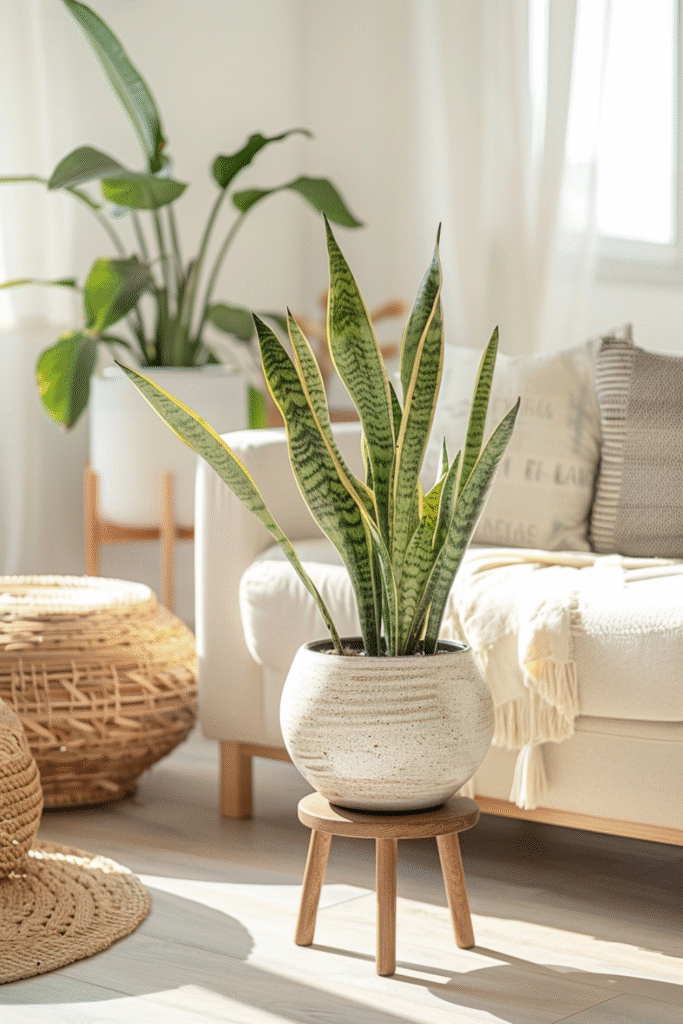


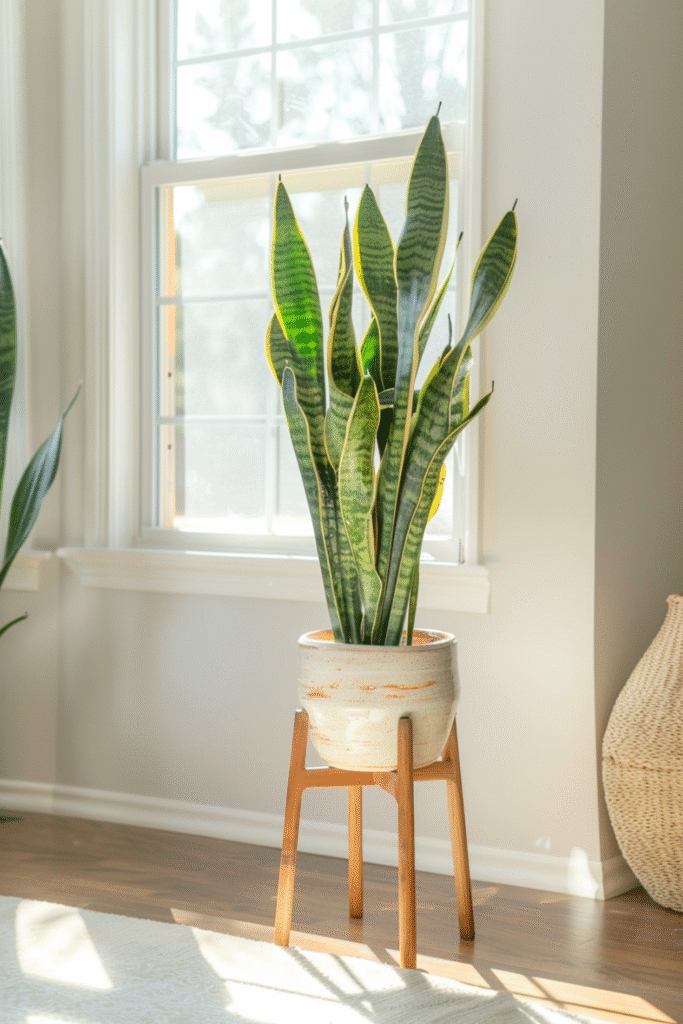
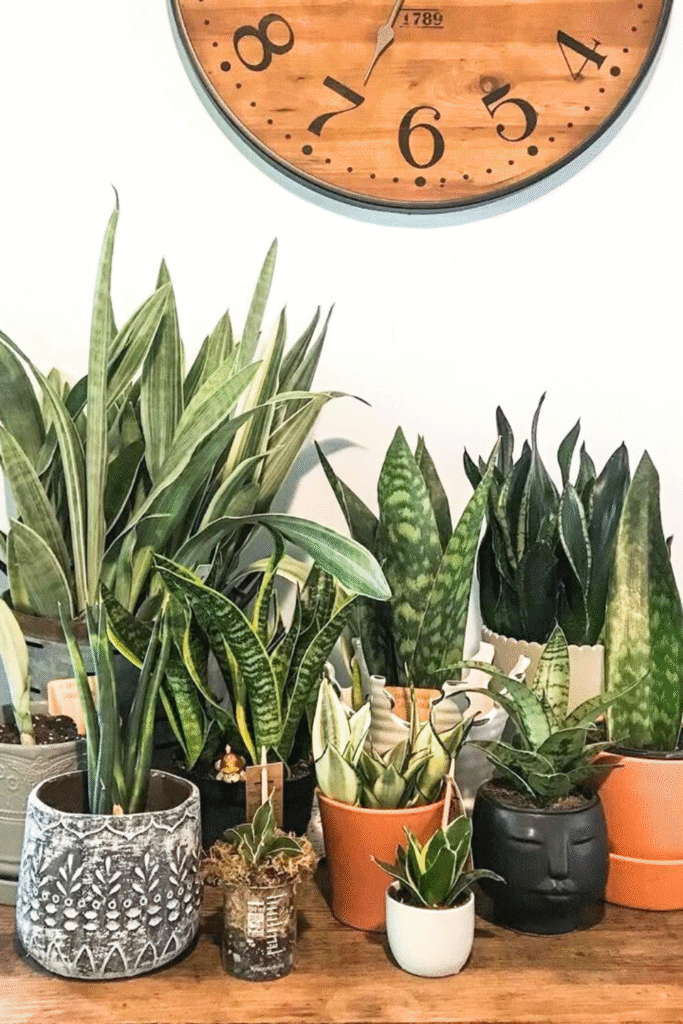

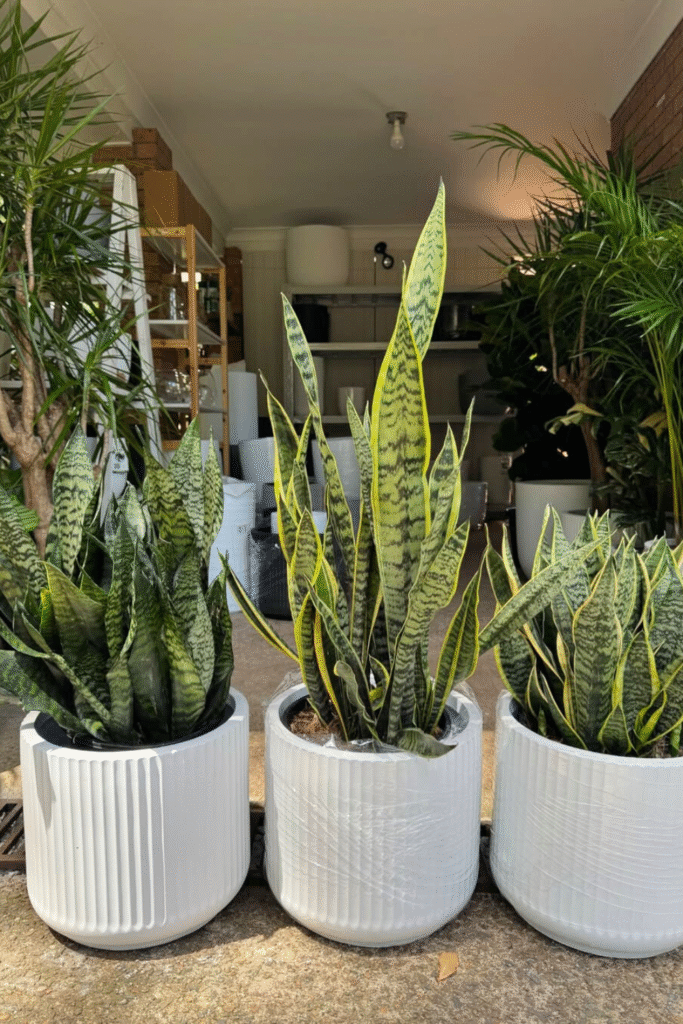
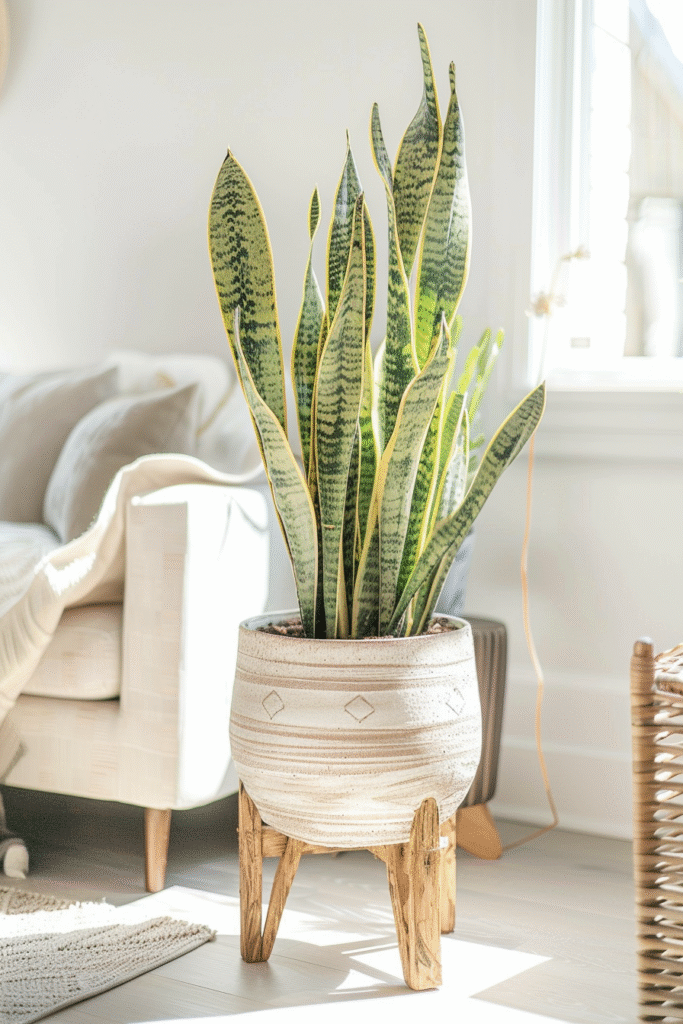
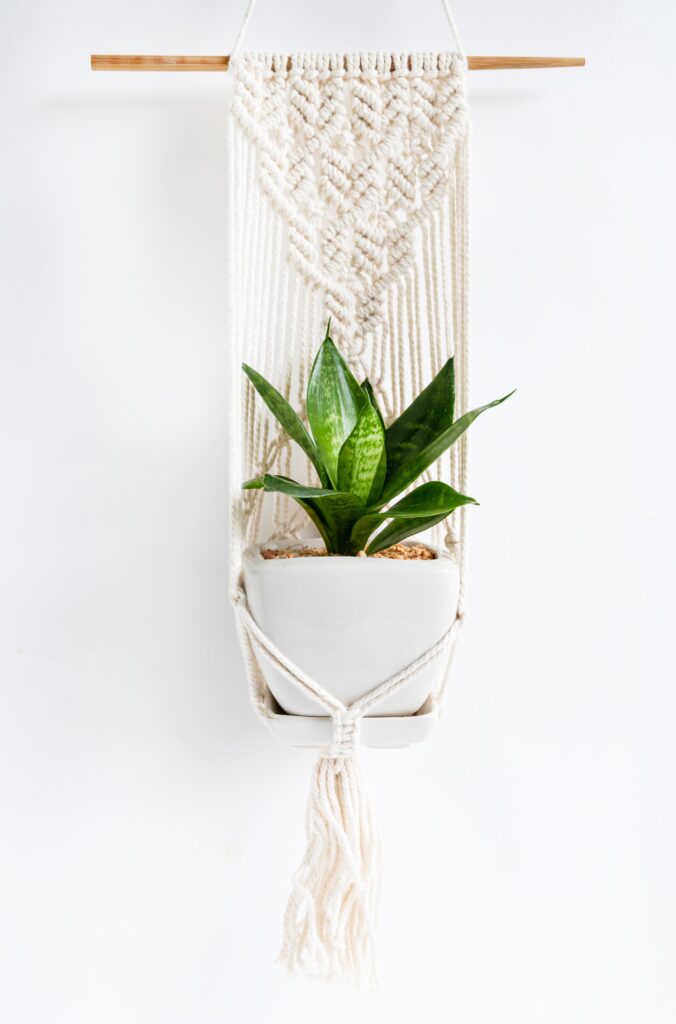
Snake plants don’t need perfect conditions, and they don’t expect constant attention. They just need the basics: light, drainage, and a bit of restraint with watering.
Once those are right, they tend to settle in and keep going without much effort on your part.