Why Are My House plant Leaves Turning Brown? (And How to Fix It)
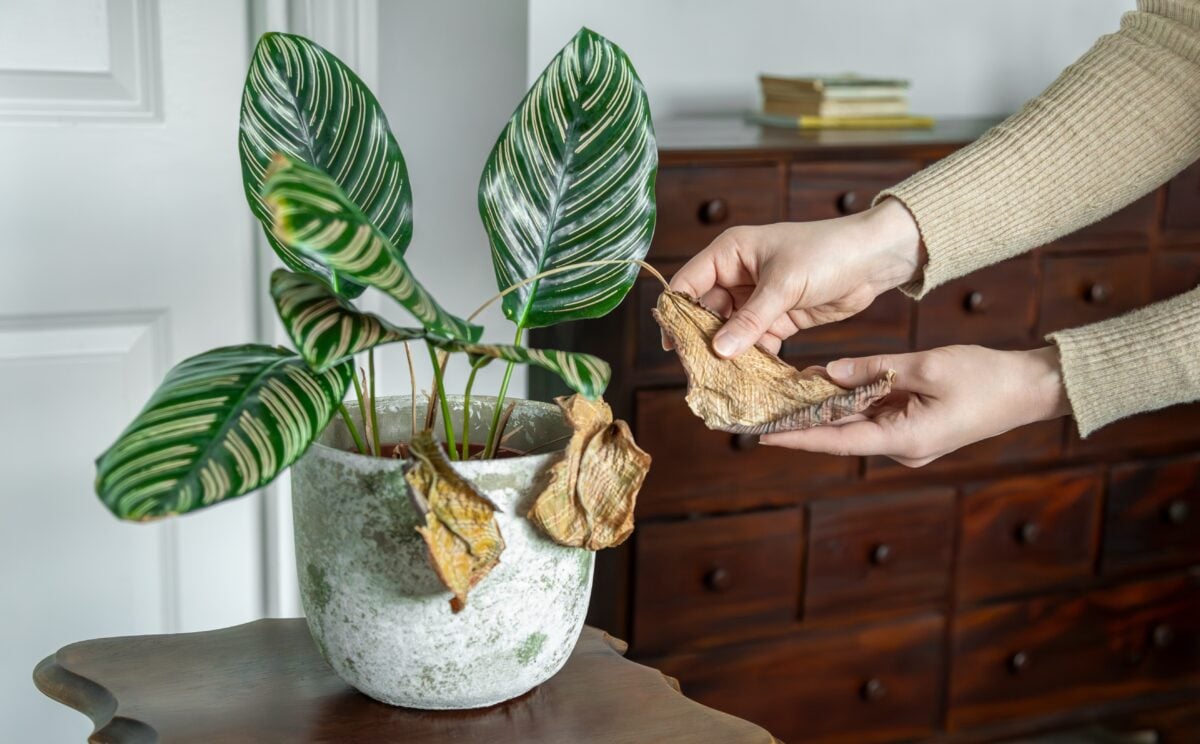
Brown leaves on house plants can be frustrating. One day your plant looks healthy, and the next you notice crispy edges, brown tips, or whole leaves turning dry and brittle.
The good news is that brown leaves are usually a simple signal that something in the plant’s environment isn’t quite right. Once you figure out the cause, it’s often easy to fix.
Here are the most common reasons house plant leaves turn brown and what you can do to help your plants recover.
1. Underwatering

One of the most common causes of brown leaves on house plants is simply not enough water.
When soil stays dry for too long, plants can’t move enough moisture through their leaves. The leaf edges begin to dry out first, which is why you often see brown, crispy tips.
Signs this may be the problem
- Dry soil pulling away from the sides of the pot
- Leaves feel brittle or papery
- Brown edges starting at the leaf tips
How to fix it
Give the plant a deep watering until water drains from the bottom of the pot.
Most house plants do best when watered once the top inch or two of soil feels dry rather than waiting until the soil becomes completely dry. If you struggle to re-wet the soil, it may be time to repot, or soak the whole pot in a bucket of water until it’s wet again.
2. Low Humidity

Many popular house plants come from tropical climates where the air is naturally humid. When they’re grown indoors, especially during winter or in air-conditioned homes, the air can be much drier than they prefer.
Dry air often causes brown tips and edges on leaves.
Plants that show this quickly
- Calathea
- Ferns
- Prayer plants
- Peace lilies
How to fix it
You can raise humidity around your house plants by:
- grouping plants together
- placing plants in kitchens or bathrooms
- using a small humidifier nearby
Even moving the plant away from heaters or air vents can make a big difference.
3. Too Much Fertilizer

While fertilizer helps plants grow, too much can cause salt buildup in the soil. These salts can damage roots and cause the edges of leaves to turn brown.
Signs this may be happening
- brown leaf tips appearing shortly after feeding
- white crust forming on the soil surface
- slowed plant growth
How to fix it
Flush the soil with water by watering thoroughly several times so excess salts wash out through the drainage holes.
After that, reduce how often you fertilize your house plants.
4. Tap Water Minerals

Some house plants are sensitive to minerals commonly found in tap water, especially fluoride or chlorine. Over time these minerals can build up in the soil and lead to brown leaf edges.
Plants that are sensitive to tap water
- spider plants
- dracaena
- calathea
- prayer plants
How to fix it
Try watering your house plants with:
- filtered water
- rainwater
- distilled water
Many plant owners notice brown tips improve once they switch water sources.
5. Too Much Direct Sun

While many house plants love bright light, strong direct sun can sometimes scorch leaves. This is especially true for plants that naturally grow under forest canopies.
Sun damage can cause brown patches or dry spots on leaves.
Signs of sunburn
- brown spots on the sun-facing side of leaves
- faded or bleached leaf areas
- damage appearing soon after moving a plant to a brighter location
How to fix it
Move the plant slightly farther from the window or place it where it receives bright indirect light instead of direct sun.
Most house plants prefer bright but filtered light.
6. Temperature Stress

House plants prefer stable indoor temperatures. Sudden changes can stress plants and cause leaf damage.
Brown leaf edges sometimes appear when plants are exposed to:
- cold drafts from windows
- hot air from heaters
- air conditioning vents
How to fix it
Try to keep your house plants in areas where temperatures stay relatively stable.
Most indoor plants grow best between 65–80°F (18–27°C).
7. Natural Leaf Aging
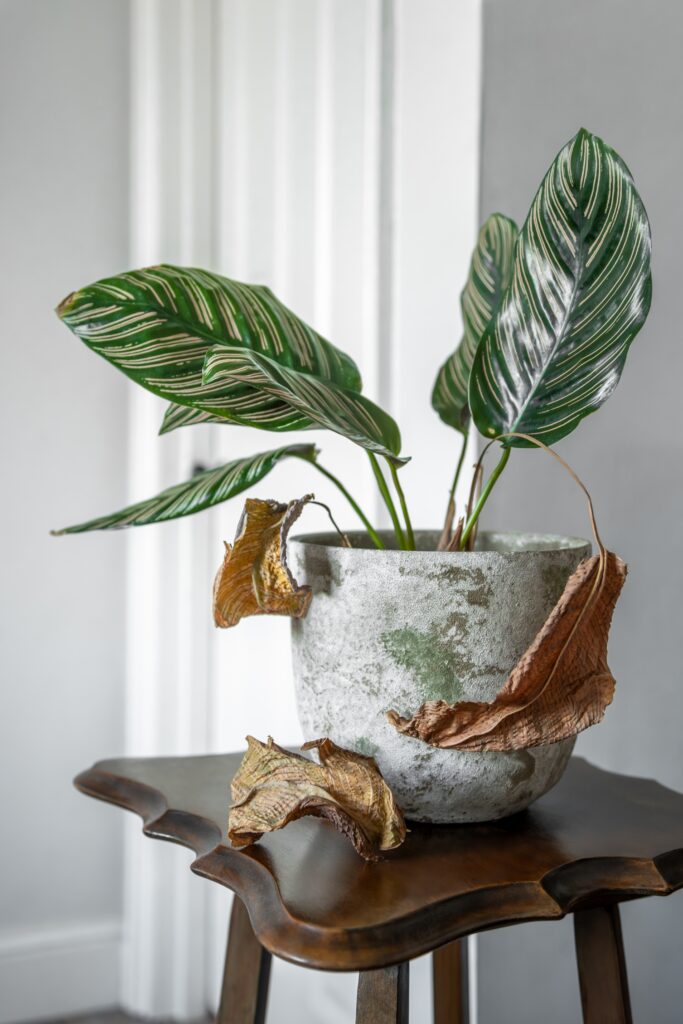
Sometimes brown leaves are simply part of a plant’s normal life cycle.
Older leaves naturally die off as the plant focuses energy on producing new growth.
Signs this is normal
- only older leaves are affected
- new leaves look healthy
- the rest of the plant appears strong
What to do
Trim away the brown leaf using clean scissors. This helps the plant direct its energy toward new growth.
How to Prevent Brown Leaves on House Plants
Keeping house plants healthy doesn’t require complicated routines. In most homes, plants do well when a few basic needs are met.
Healthy house plants usually have:
- well-draining soil
- moderate watering
- bright indirect light
- stable indoor temperatures
Checking these conditions regularly can prevent many common leaf problems.
A Quick Note About Damaged Leaves
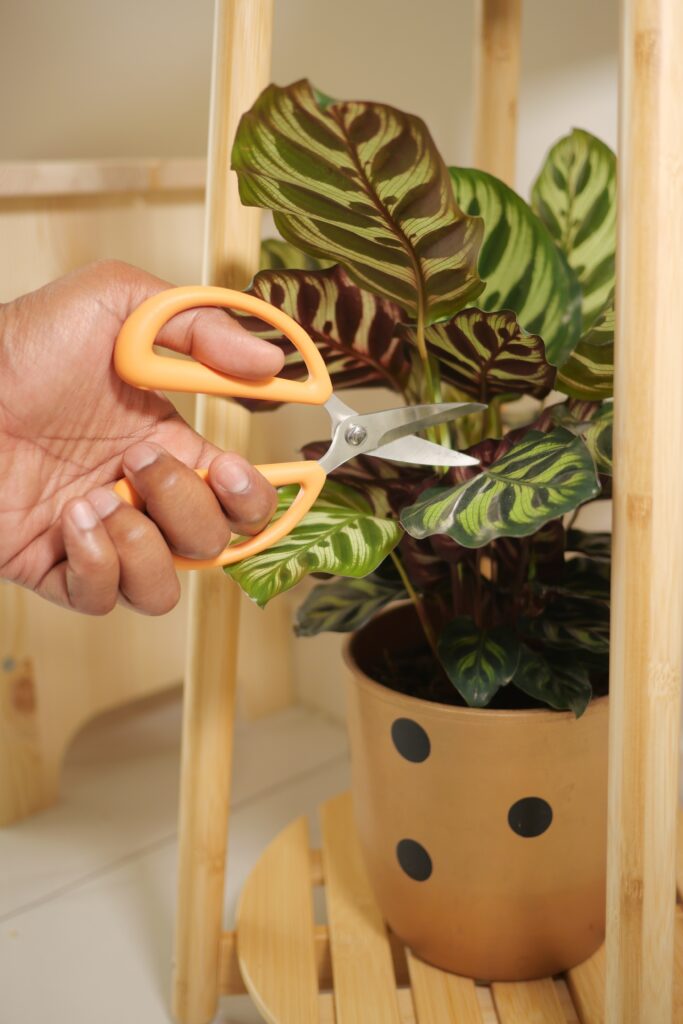
Once a leaf turns brown, that part of the leaf won’t turn green again. However, fixing the underlying problem will prevent new leaves from developing the same issue.
If the plant is otherwise healthy, simply trim off the damaged areas and keep caring for the plant normally.