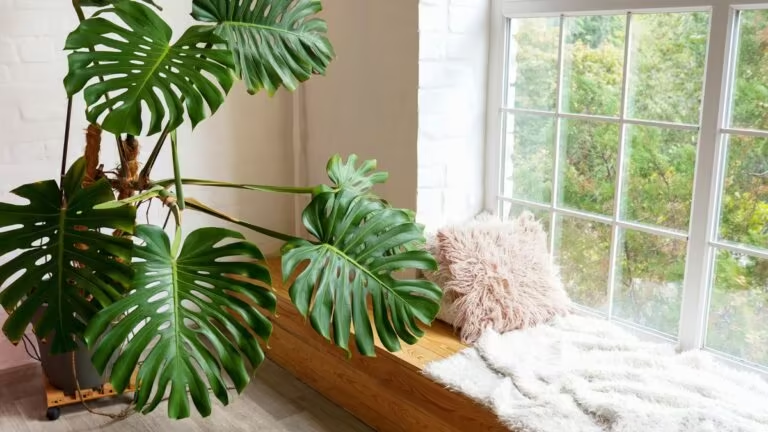
9 Indoor Mosquito Repelling Plants (And How to Use Them at Home)

Some plants are often mentioned as “mosquito repelling,” and while they’re not going to clear a whole room on their own, they can still play a small role in making a space feel less inviting to insects. Most of these plants work because of the natural oils in their leaves. When the leaves are brushed, trimmed, or warmed by sunlight, they release a scent that mosquitoes tend to avoid.
They also happen to be good-looking, easy to grow indoors, and useful in other ways, which makes them worth having around anyway.
Here are a few of the best indoor plants to try.
1. Lavender
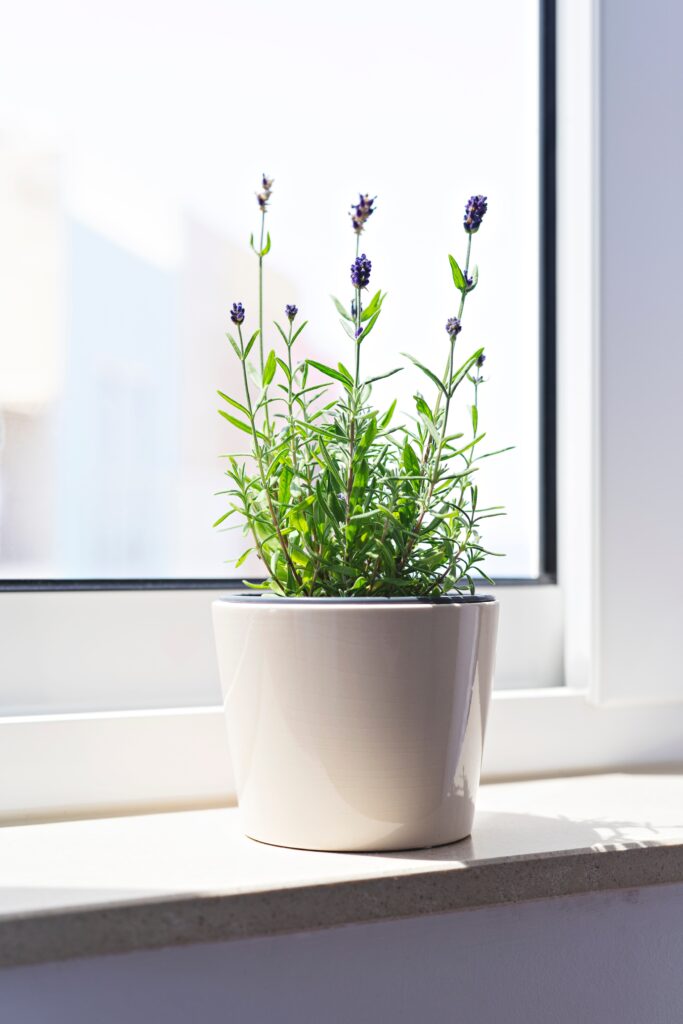
Lavender is one of the most well-known plants linked to mosquito control. Its strong, slightly floral scent comes from natural oils that insects tend to avoid.
Indoors, lavender needs a bright spot and good airflow. A sunny window works best, especially somewhere it can get a few hours of direct light.
If you brush the leaves or gently rub a flower spike, the scent becomes more noticeable, which is when it’s most effective.
2. Basil
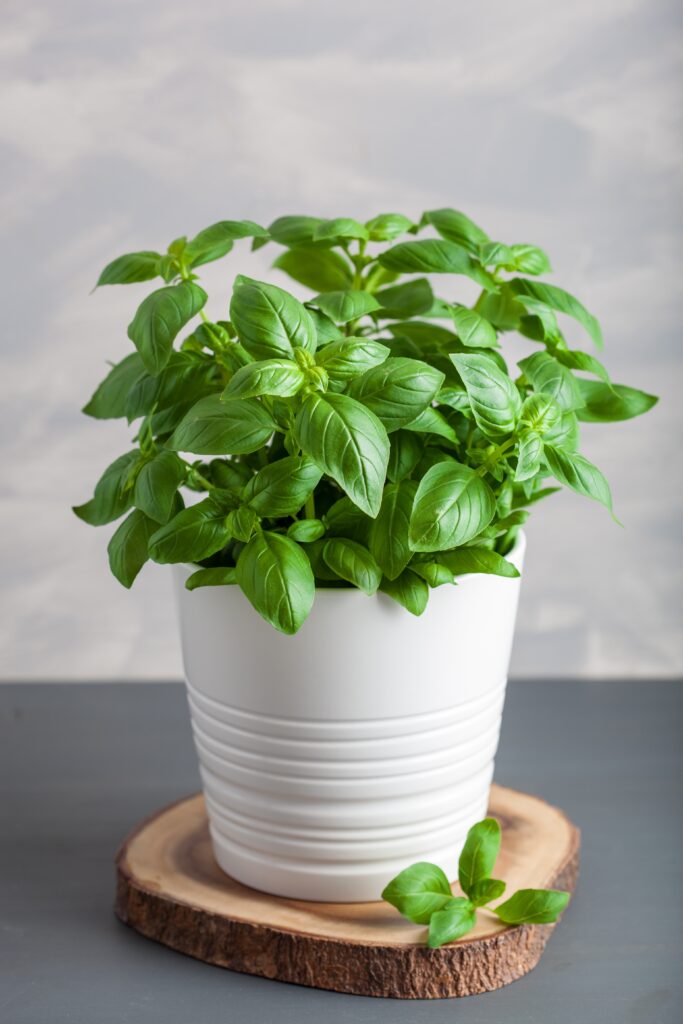
Basil isn’t just for cooking. It also gives off a scent that mosquitoes don’t seem to like, especially when the leaves are disturbed.
It grows well indoors in a bright position and appreciates regular watering. Keep it near a kitchen window or anywhere you can easily pinch off leaves, which also helps release its scent.
3. Mint
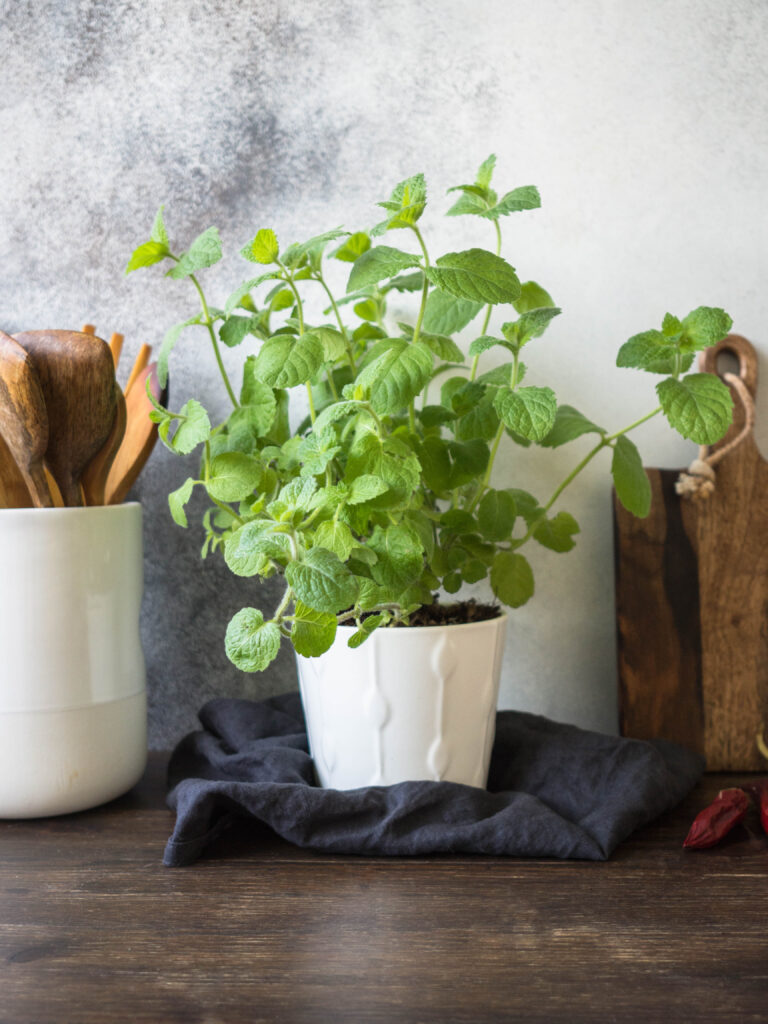
Mint is easy to grow and has a strong, fresh scent that can help deter mosquitoes in small areas.
It does well indoors as long as it gets decent light and regular watering. It’s also a good plant to keep close by, since brushing the leaves releases more of that scent.
Just keep it in its own pot, as it spreads quickly.
4. Rosemary
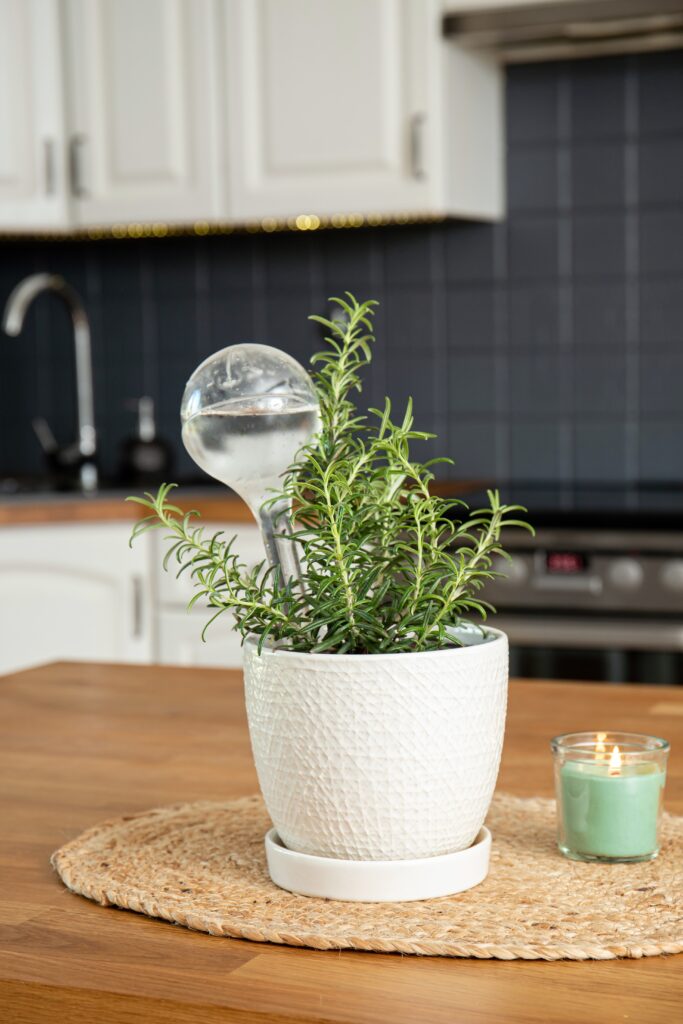
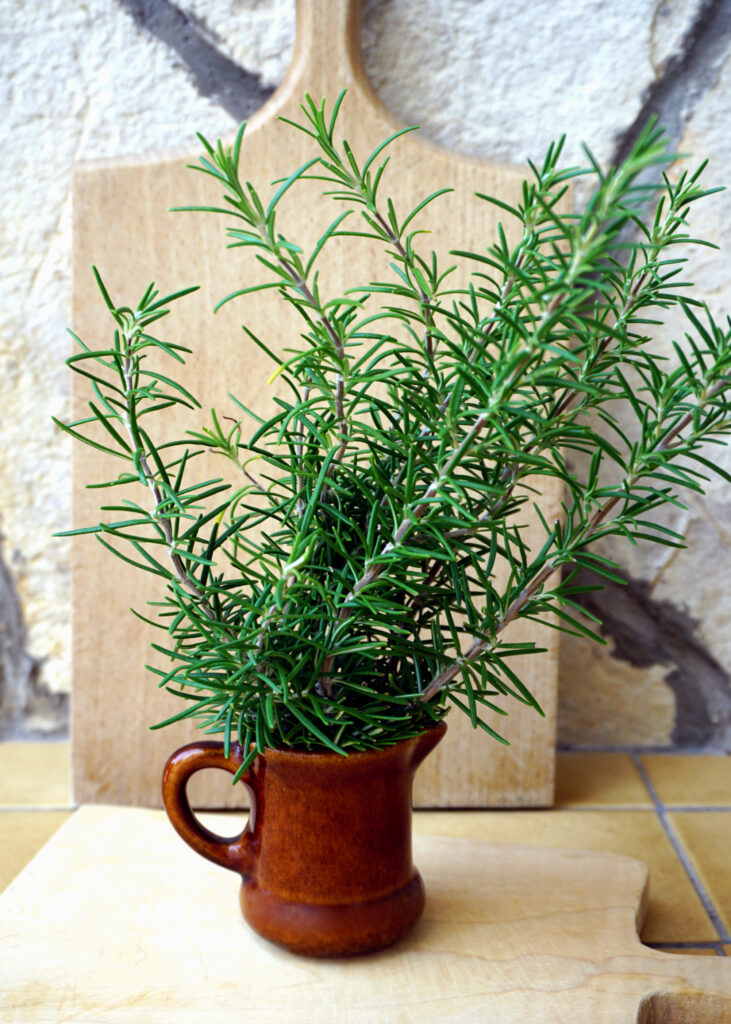
Rosemary has a woody, herbal scent that’s often mentioned in relation to mosquito control.
It prefers bright light and slightly drier conditions compared to softer herbs. A sunny windowsill works well.
Like basil and mint, it’s most useful when the leaves are handled or trimmed.
5. Lemon Balm
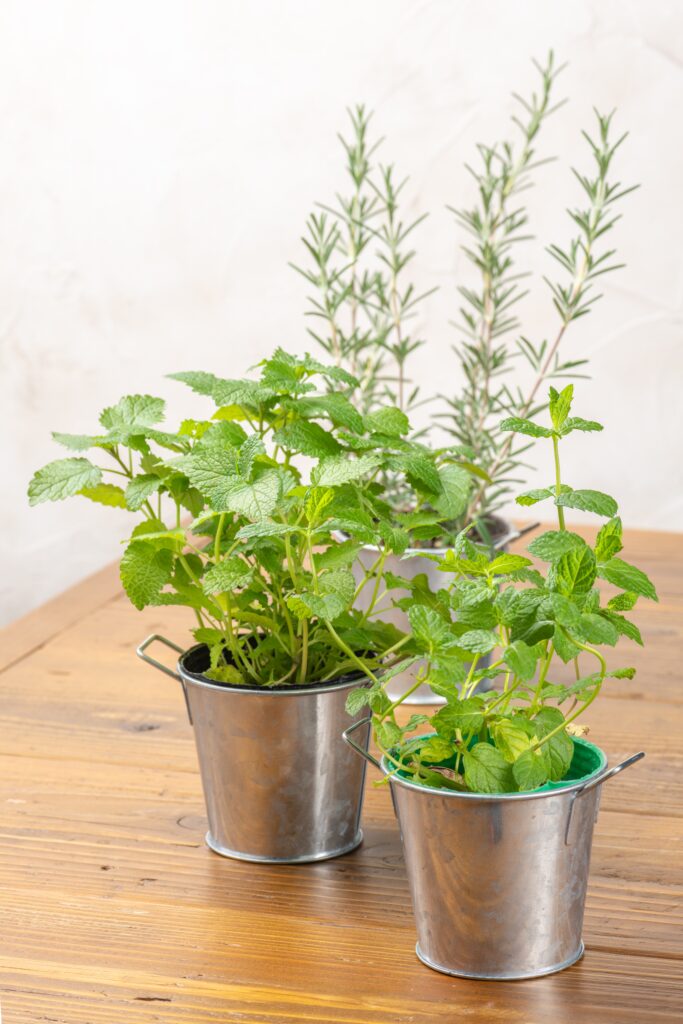
Lemon balm has a light citrus scent, which comes from compounds similar to citronella.
It grows easily indoors and produces soft, leafy growth that responds well to regular trimming. Each time you brush or cut it, it releases more of its scent.
6. Citronella Geranium
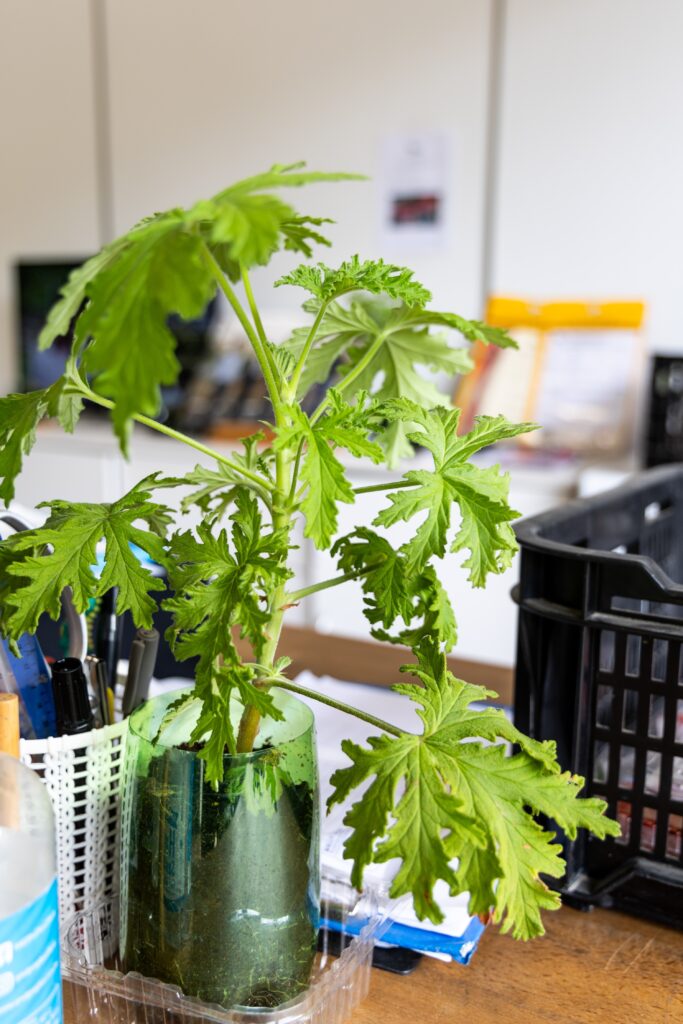
This is the plant most people think of when it comes to mosquito repelling.
It has a citrus-like scent, but it’s worth knowing that the plant itself is much milder than concentrated citronella oil. It still works best when the leaves are handled or placed close by.
It prefers bright light and slightly drier soil between watering.
7. Catnip
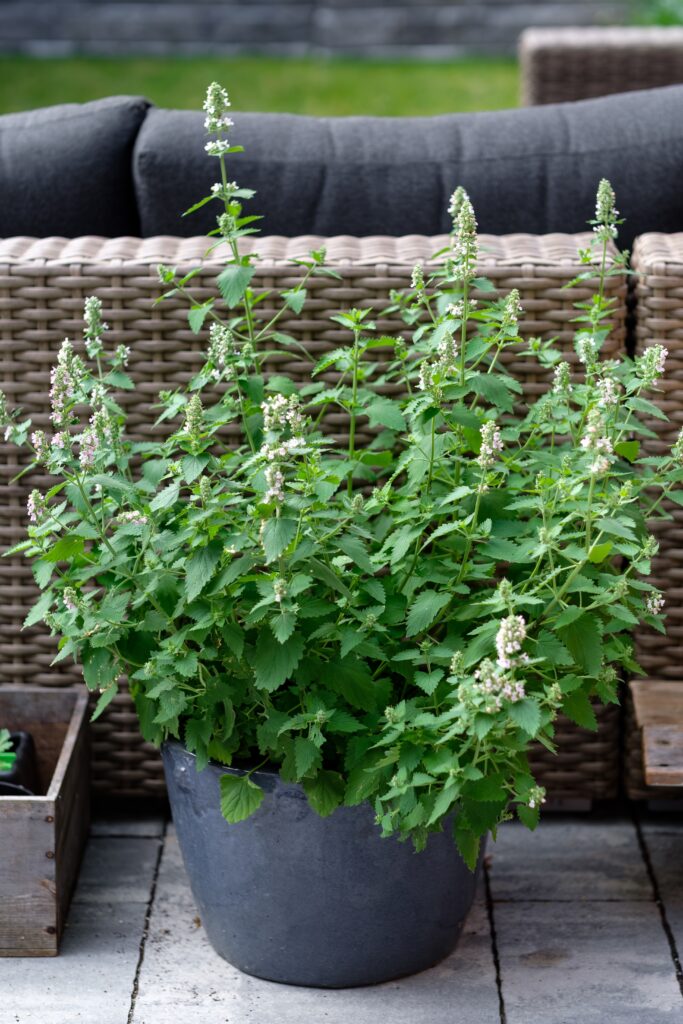
Catnip is surprisingly effective. Some studies have shown it may repel mosquitoes even more strongly than citronella in certain conditions.
It grows easily indoors and doesn’t need much fuss. Just be aware that if you have cats, they’ll be very interested in it.
8. Lemongrass
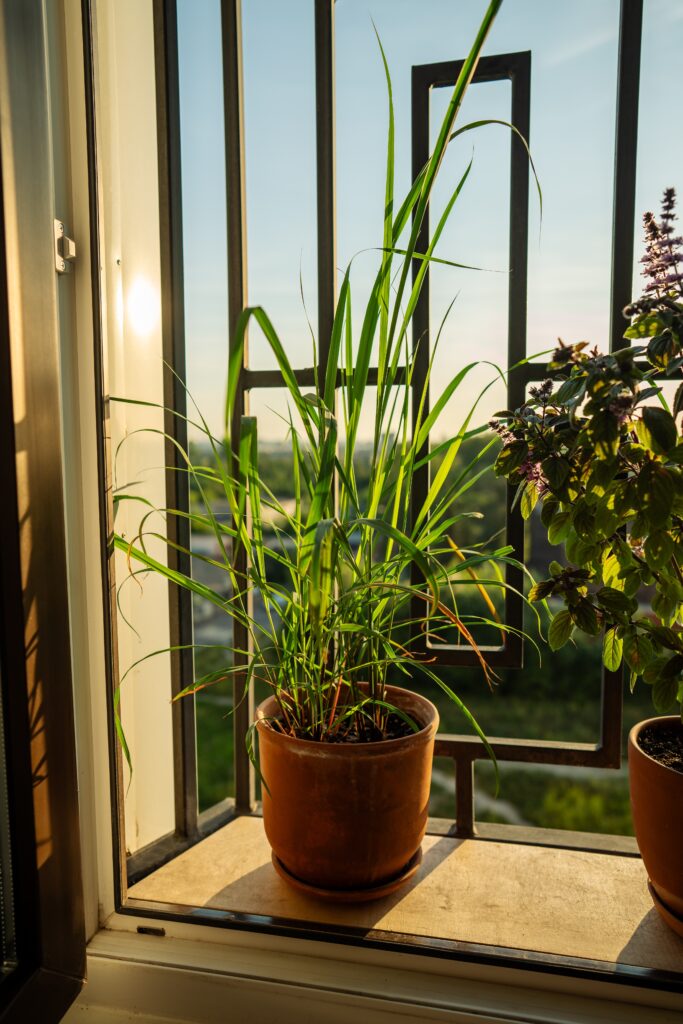
Lemongrass contains citronella compounds, which is where its mosquito-repelling reputation comes from.
Indoors, it needs a bright, warm spot and a bit more space than most herbs. It’s not the easiest plant on this list, but it’s a good one if you’ve got the light for it.
9. Sage
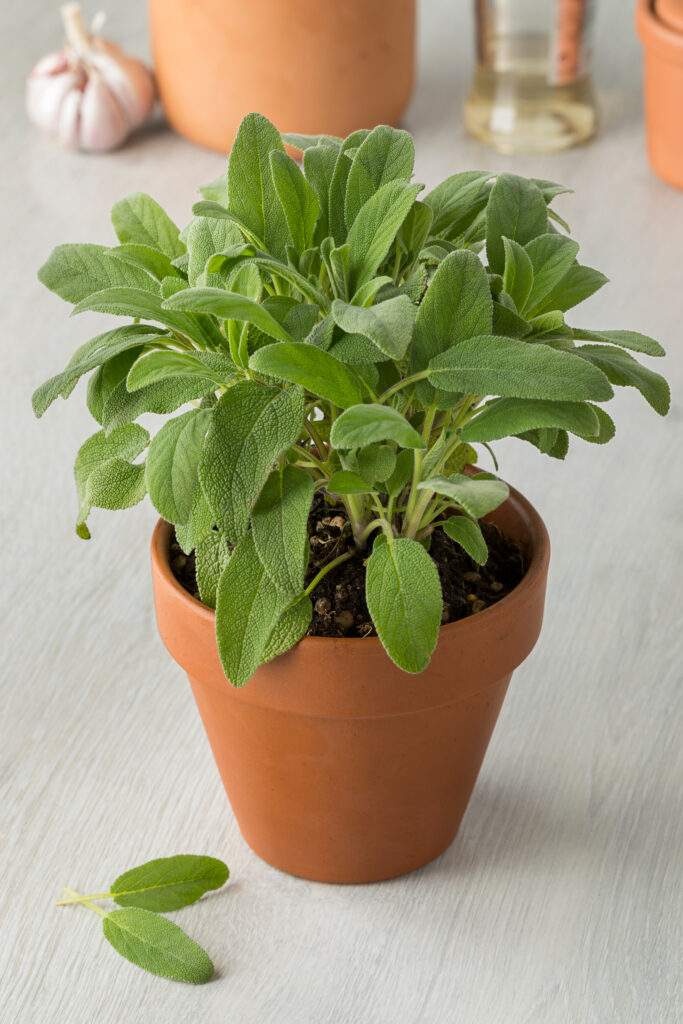
Sage has a strong, earthy scent that’s often mentioned as a natural insect deterrent.
It prefers bright light and drier soil, similar to rosemary. It’s another plant that becomes more aromatic when handled.
How to Actually Use These Plants Indoors
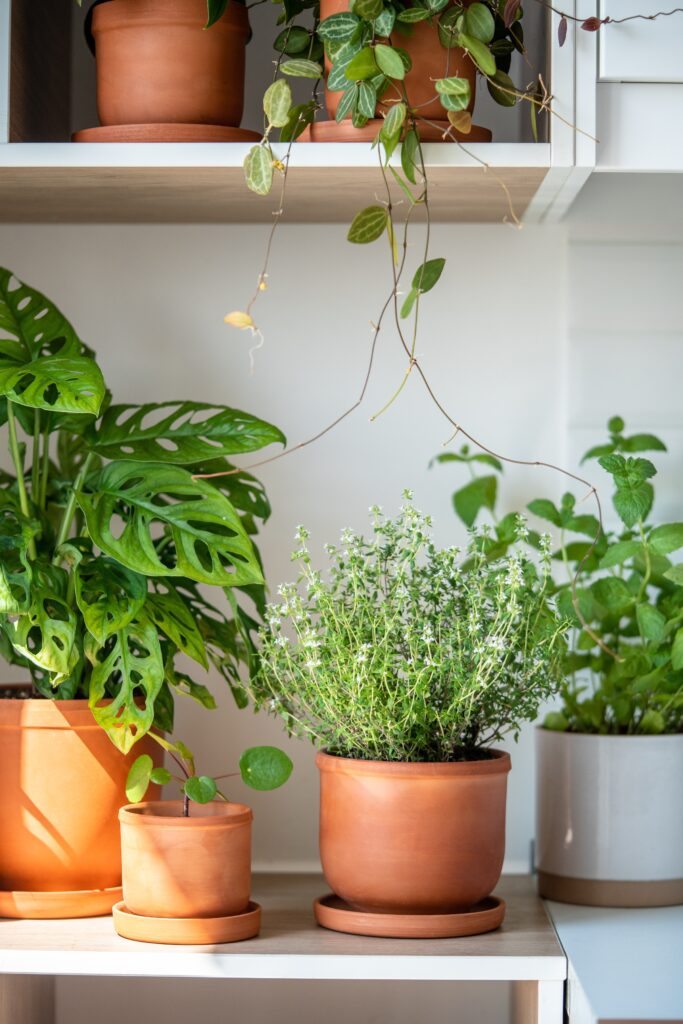
This is the part most articles skip. These plants don’t passively “protect” a whole room. They work best when:
- placed near windows, doors, or seating areas
- grouped together for a stronger overall scent
- lightly brushed or trimmed to release their oils
Even one or two plants near where you sit can make a difference, especially in the evening.
What Makes the Biggest Difference
If mosquitoes are a real issue, plants work best alongside a few simple habits:
- keep windows screened where possible
- avoid standing water indoors
- use airflow (fans make it harder for mosquitoes to land)
Plants are more of a supporting (and beautiful!) layer, not a complete solution.
A Simple, Natural Addition
Even if you’re not relying on them for mosquito control, these plants are still worth growing.
They’re useful, easy to manage, and bring a fresh, natural feel into your space. And if they help make your home a little less attractive to mosquitoes at the same time, that’s a nice bonus.