8 Pet Safe Indoor Plants for Cats and Dogs (Grow Without Worry!)
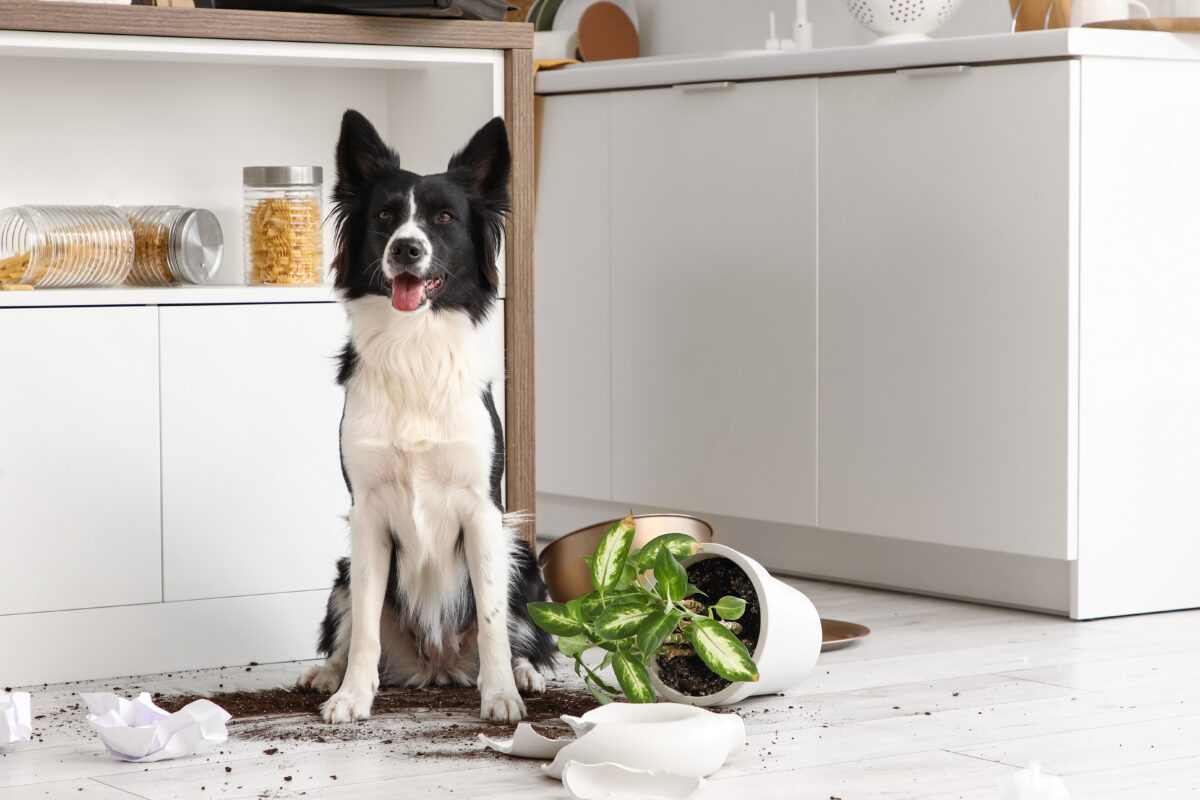
If you’ve ever caught your dog chewing leaves or your cat treating a pot plant like a salad bar, you already know the problem.
A lot of popular houseplants aren’t safe for pets. Some cause mild stomach upset, others can be genuinely dangerous. The tricky part is that many of the common indoor plants you see everywhere fall into that risky category.
The good news is you don’t have to give up greenery indoors. There are plenty of plants that handle life inside and won’t cause trouble if your animals get curious.
This is a straightforward list of plants that are widely considered safe for cats and dogs, plus a few practical tips from real life, because “pet-safe” doesn’t always mean “won’t get destroyed.”
What “Pet-Safe” Actually Means
Before we get into the plants, it’s worth clearing this up. “Pet-safe” generally means:
- non-toxic if chewed or eaten in small amounts
- unlikely to cause serious illness
It doesn’t mean:
- your pet should eat it regularly
- it won’t cause mild tummy upset
- the plant will survive being chewed
Cats especially will still:
- dig
- knock pots over
- chew leaves for fun
So think of these plants as low-risk, not indestructible.
1. Spider Plant (Chlorophytum comosum)
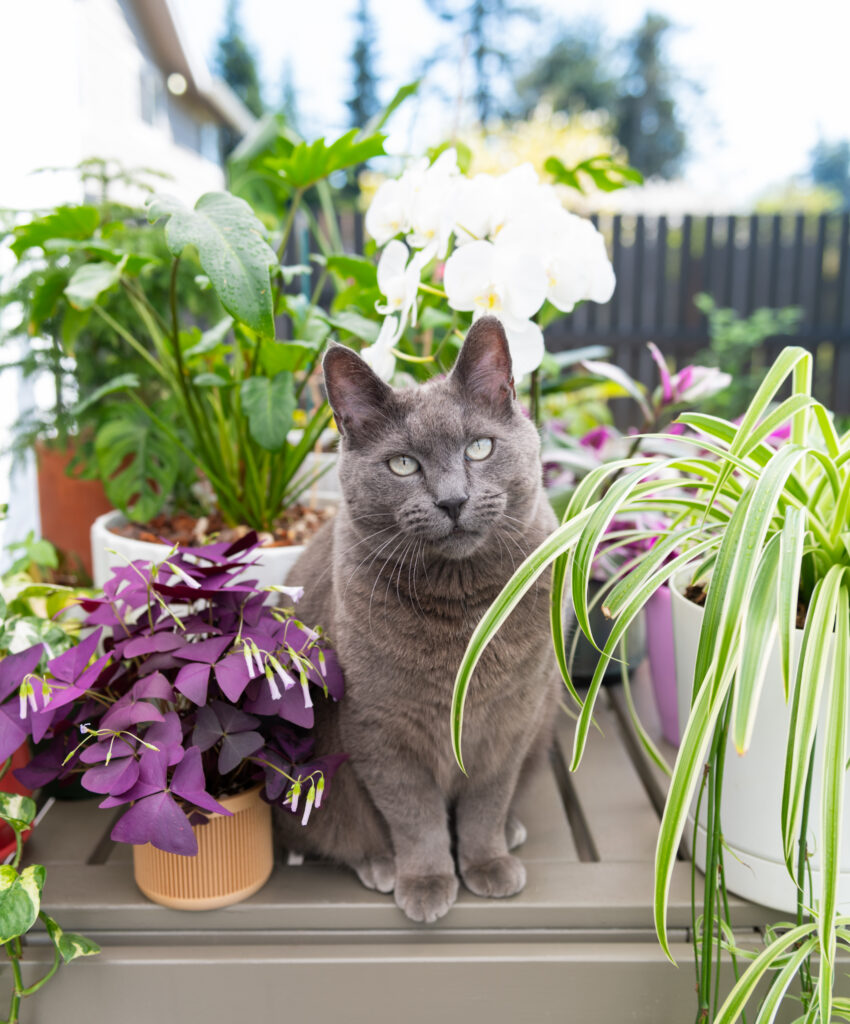
Spider plants are about as forgiving as it gets. They handle low to bright light and tolerate missed watering. They grow very quickly and produce baby plants at the end of their long stems.
Pets often love them (sometimes too much). The dangling plantlets seem to attract cats in particular. If you’ve got a determined chewer, I recommend you hang it up.
- Non-toxic
- Can cause mild tummy upset if a pet eats a lot
- Cats often go nuts for it (mild hallucinogenic effect similar to catnip)
2. Boston Fern (Nephrolepis exaltata)
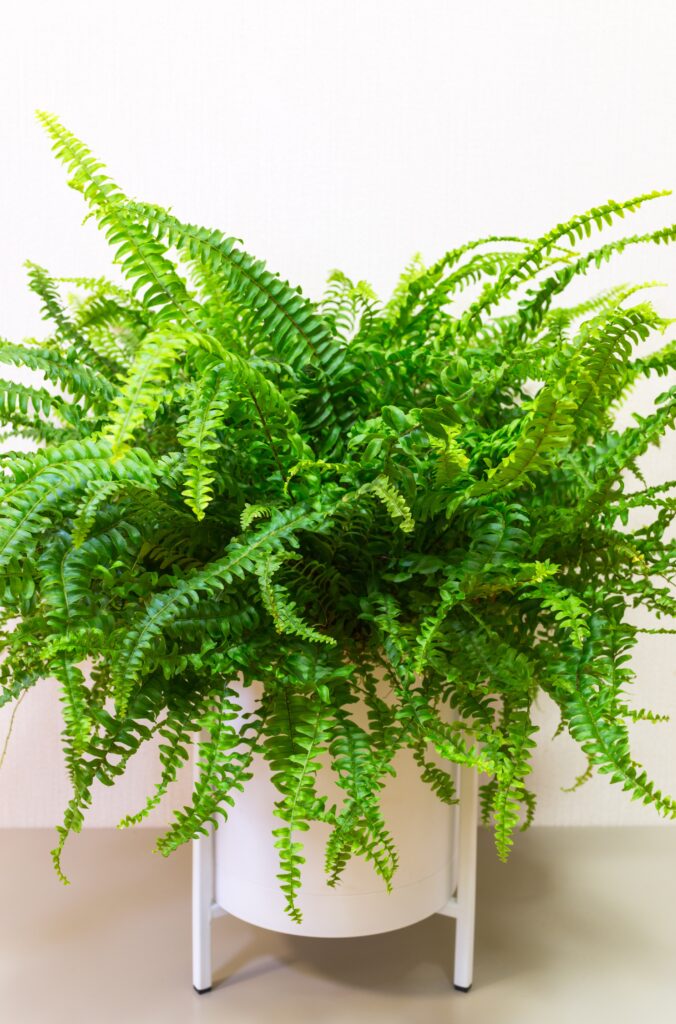
Boston ferns are soft, lush, and safe. They’re great for bathrooms and humid rooms in particular. A Boston fern adds a full, leafy look to your room very quickly, and they’re non-toxic to pets.
Boston ferns:
- Need consistent moisture
- Love decent humidity
- Are one of the safest leafy plants you can have indoors
If your place is dry, they can struggle a bit, but when they’re happy, they look incredible.
3. Areca Palm (Dypsis lutescens)
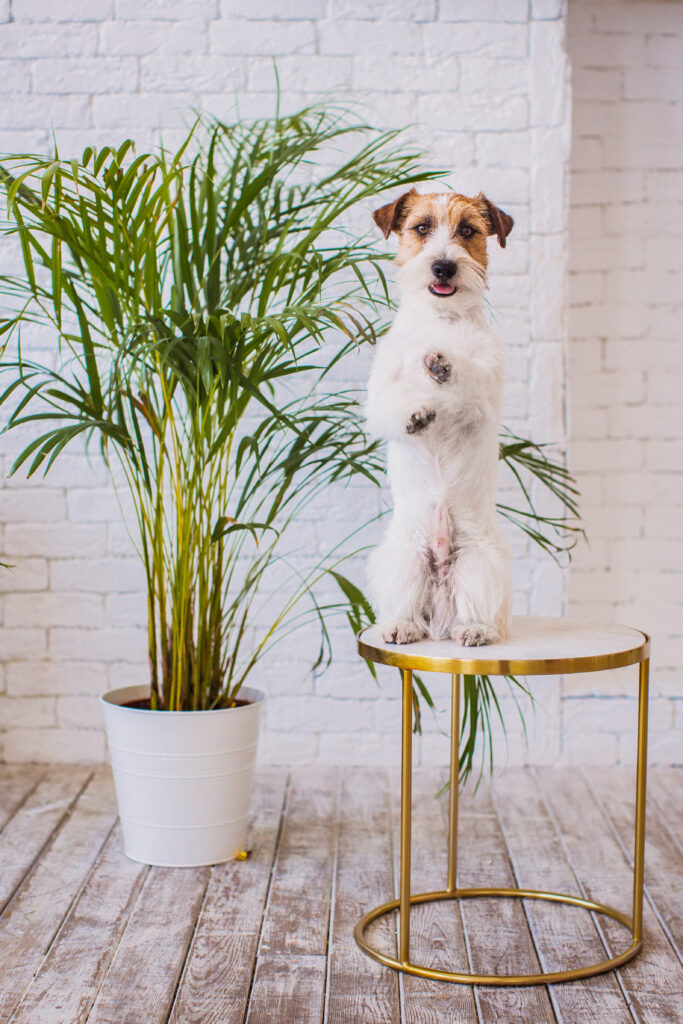
If you want a bigger plant, this is a great option. The areca palm is safe for cats and dogs and grows into a nice indoor feature plant. It brightens up any room with a bit of space! It prefers bright, indirect light and regular watering. It doesn’t like soggy soil, so make sure you don’t overwater it.
4. Calathea (Prayer Plants)
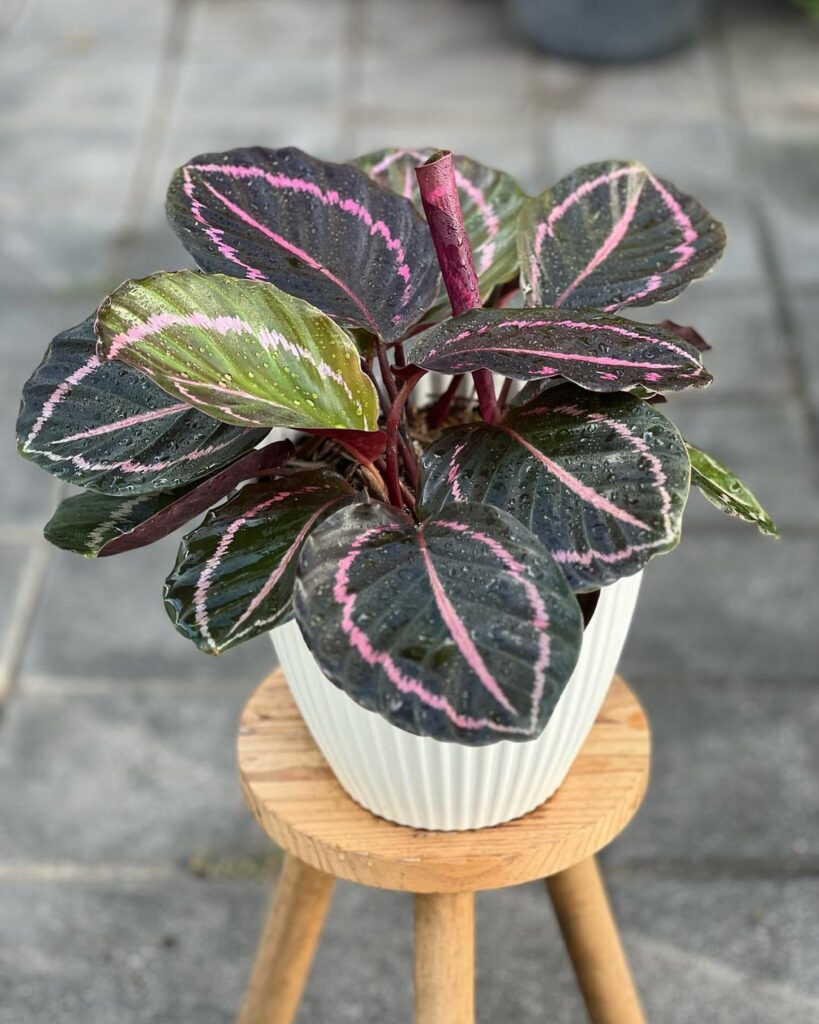
These are beautiful plants that people generally grow for the leaves with their patterned foliage. They’re pet-safe and amazing for indoor styling. Calatheas can be a little bit picky. They don’t love dry air and they prefer filtered light. However, once you get them in the right spot, they’re so worth it!
5. Parlor Palm (Chamaedorea elegans)
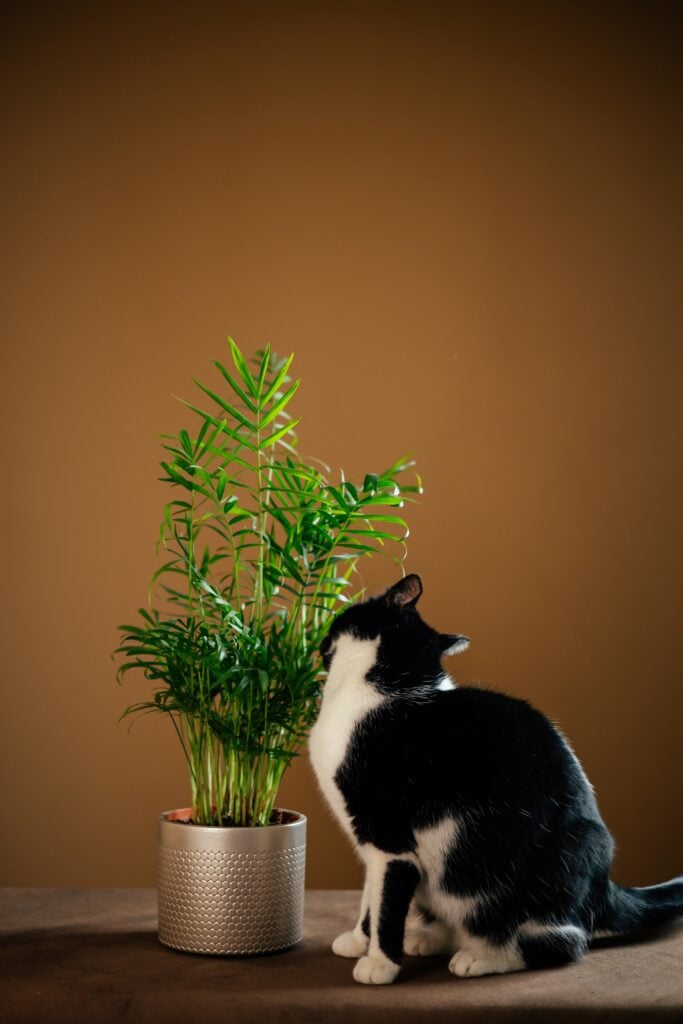
This is a gorgeous old-school house plant for a reason. It handles low light conditions better than most. It’s compact and tidy, and it’s safe around your pets.
A good option if your house isn’t flooded with light!
6. Peperomia (Various Types)
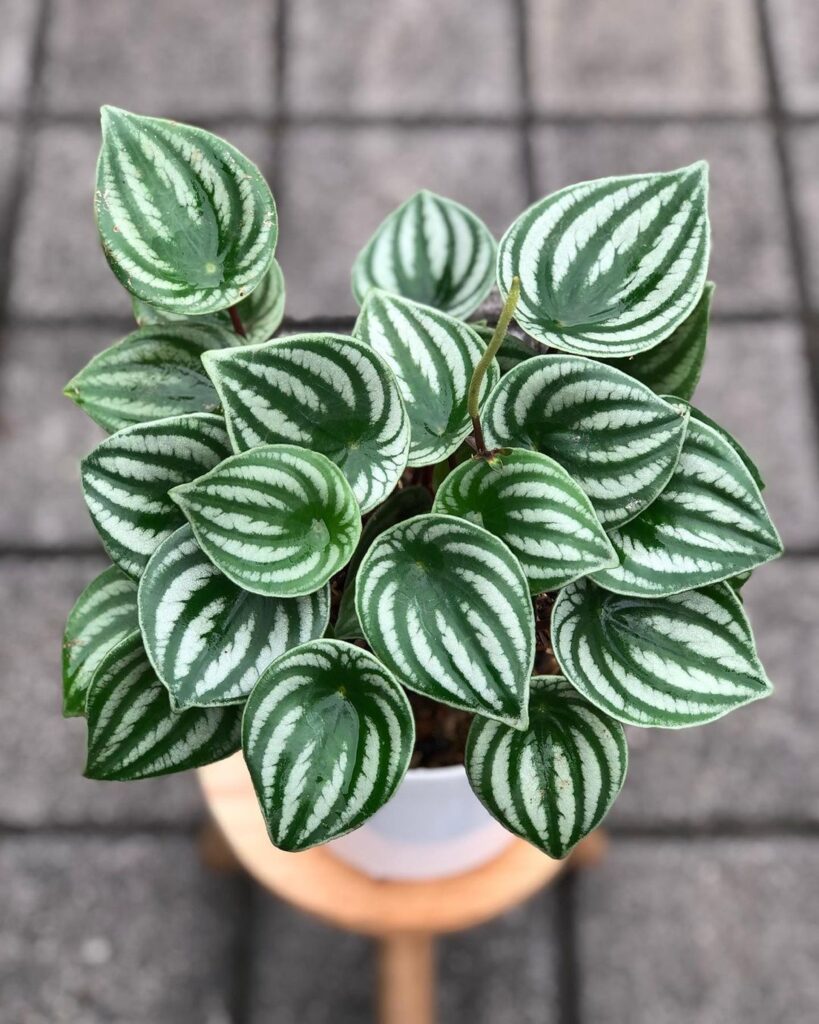
Peperomias are great for smaller spaces. They’re compact with really interesting leaf shapes and colors, and they’re easy to care for. They don’t need a whole lot of care. Just make sure they get:
- Moderate light
- Light watering
They’re perfect for shelves, desks, or tucked into corners. Just make sure you stick with true Peperomias – don’t confuse them with other similar-looking plants that might not be safe for your pets.
7. African Violet (Saintpaulia)
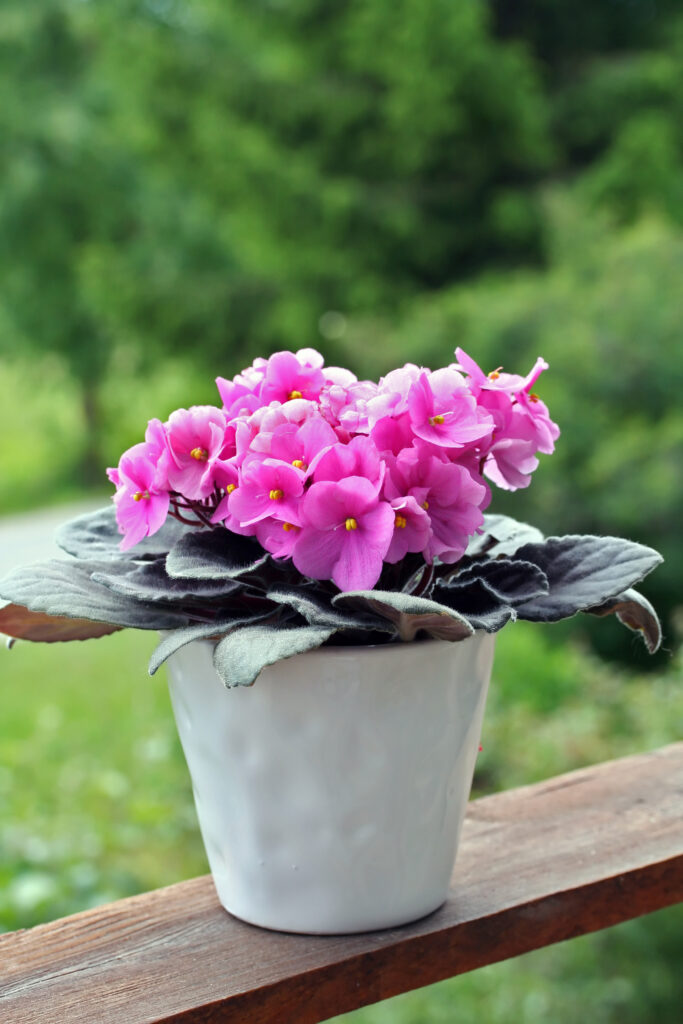
The African violet is one of the few indoor flowering plants that are safe for pets. It’s compact so you can fit it in small spaces and flowers regularly. They prefer bright but indirect light and careful watering. When you water them, make sure water the soil and not the leaves.
8. Bamboo Palm (Chamaedorea seifrizii)
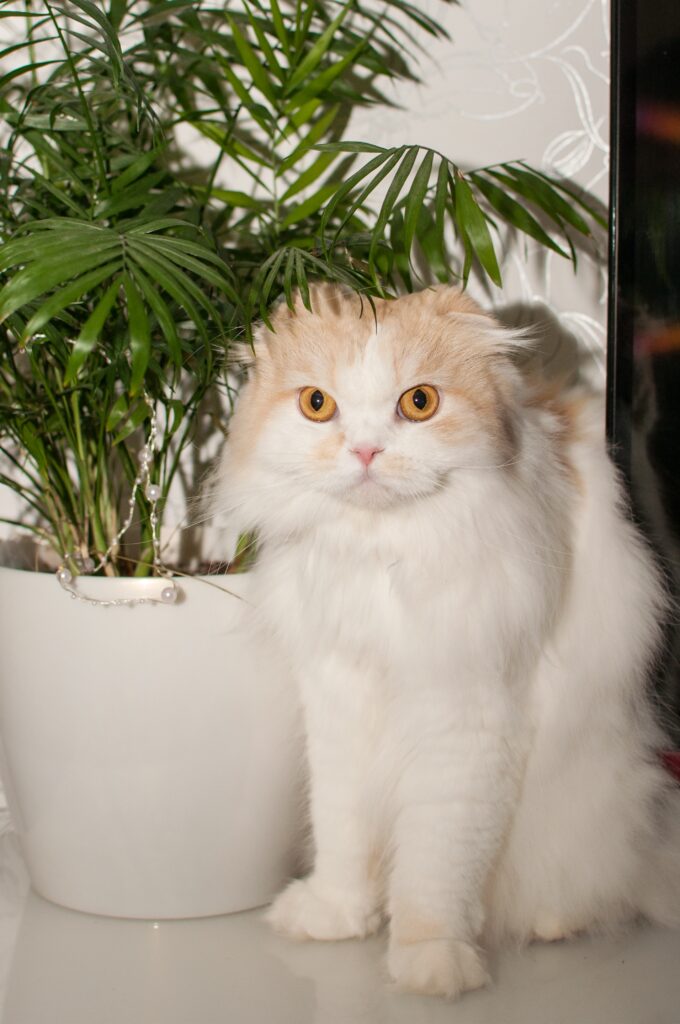
The bamboo palm is another great, pet-safe larger indoor plant. It fills your space nicely and gives the house this great indoor air feel. It prefers a light position but not full sun. It also requires regular watering.
A Quick Word on Common Plants to Avoid for Pets
Even though you might see these plants everywhere, they are NOT pet-safe:
- Peace lily
- Devil’s ivy (pothos)
- Philodendrons
- Dieffenbachia
- Sago palm (especially dangerous)
These are often sold as beginner plants, which is where people get caught out.
Practical Tips for Living With Pets and Plants
Here are a few things that actually help in real homes.
1. Elevate what you can
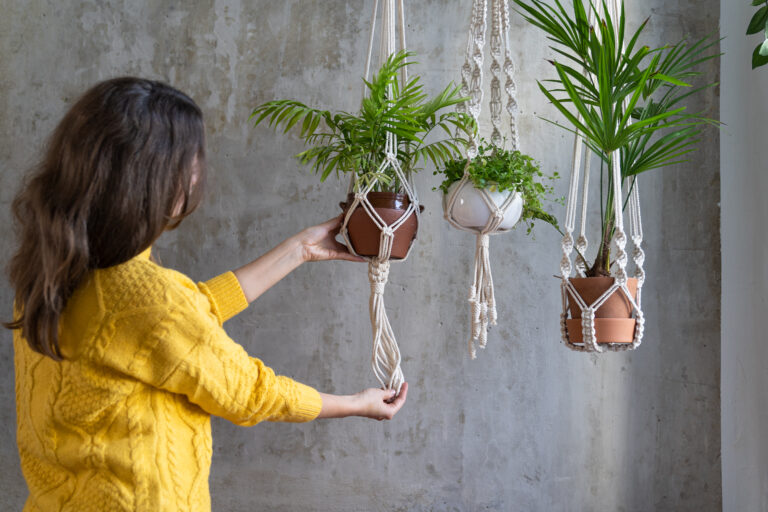
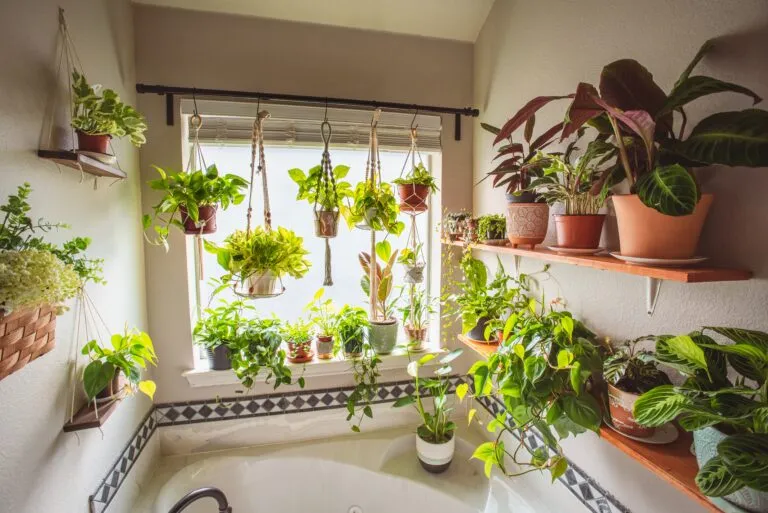
Use shelves, hanging pots, plant stands, and similar ways to remove the temptation for your pets to chew on the plants (or dig in the soil!).
2. Give pets something else to chew
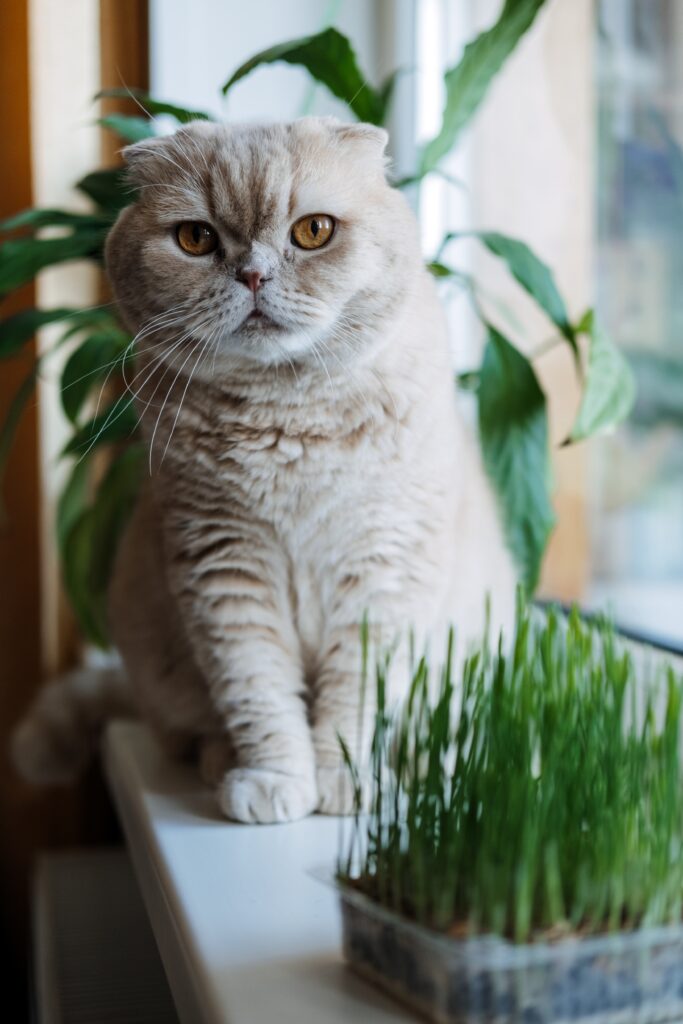
Distract your pets away from your previous house plants by giving them something else to chew on. This is especially important for cats. Something like cat grass works surprisingly well.
3. Expect some damage
Even “safe” plants might get nibbled on or knocked over. Try to plan for it rather than fighting it.
4. Watch new behaviour
If your pet suddenly:
- vomits
- drools
- acts off
remove plant access and check what they got into. Always consult a veterinarian if you are unsure!
You can have plants and pets
You don’t need to choose between plants and pets. Stick with safer varieties, place them smartly, and accept that a bit of chaos is part of the deal.
A few chew marks here and there is a small price to pay for a house that feels alive!