Why Are My Houseplant Leaves Turning Yellow? (And How to Fix It)
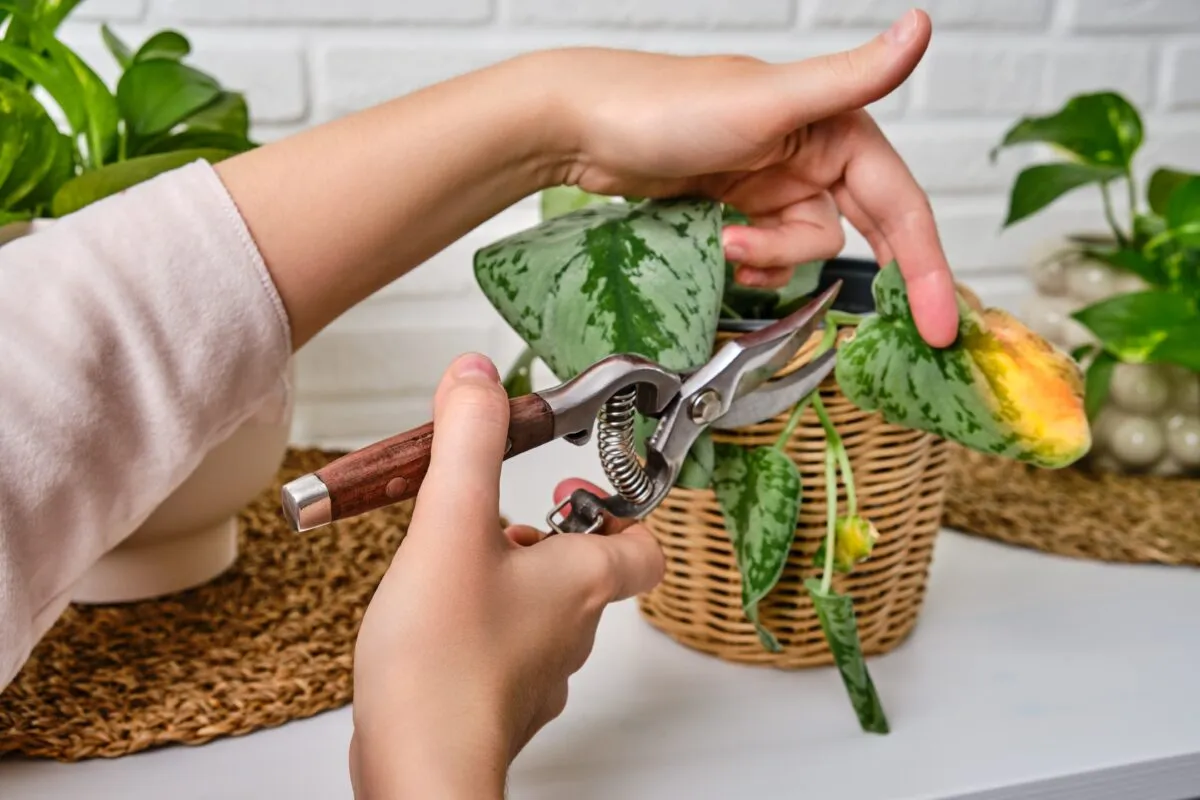
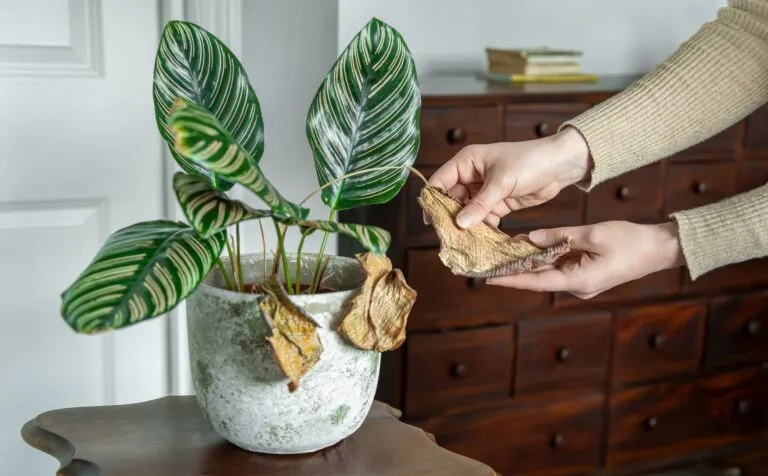
You walk past your plant and notice it right away. A bright yellow leaf where there used to be a healthy green one.
Yellow leaves are one of the most common problems houseplant owners run into. The tricky part is that several different things can cause it, and the fix depends on what’s actually happening.
The good news is that most causes are simple to identify and even easier to correct.
Here are the most common reasons houseplant leaves turn yellow, along with what you can do about it.
1. Too Much Water
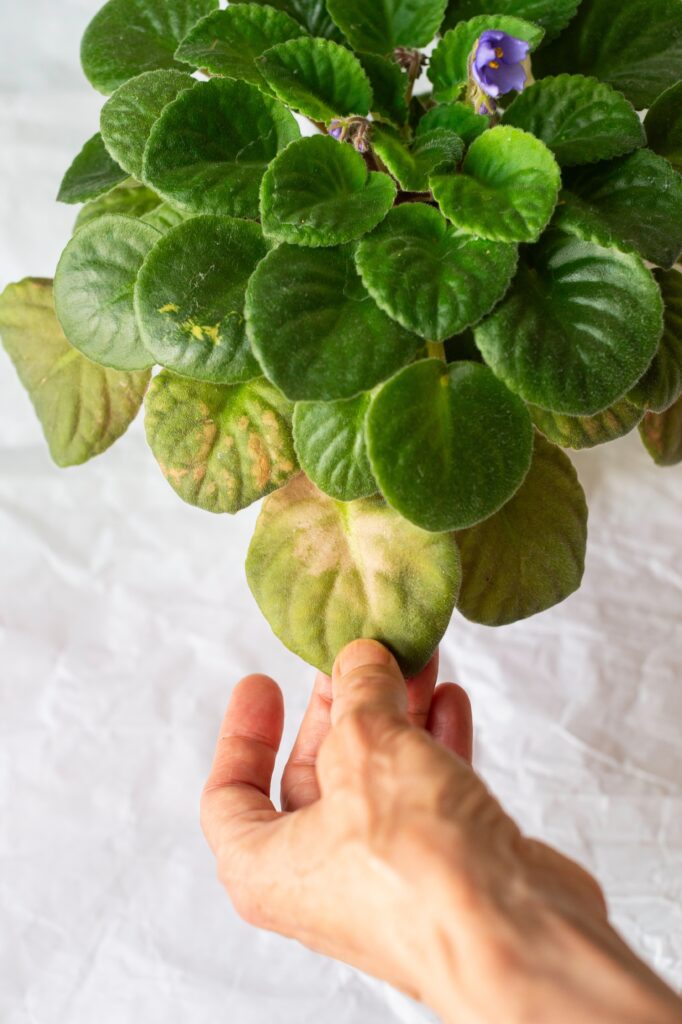
Overwatering is the number one cause of yellow leaves on indoor plants.
When soil stays wet for too long, roots can’t get enough oxygen. Over time they begin to rot, which prevents the plant from absorbing water and nutrients properly.
One of the first signs is leaves slowly turning yellow.
Signs this may be the problem:
- Soil feels constantly wet
- Yellow leaves feel soft or mushy
- The plant looks droopy even though the soil is damp
What to do:
Let the soil dry out before watering again. Most houseplants prefer soil that dries slightly between waterings.
If the pot doesn’t have drainage holes, consider repotting the plant into one that does.
2. Too Little Water
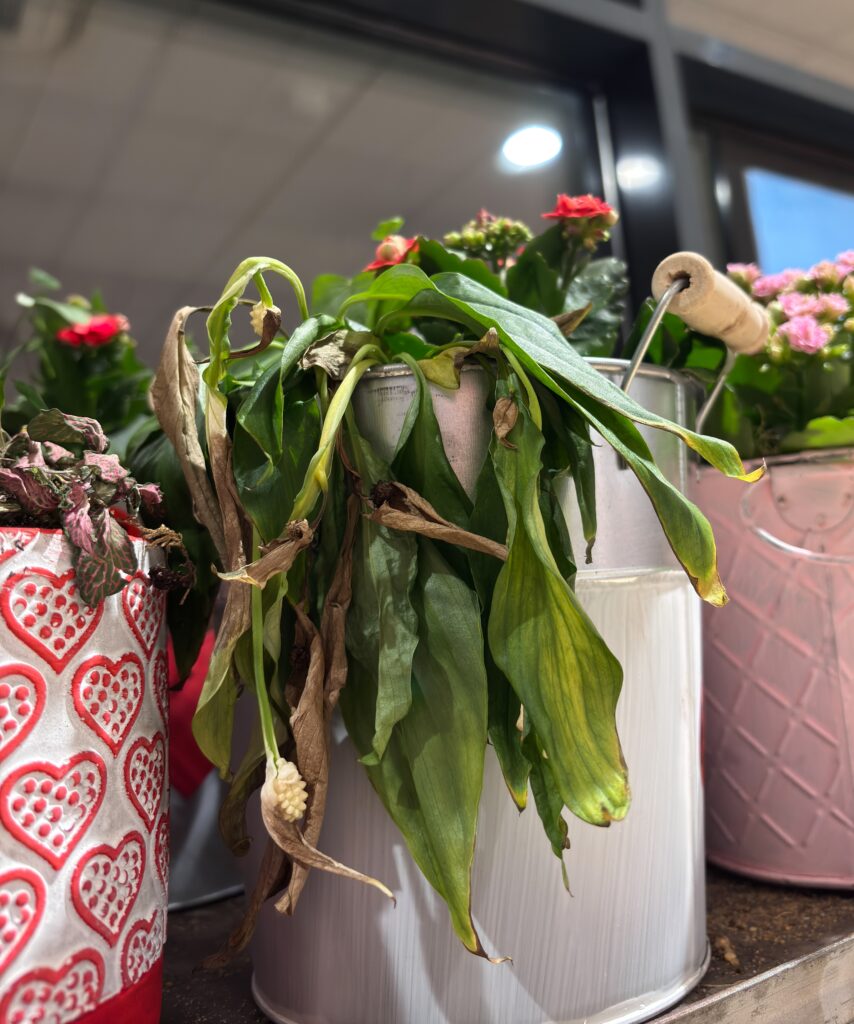
Underwatering can also cause yellow leaves.
When a plant becomes too dry, it may shed older leaves in order to conserve energy.
Signs this may be the problem:
- Soil feels dry and pulling away from the pot edges
- Leaves may feel dry or crispy
- The plant may look slightly wilted
What to do:
Give the plant a deep watering until excess water drains out of the bottom of the pot. Make sure no air bubbles come out anymore. You may need to soak the whole pot in a bucket of water, or consider repotting.
Try watering when the top inch or two of soil feels dry, rather than on a strict schedule.
3. Natural Leaf Aging
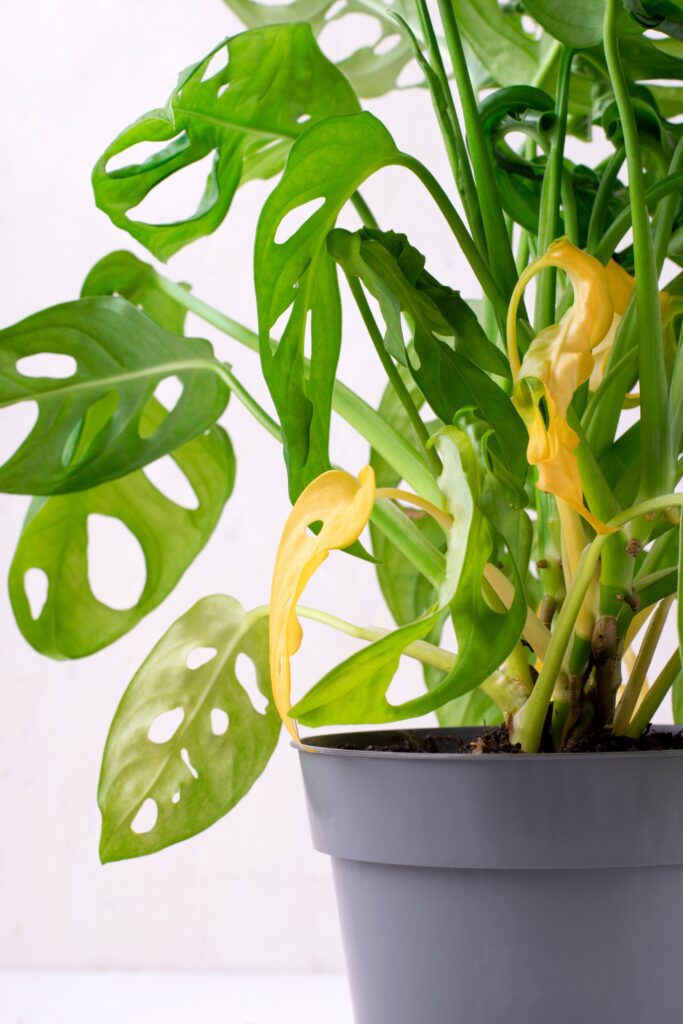
Sometimes yellow leaves are simply part of the plant’s normal growth cycle.
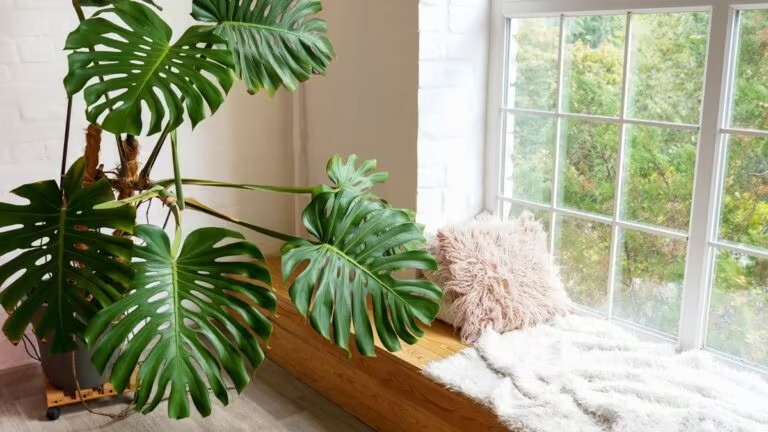
As plants grow, older leaves eventually age and drop off. This is especially common with larger plants like monstera, philodendron, and rubber plants.
Signs this may be the reason:
- Only one or two lower leaves turn yellow
- The rest of the plant looks healthy
- New leaves continue to grow
What to do:
Nothing at all!
You can trim the yellow leaf off once it’s mostly faded. The plant is simply replacing older foliage with new growth.
4. Not Enough Light

Plants rely on light to produce energy. If a plant sits in a space that’s too dark, it may start dropping older leaves.
Yellowing is often the first sign.
Signs this may be the problem:
- Leaves become pale or yellow
- Growth slows down
- Stems stretch toward the nearest window
What to do
Move the plant closer to a brighter window or place it in a room with more natural light.
Even plants labeled “low light” usually grow better with bright, indirect light.
5. Nutrient Deficiency

Plants growing in the same soil for a long time may eventually run low on nutrients.
When that happens, leaves can turn pale or yellow because the plant doesn’t have enough minerals to support healthy growth.
Signs this may be the cause:
- Yellowing appears gradually
- New leaves look smaller than usual
- Growth slows
What to do:
Feed the plant with a balanced houseplant fertilizer during the growing season.
Repotting the plant with fresh soil can also help restore nutrients.
6. Sudden Temperature Changes
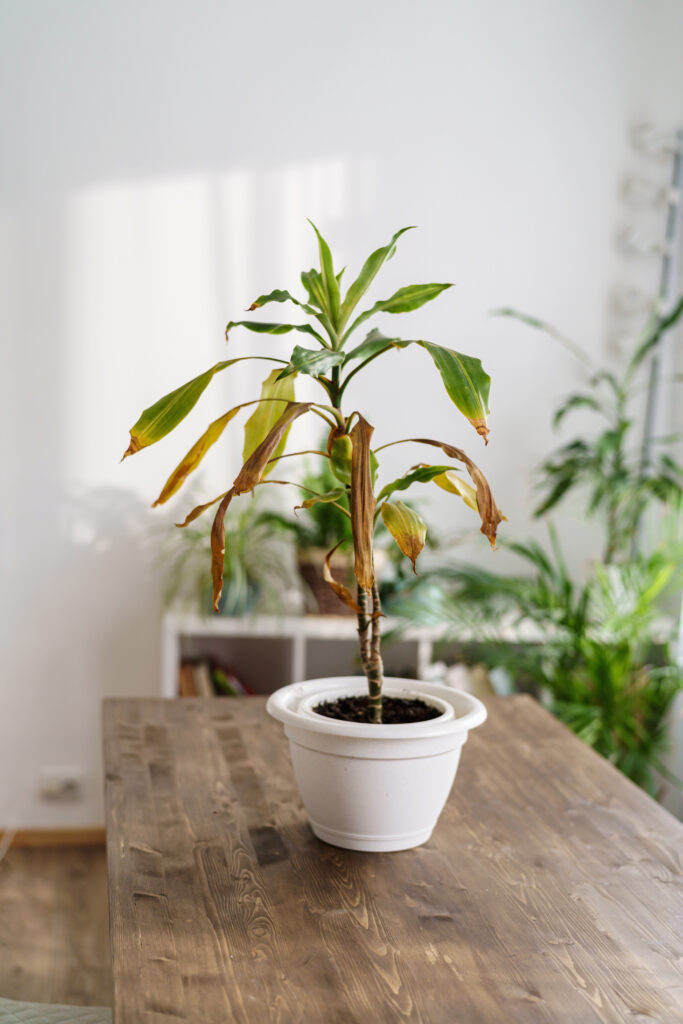
Houseplants prefer stable conditions.
Cold drafts, heating vents, and sudden temperature swings can stress plants and cause leaves to yellow.
Signs this may be happening:
- Yellowing appears suddenly
- Leaves near windows or vents are affected first
- The plant recently moved locations
What to do:
Keep plants away from:
- air conditioners
- heating vents
- drafty windows
Most houseplants prefer temperatures between 65–80°F (18–27°C).
7. Pests
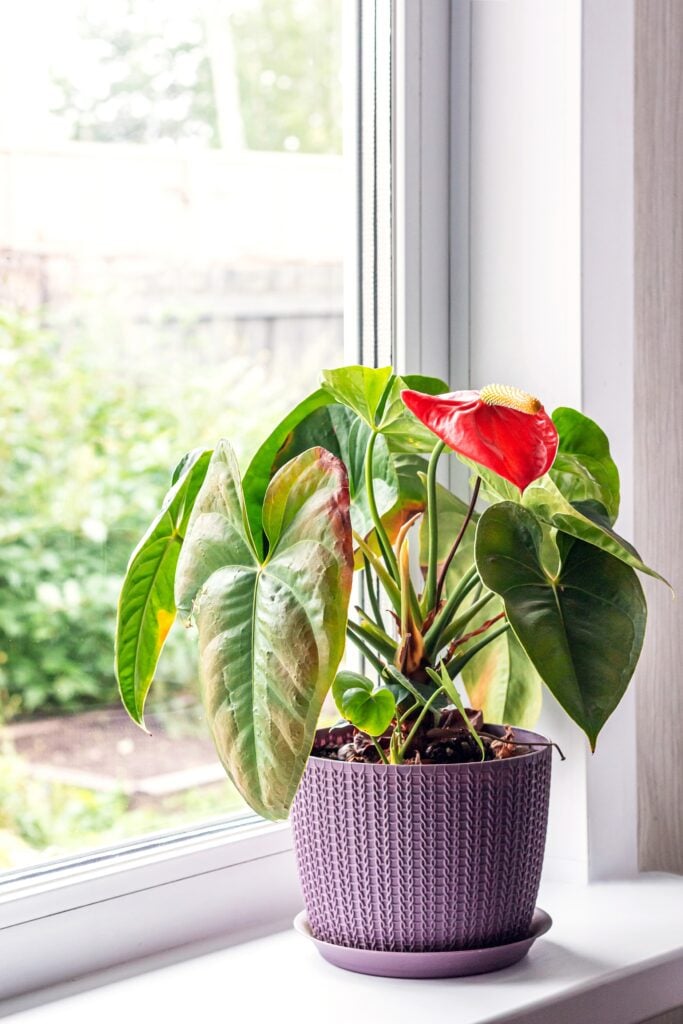
Small insects can damage plant leaves and interfere with normal growth.
Common houseplant pests include:
- spider mites
- aphids
- scale insects
- fungus gnats
Signs pests may be present
- tiny insects on leaves
- sticky residue
- speckled or damaged leaves
What to do
Inspect the plant carefully, especially under the leaves.
Wiping leaves with a damp cloth or spraying with insecticidal soap usually solves minor infestations.
How to Tell What’s Causing Yellow Leaves
The easiest way to narrow down the cause is to ask a few simple questions.
- Is the soil wet or dry?
- Is the plant near a window?
- Did the yellowing appear suddenly?
- Are multiple leaves affected or just one?
In many cases, the answer becomes obvious once you check these things.
When Yellow Leaves Are Nothing to Worry About

If the plant is still producing new leaves and only an occasional older leaf turns yellow, there’s usually no problem.
Plants naturally shed old growth as they continue developing.
Simply remove the yellow leaf and keep caring for the plant as usual.
A Simple Tip to Prevent Yellow Leaves
Most houseplants stay healthy when three basics are right:
- well-draining soil
- moderate watering
- bright indirect light
If those conditions are in place, yellow leaves tend to be rare.