Do Coffee Grounds Repel Mosquitoes Indoors? (And What to Use Instead)
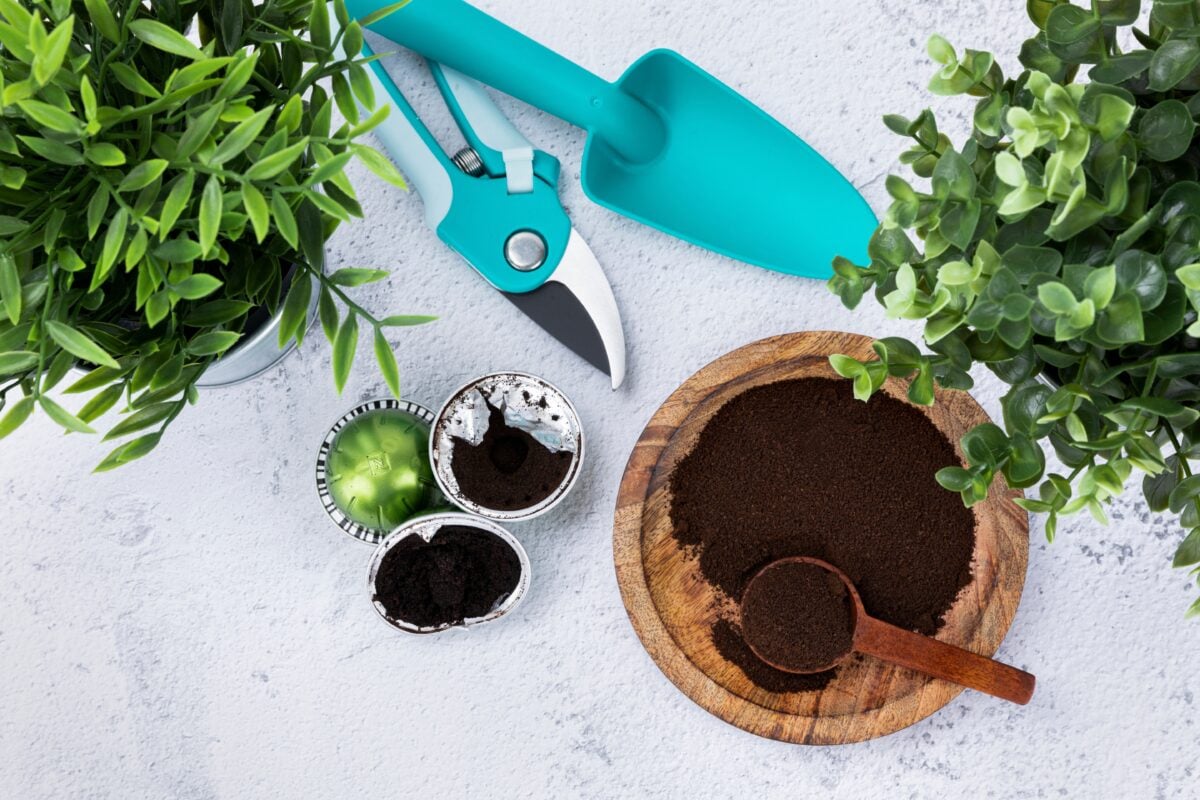
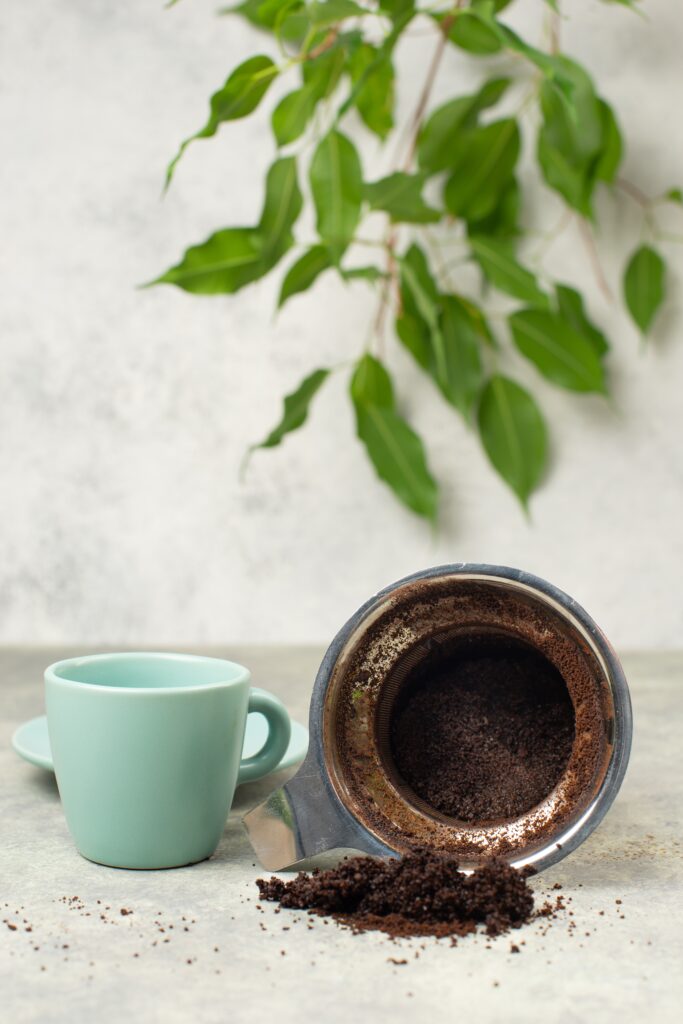
Coffee grounds get mentioned a lot as a natural way to repel mosquitoes. It sounds simple enough. You’ve already got them in the kitchen, and the idea of using them in plant pots or around the house feels like an easy win.
But indoors, it doesn’t quite work the way people expect.
Here’s what’s actually going on, and what’s worth doing instead.
Where the Idea Comes From

Coffee grounds can have an effect on insects, but not in the way most people think. The repellent effect comes from:
- burning coffee grounds, which creates smoke
- or using concentrated extracts or oils
That’s very different from sprinkling used grounds into a pot or leaving them sitting on the soil surface.
Indoors, coffee grounds just sit there. They don’t release anything strong enough to deter mosquitoes in a meaningful way.
Do Coffee Grounds Repel Mosquitoes Indoors?
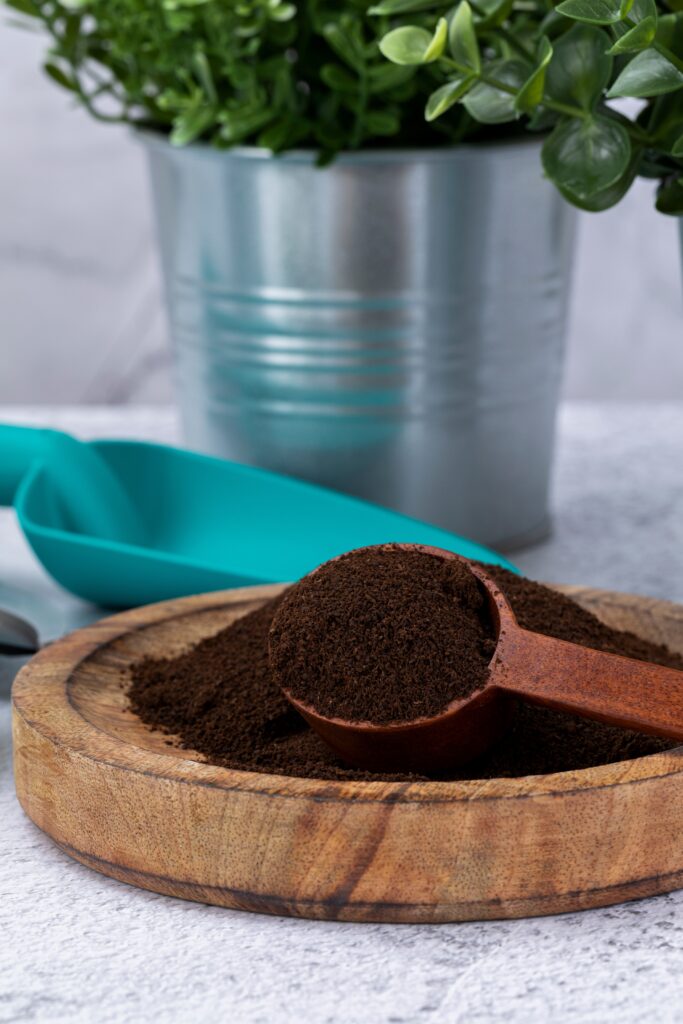
Not really.
If you add coffee grounds to your indoor plants or leave them in small containers around the house, you’re unlikely to notice any difference.
Mosquitoes aren’t affected by:
- dry grounds sitting in soil
- small amounts of used grounds indoors
- the mild smell they give off
In a closed indoor space, there’s simply not enough active compound being released to do anything useful.
Why Adding Coffee Grounds to Houseplants Can Backfire

This is the part that often gets missed. Using coffee grounds in indoor pots can actually create more problems than it solves!
Here are the main issues:
1. Coffee Grounds hold onto moisture

Coffee grounds don’t dry out quickly. When added to potting mix, they can keep the surface damp for longer than you want.
That can lead to:
- soggy soil
- stressed roots
- a higher chance of root issues over time
2. They attract fungus gnats

Ironically, one of the biggest problems with coffee grounds indoors is that they can encourage fungus gnats.
Those tiny flying insects love:
- moist soil
- organic material breaking down
Which is exactly what coffee grounds provide.
3. They can grow mold
In a warm indoor environment, coffee grounds can develop mold on the surface, especially if airflow is limited.
Not ideal for:
- your plants
- or your indoor air
4. They can compact the soil
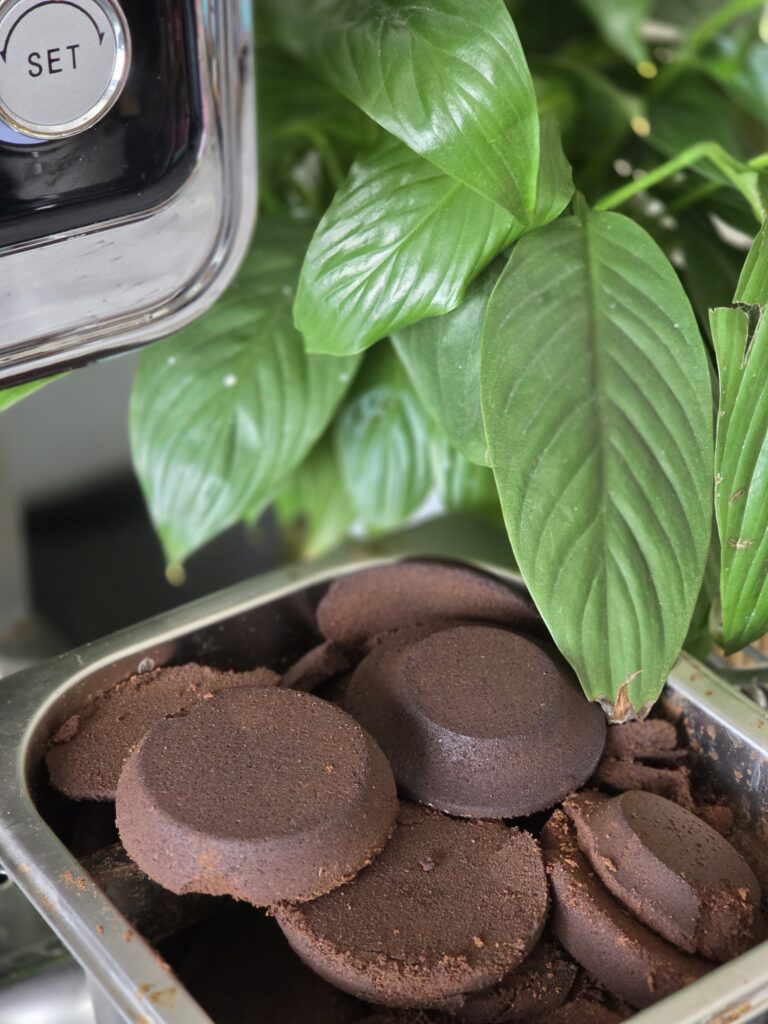
Fine coffee grounds can form a dense layer over time, especially if used regularly.
This can:
- reduce airflow to the roots
- make watering less even
- interfere with healthy soil structure
What Actually Helps Indoors
If mosquitoes are getting inside, plants alone won’t fix it, but a few simple things make a noticeable difference. Here are my favorite mosquito-repelling solutions:
1. Airflow matters more than anything

Mosquitoes are weak fliers.
A fan or steady airflow:
- makes it harder for them to land
- reduces how long they hang around
Even a small fan in the evening can help.
2. Focus on entry points

Check:
- windows
- doors
- screens
Stopping them from getting in is far more effective than trying to repel them once they’re inside.
3. Use plants the right way
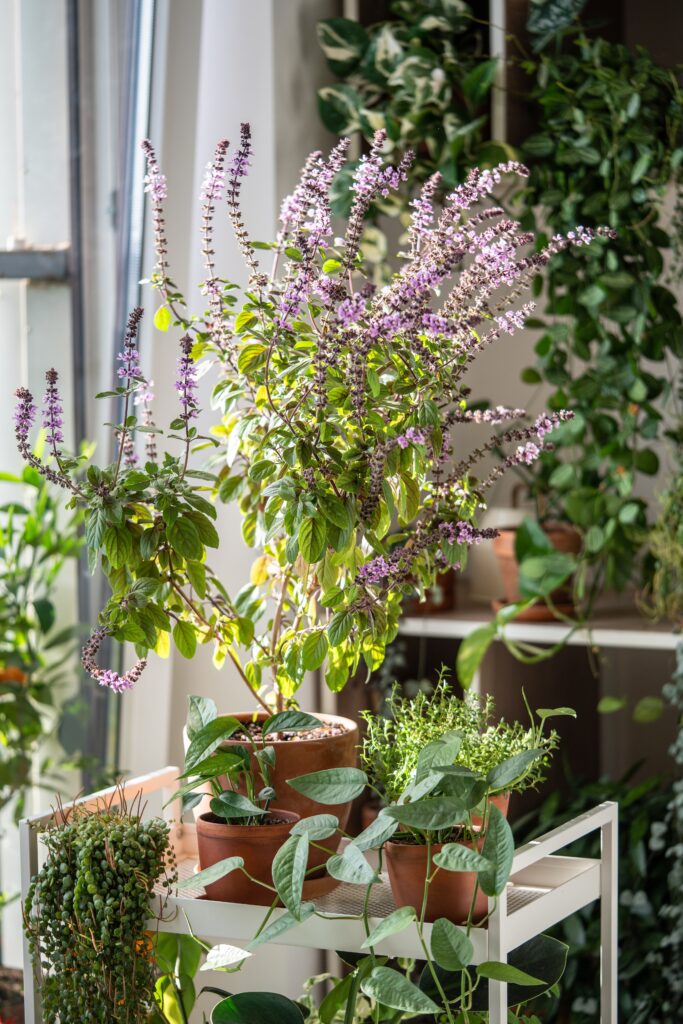
Some plants have scents mosquitoes don’t like, but they work best:
- up close
- when brushed or handled
Good indoor options include:
- basil
- mint
- lemon balm
- citronella geranium
They won’t protect a whole room, but they can help in small areas.
4. Remove indoor water sources
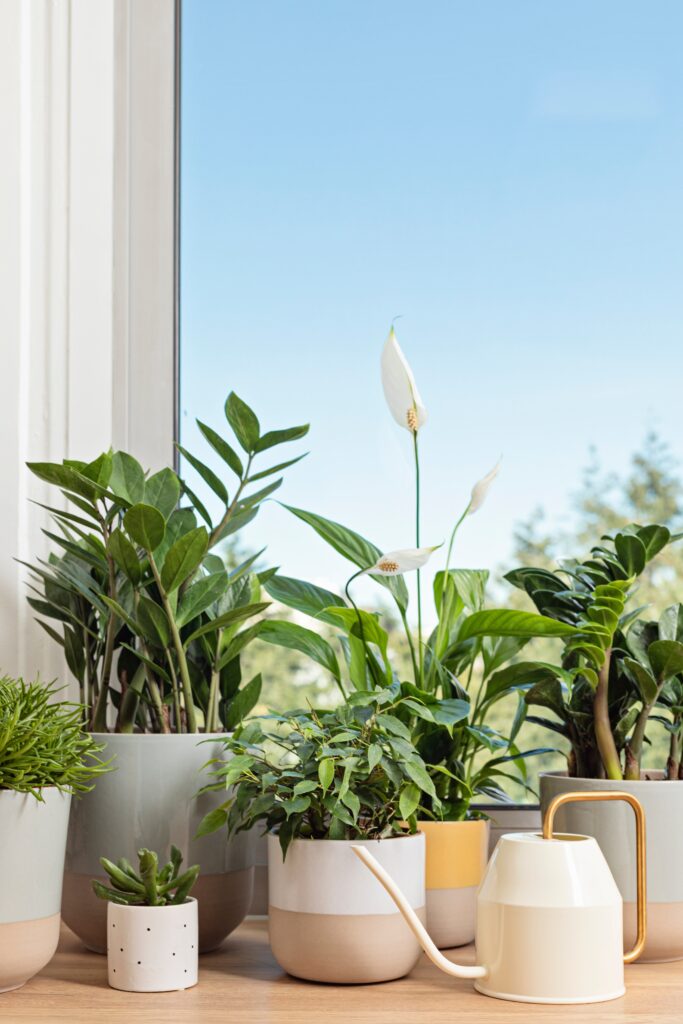
Mosquitoes need standing water to breed. Indoors, that can include:
- trays under pots
- forgotten water containers
- damp areas that stay wet
Keeping things dry cuts the problem off at the source.
A Better Way to Think About It

Coffee grounds sound like a simple solution, but indoors they don’t do much for mosquitoes and can cause issues for your plants instead. If you’re trying to make your home less attractive to insects, it’s more about:
- airflow
- light
- dryness
- and a few well-placed plants
Rather than adding extra materials into your pots.
Keep It Simple
Most indoor plant setups work best when you keep things straightforward.
Good light, the right watering, and clean soil go a long way. Adding coffee grounds usually complicates things without giving you anything back!