How to Grow Aloe Vera Plants Indoors: 9 Simple Tips
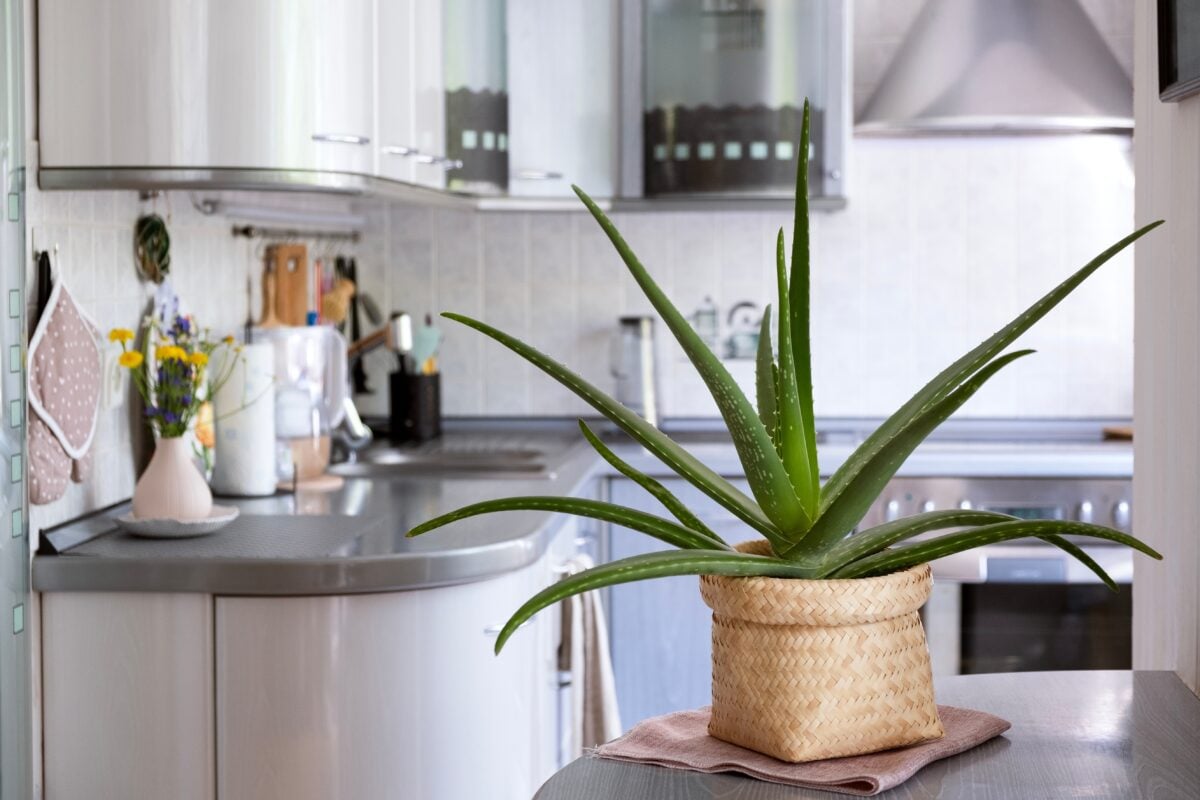
Aloe vera is one of those plants most people have owned at some point, but not everyone keeps alive long-term, especially indoors. It looks tough, and it is, but it still has a few preferences that make all the difference.
Those thick, fleshy leaves are designed to store water, which is why aloe handles dry conditions so well. Once you understand that, the rest starts to make sense. Get the basics right, and aloe is one of the easiest indoor plants to grow. It sits happily in a sunny spot, needs very little attention, and is always there when you need it.
Here are my top tips for success.
What Is Aloe Vera?
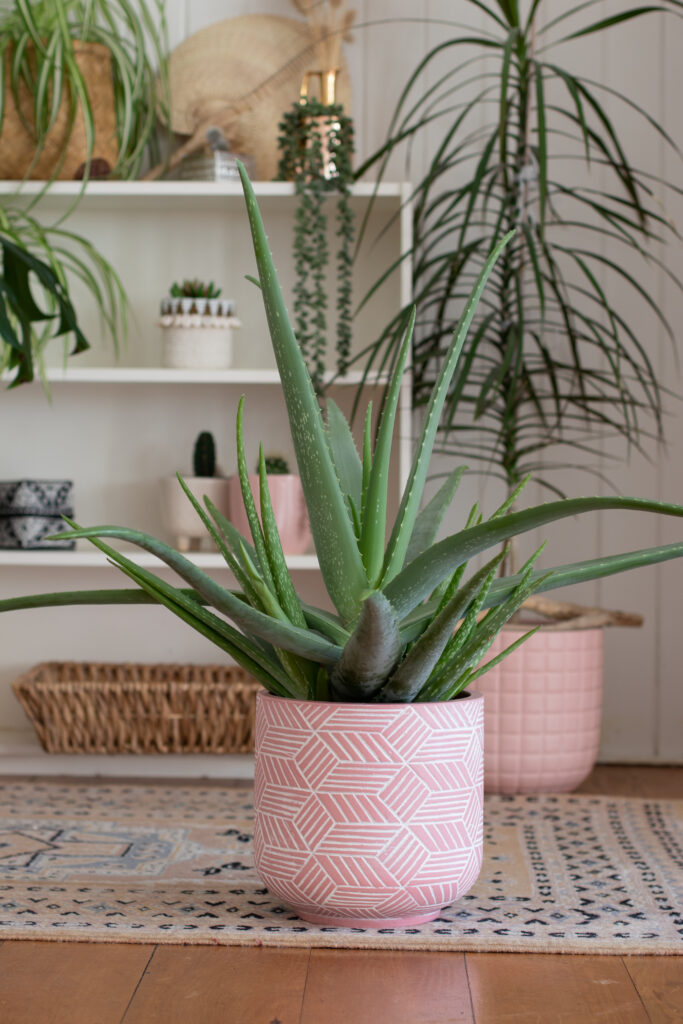
Aloe vera is a succulent plant known for its thick, pointed leaves filled with a clear gel. It’s commonly grown indoors for both its look and its practical uses, especially for skin care. It comes from dry, warm regions, which explains why it prefers plenty of light and doesn’t like being overwatered.
Unlike leafy tropical houseplants, aloe stores moisture in its leaves, so it behaves very differently when it comes to watering and soil.
Finding the Right Spot
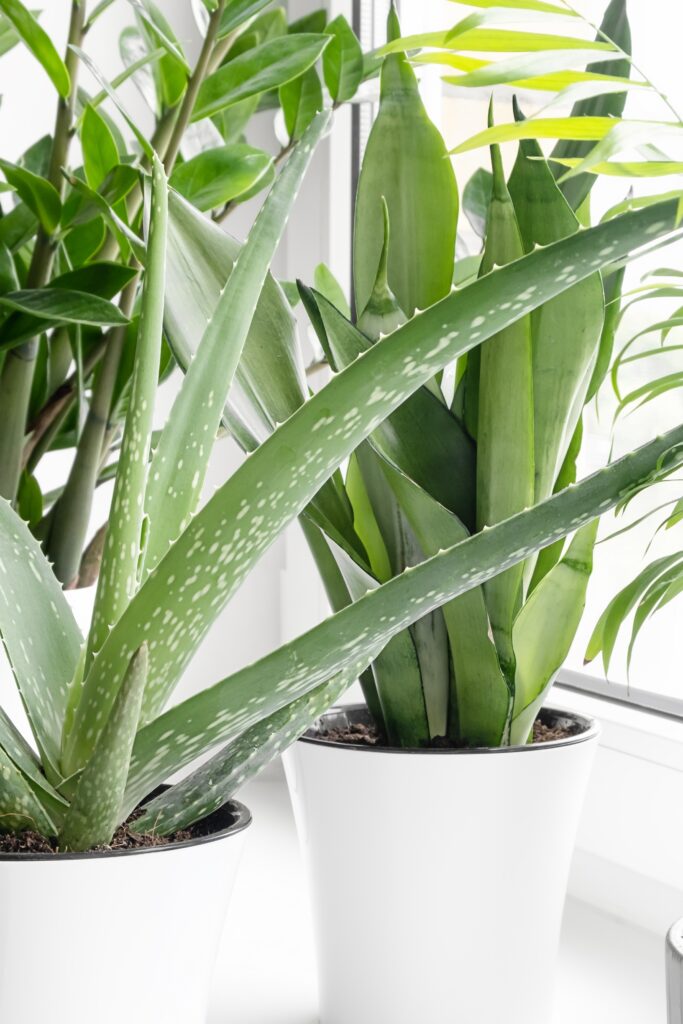
Aloe needs more light than most indoor plants. Place it near a bright window where it can get a good amount of sunlight during the day. A few hours of direct sun is usually fine, especially in the morning.
If it’s not getting enough light, you’ll notice:
- leaves stretching or leaning
- thinner, less compact growth
- a duller green color
If the light is too harsh, the leaves can take on a slightly brown or reddish tint. A bit of that is normal, but heavy sunburn means it needs a little protection.
Watering Aloe Vera
This is where most problems happen. Aloe prefers to dry out properly between waterings. Think of it more like a cactus than a typical houseplant. Let the soil dry completely before watering again. When you do water, soak the soil thoroughly and let all excess drain away.
As a general guide:
- Warmer months: every 2–3 weeks
- Cooler months: even less often
Always check the soil first. If it still feels damp, leave it alone.
If something’s off:
- Soft, mushy leaves usually mean too much water
- Wrinkled or slightly deflated leaves mean it’s ready for a drink
Potting Mix and Drainage
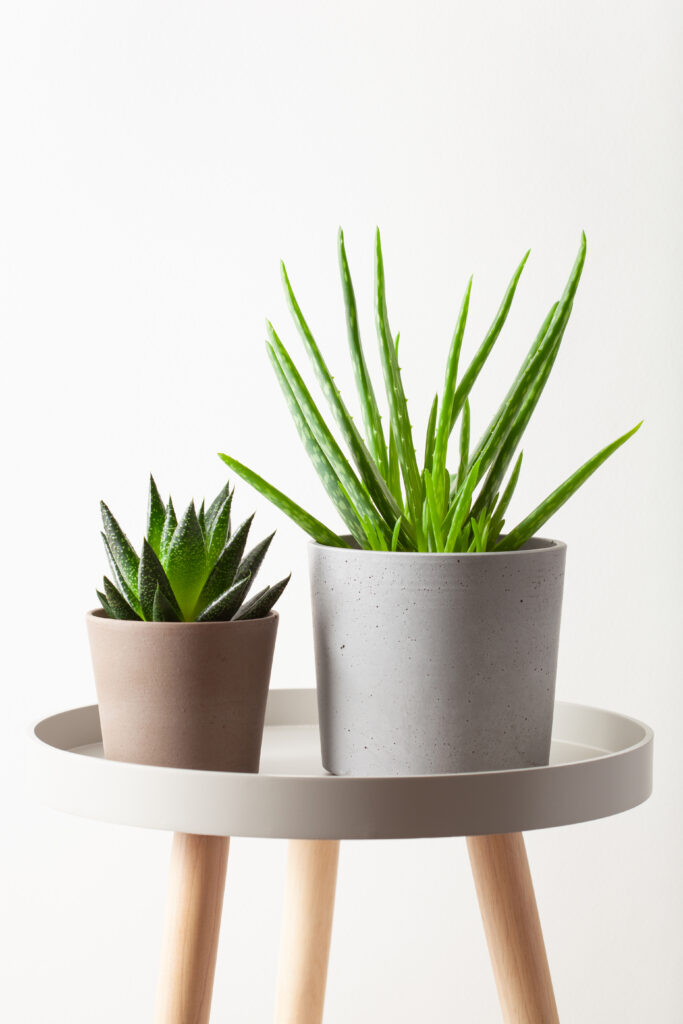
Aloe needs a fast-draining mix. Regular potting soil on its own usually holds too much moisture.
A simple mix works well:
- cactus or succulent mix
- or standard potting mix with extra perlite or coarse sand
The goal is to let water pass through quickly so the roots don’t sit in wet soil. Always use a pot with drainage holes. Aloe and soggy soil do not mix!
Temperature and Humidity
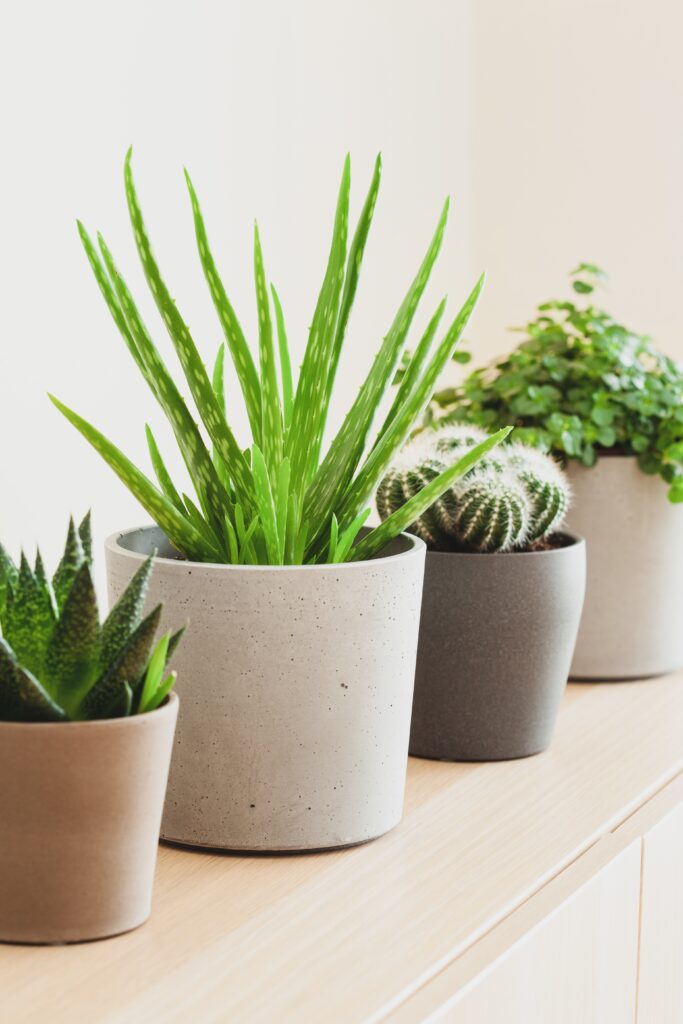
Aloe is very easygoing indoors as long as it’s kept warm. It prefers normal room temperatures and doesn’t need high humidity. In fact, dry air suits it just fine.
Just keep it away from:
- cold drafts
- air conditioners
- sudden temperature drops
If it’s comfortable for you, it’s usually fine for aloe too.
Fertilizing Aloe Vera
Aloe doesn’t need much feeding. During spring and summer, you can give it a light feed once a month using a diluted succulent or houseplant fertilizer.
In cooler months, skip feeding altogether. Too much fertilizer can do more harm than good, so keep it light!
When and How to Repot Your Aloe
Aloe grows slowly, but it will eventually outgrow its pot or produce offsets.
Signs it’s ready:
- roots filling the pot
- the plant becoming top-heavy
- baby plants crowding the base
When repotting, go up just one size. A pot that’s too large can hold extra moisture, which increases the risk of overwatering. Use fresh, well-draining soil and let the plant settle in before watering heavily.
Propagating Aloe Vera
Aloe is easy to propagate, but not in the way some people expect. It doesn’t grow well from leaf cuttings. Instead, it produces “pups” or baby plants at the base.
- Wait until a pup is a few inches tall and has its own roots.
- Gently remove it from the main plant, either by pulling it away or cutting it free.
- Let the base dry for a day if it’s freshly cut, then plant it into dry soil.
- Hold off watering for a few days while it settles, then water lightly.
Is Aloe Vera Safe for Pets?
No. Aloe vera is toxic to cats and dogs if eaten. If you have pets that like to chew plants, it’s best to keep aloe out of reach or choose a safer option.
Common Problems (and What to Watch For)
Soft, mushy leaves
This usually means the plant is getting too much water. Check the soil and let it dry out fully before watering again.
Leaves turning brown or red
A bit of color change can happen in strong light, but if it looks scorched or dry, move it slightly away from direct sun.
Thin or stretched growth
This is a sign it needs more light. Move it to a brighter spot and rotate it regularly.
Leaves wrinkling
This means the plant has used up its stored water and is ready for a drink. Give it a deep watering and it should plump back up.
Final Tips for Healthy Growth
A few simple habits keep aloe looking good:
- Let the soil dry out fully between watering
- Give it as much light as you can indoors
- Use a well-draining soil mix
- Don’t overdo the fertilizer
Aloe Vera Ideas and Inspiration
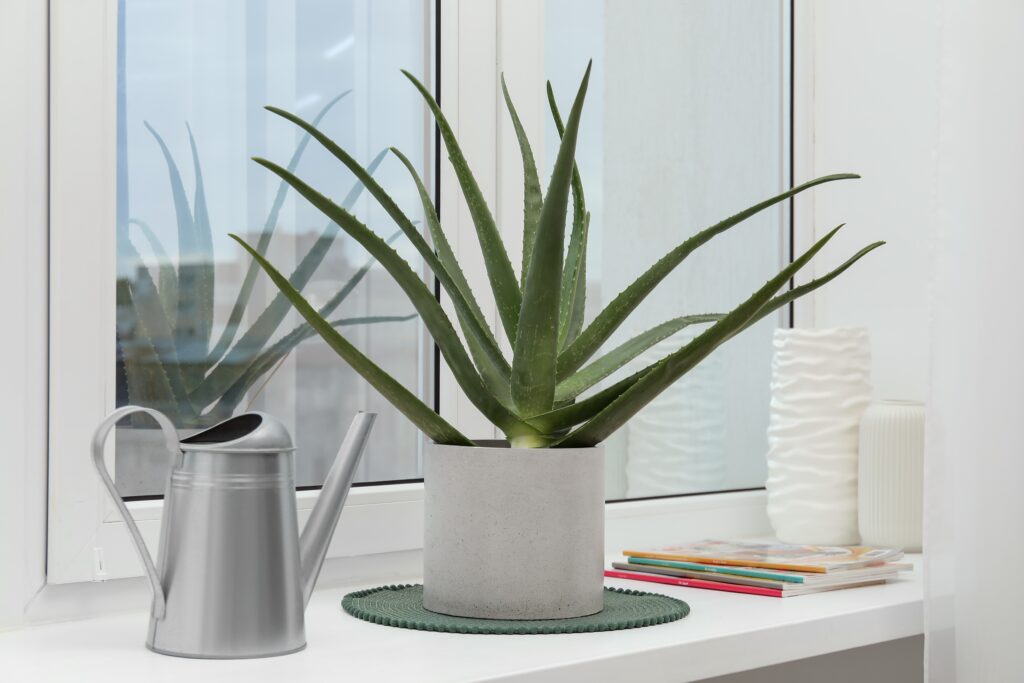
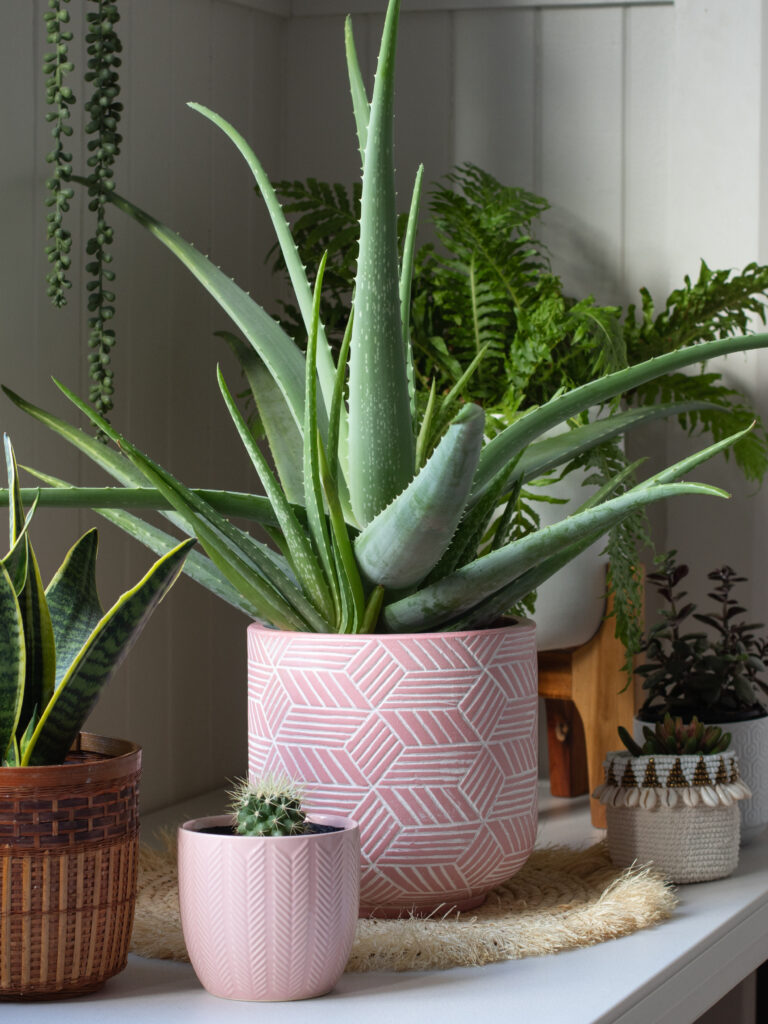
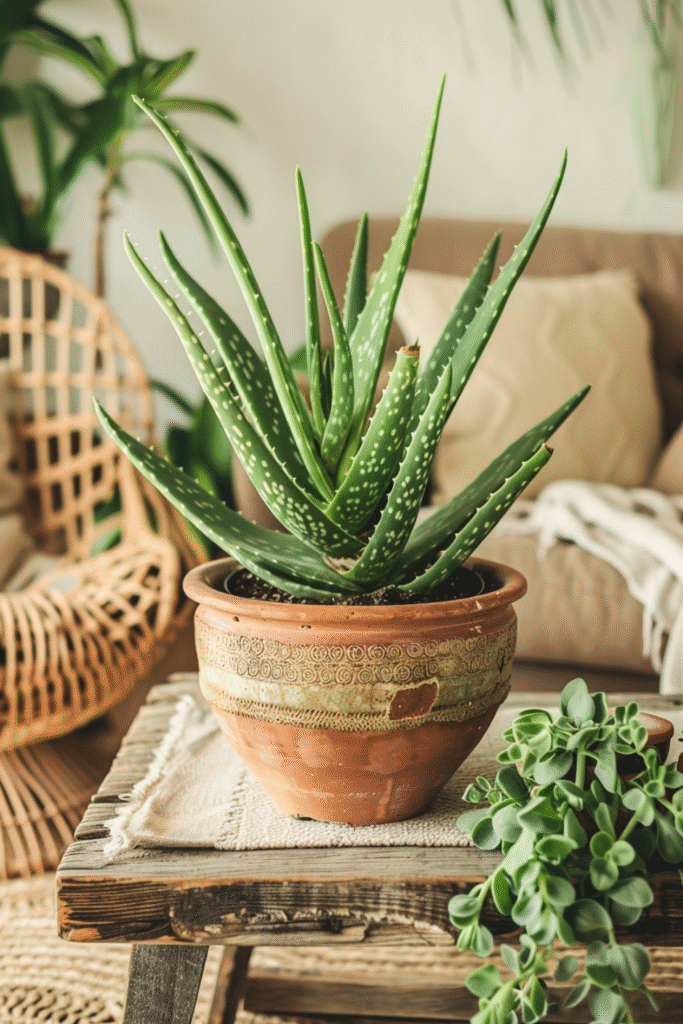
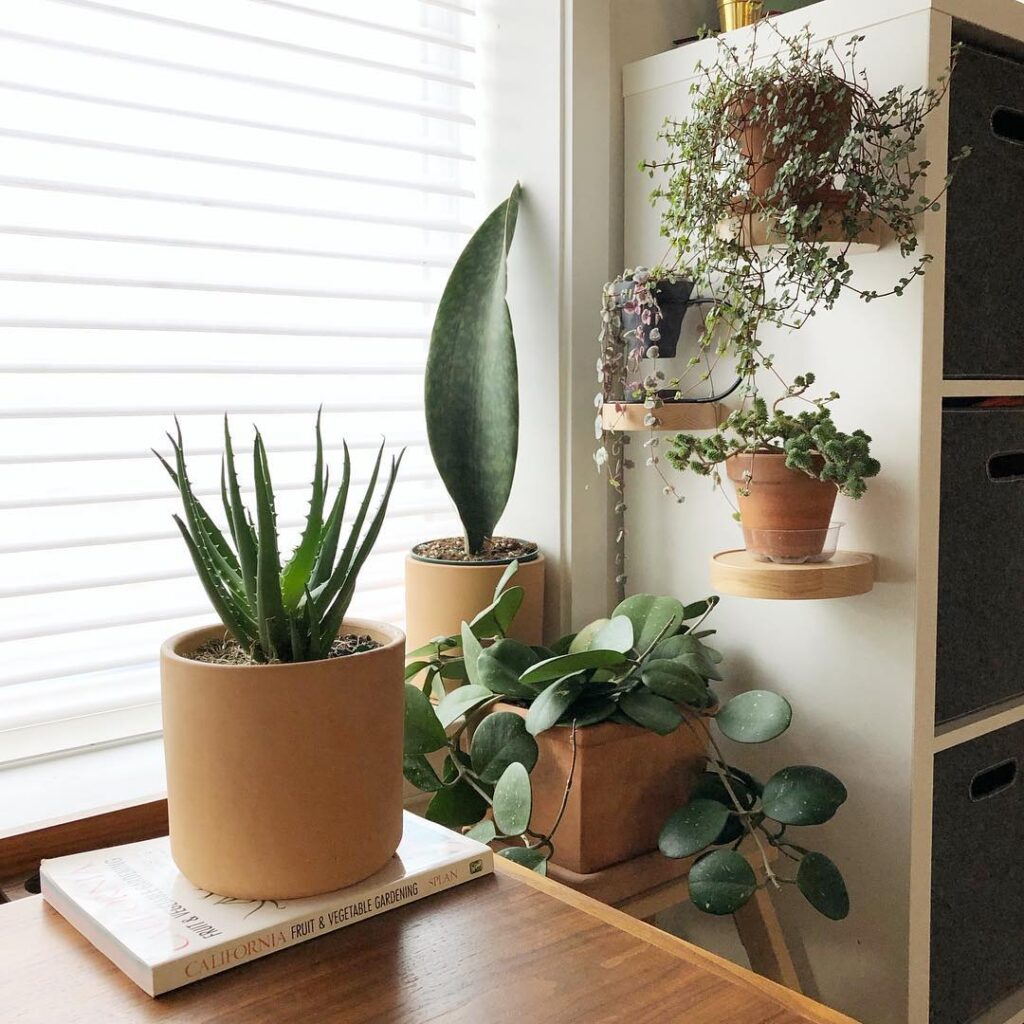
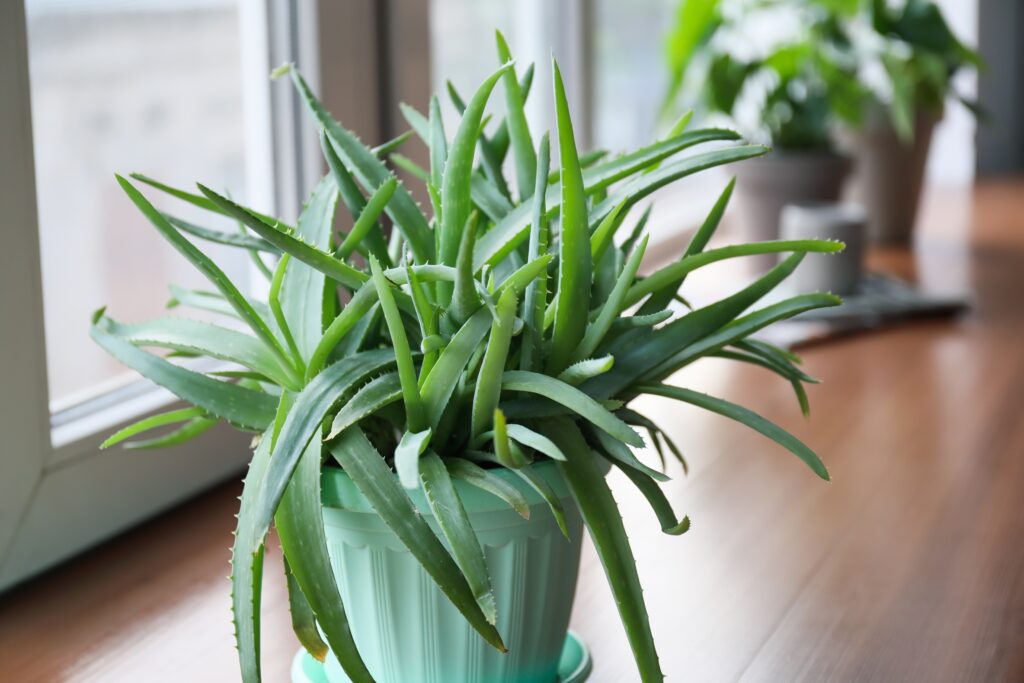
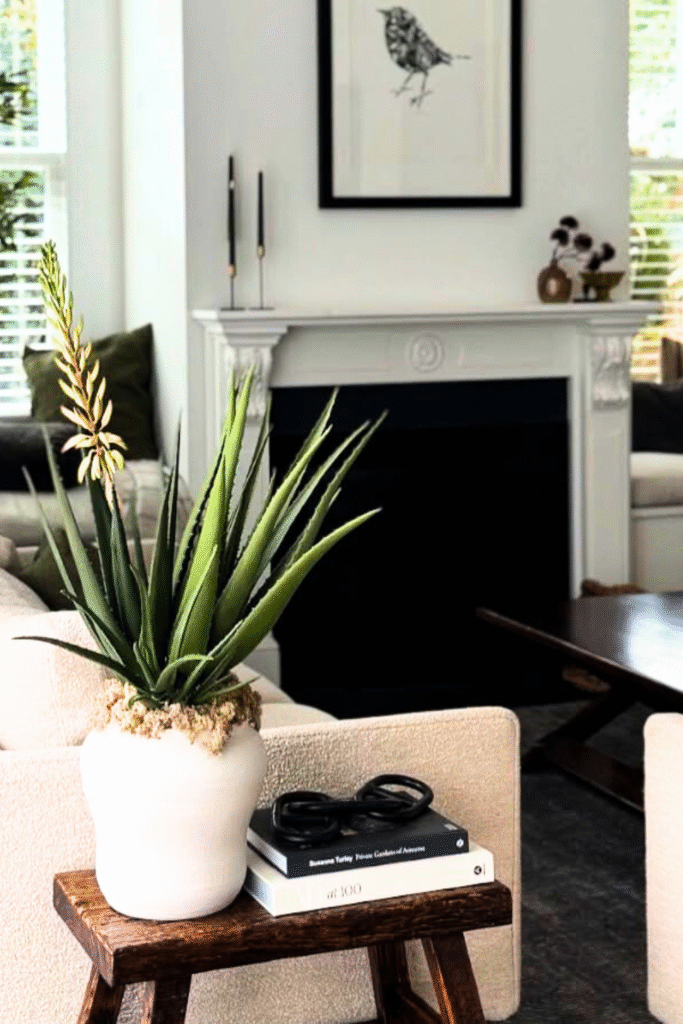

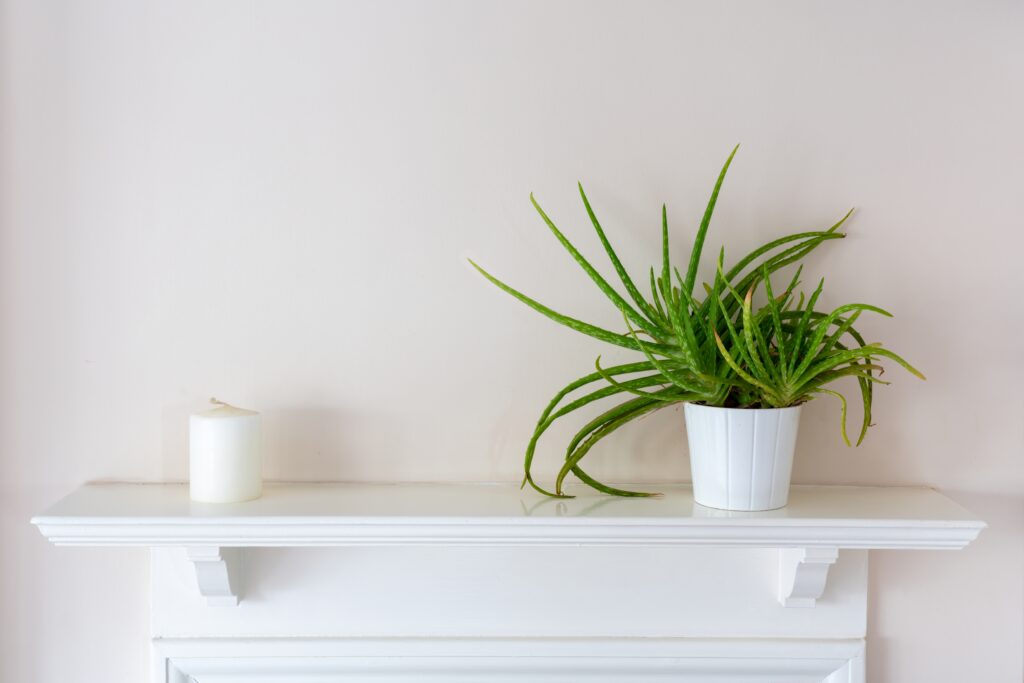
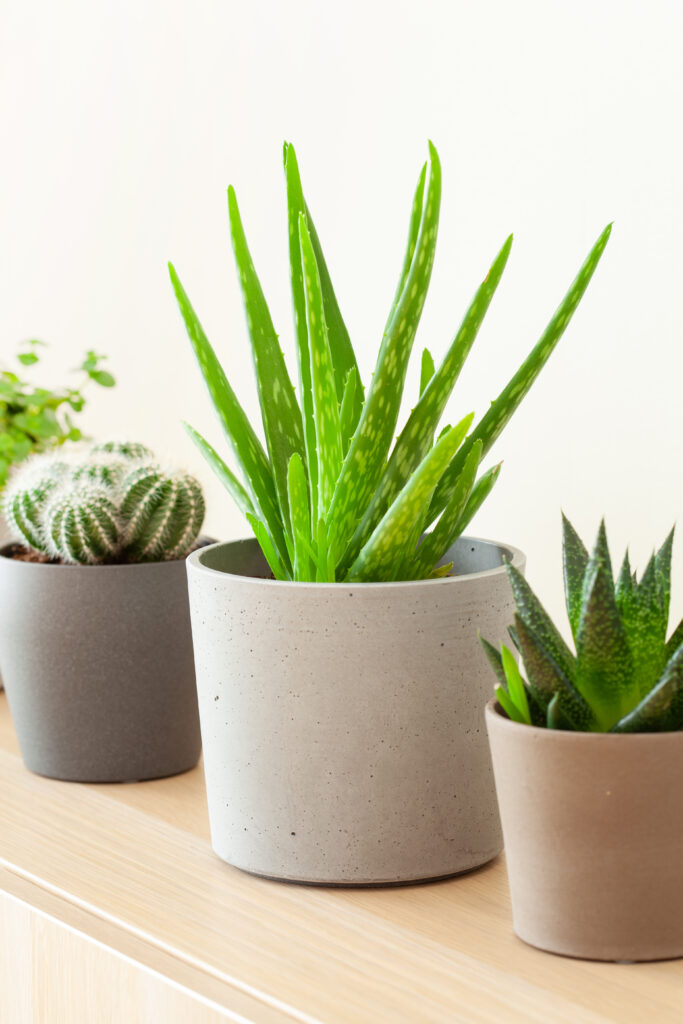
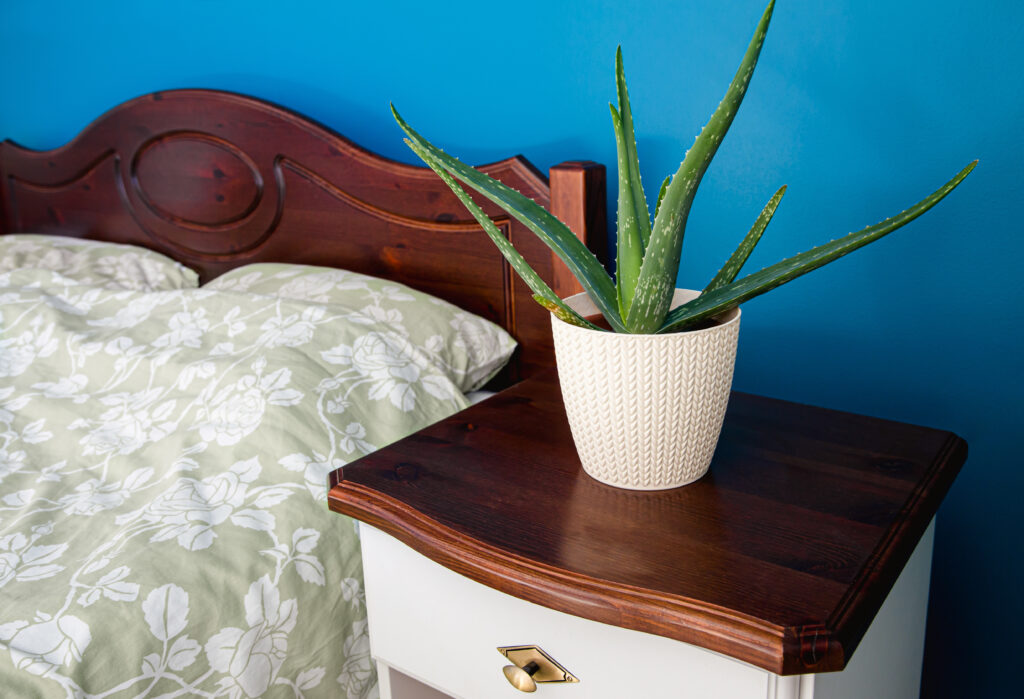
Aloe vera is one of the easiest plants to keep once you understand how it works. It doesn’t need constant attention, and it handles a bit of neglect without falling apart.
Give it light, go easy on the watering, and it will sit quietly doing its thing for years.