Obsessed With Monsteras? These 15 Types Will Steal Your Heart
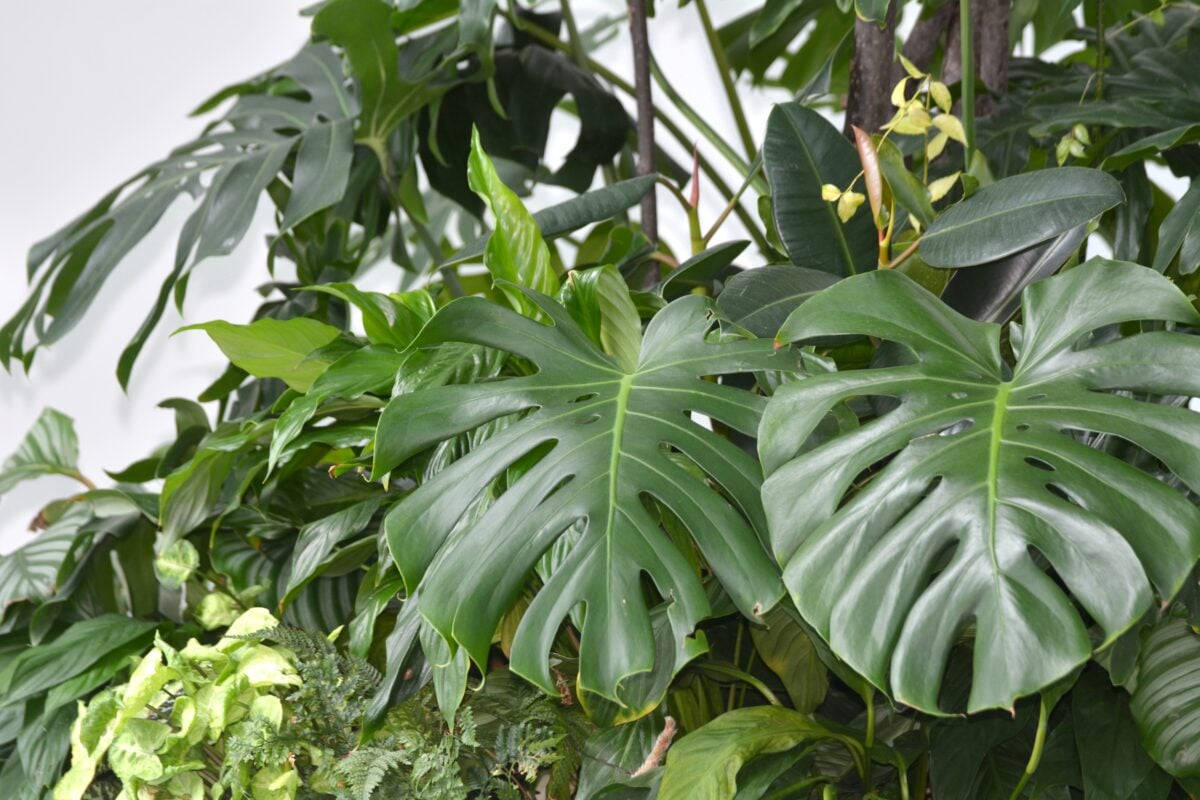
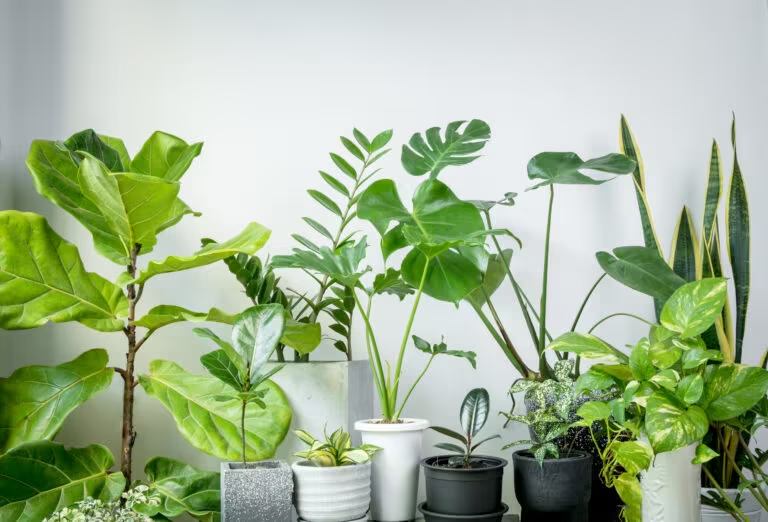
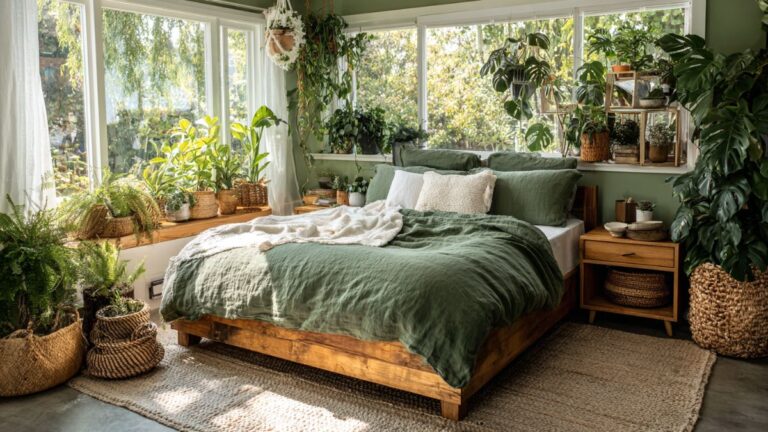
Monsteras have a way of turning an ordinary room into something special. With their bold leaves and tropical feel, they instantly create that lush, indoor jungle look so many plant lovers adore. While Monstera deliciosa (the Swiss Cheese plant) is the most recognizable, there are actually many beautiful varieties to explore!
Whether you’re just starting your Monstera plant journey or looking to expand your collection, here are some of the most stunning Monstera types you can grow indoors.
1. Monstera deliciosa (Swiss Cheese Plant)
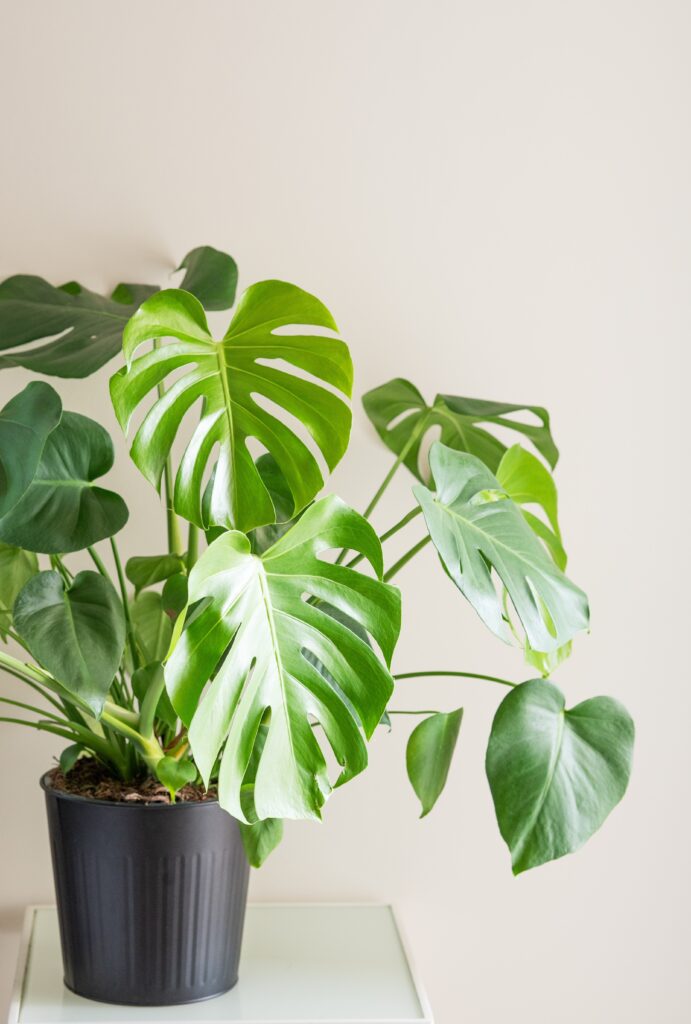
The classic and most widely grown Monstera. Its large, glossy leaves develop dramatic splits and holes (known as fenestrations) as the plant matures.
Why you’ll love it:
- Fast-growing and forgiving
- Makes a bold statement in any room
- Perfect for beginners
Monstera deliciosa loves a brightly lit position, but keep it away from direct sunlight. You can let it spill over the sides of the pot or provide a moss pole for larger leaves.
2. Monstera deliciosa ‘Variegata’ (Albo Variegata)
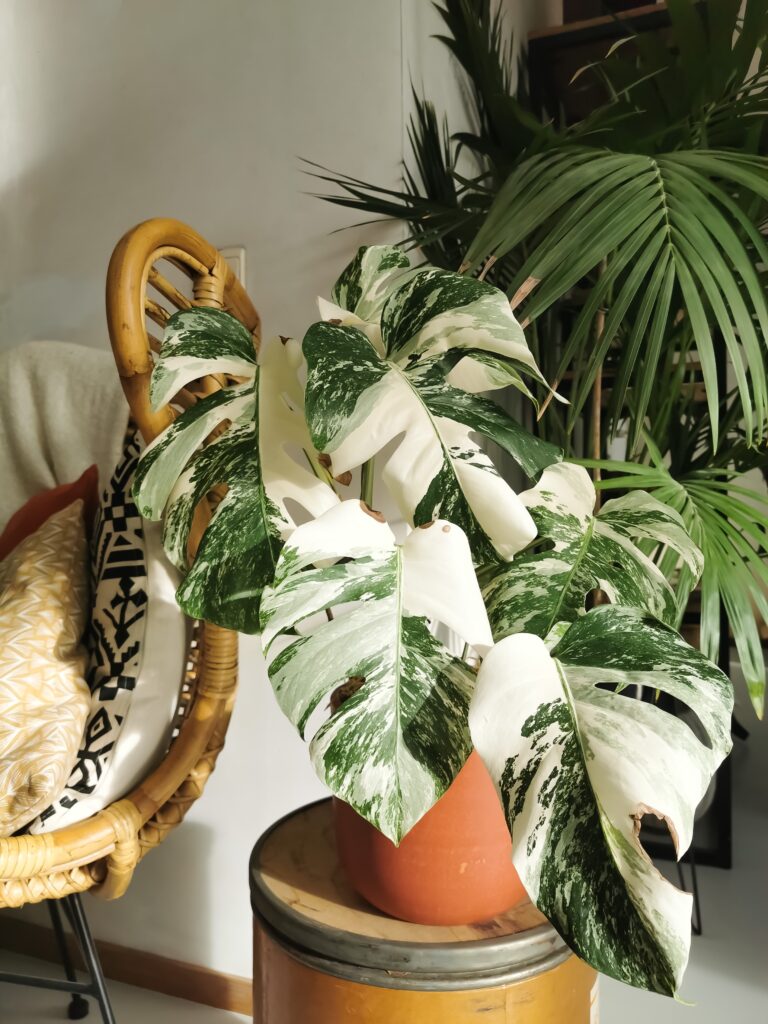
Monstera Albo is a collector’s favorite, and for good reason! This Monstera variety features stunning white variegation across its leaves. Each leaf is unique, making it highly sought after.
Why you’ll love it:
- Striking, one-of-a-kind foliage
- Highly decorative and rare
Monstera Albo needs brighter light than the standard deliciosa to maintain its variegation.
3. Monstera deliciosa ‘Thai Constellation’
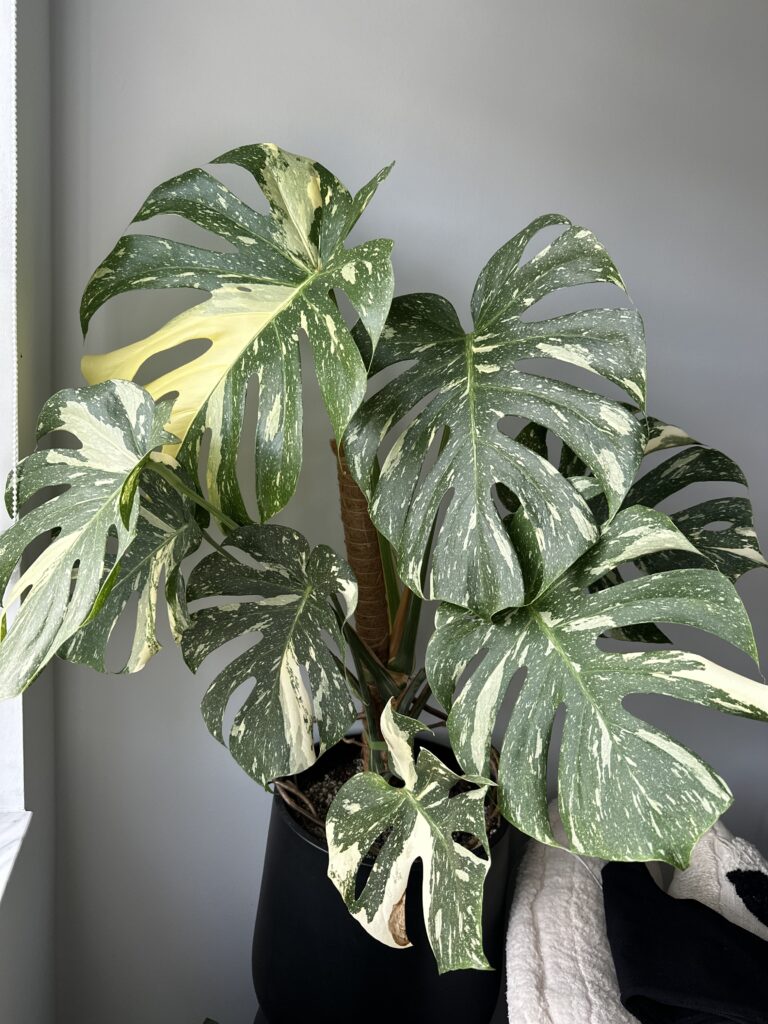
Unlike Monstera Albo, the Thai Constellation has creamy, speckled variegation that is stable and consistent across the plant.
Why you’ll love it:
- More predictable variegation
- Slower growing but easier to maintain than Albo
Avoid overwatering this gorgeous Monstera, as it is more prone to root rot than some of the other varieties.
4. Monstera adansonii
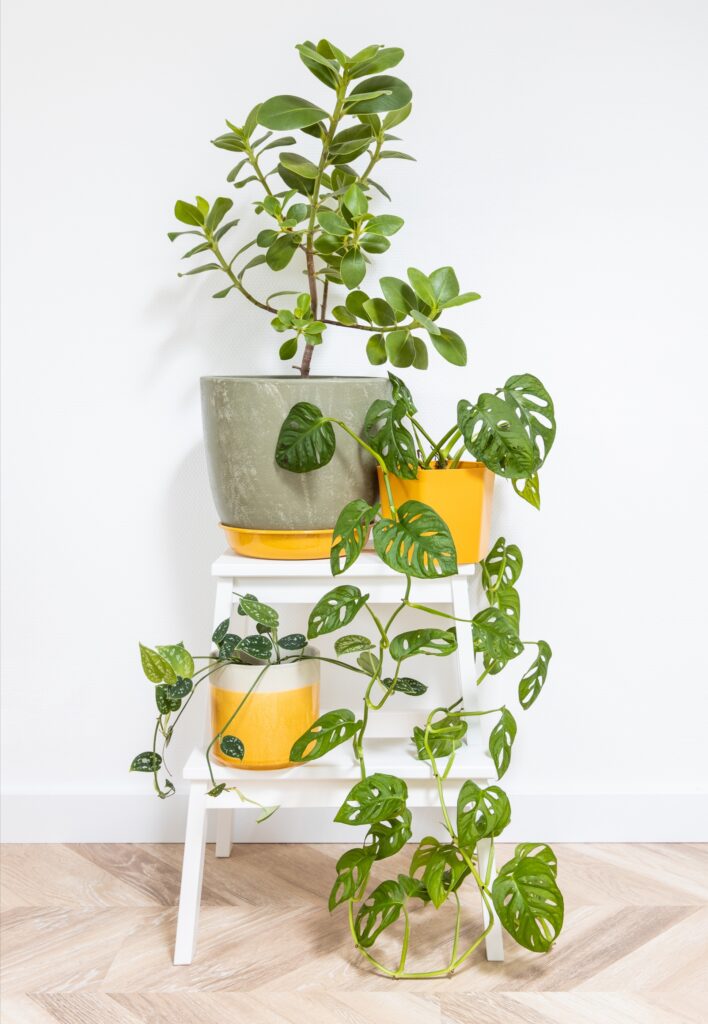
This is my favorite! It’s often called the “Swiss Cheese Vine,” and it has smaller, thinner leaves with numerous holes and a trailing or climbing habit.
Why you’ll love it:
- Perfect for shelves or hanging planters
- Adds a delicate, airy feel
You can let it tumble over the side of the pot or provide support for larger leaves and fuller growth. They’re super easy to propagate, so why not have one of each!
5. Monstera deliciosa ‘Half Moon’
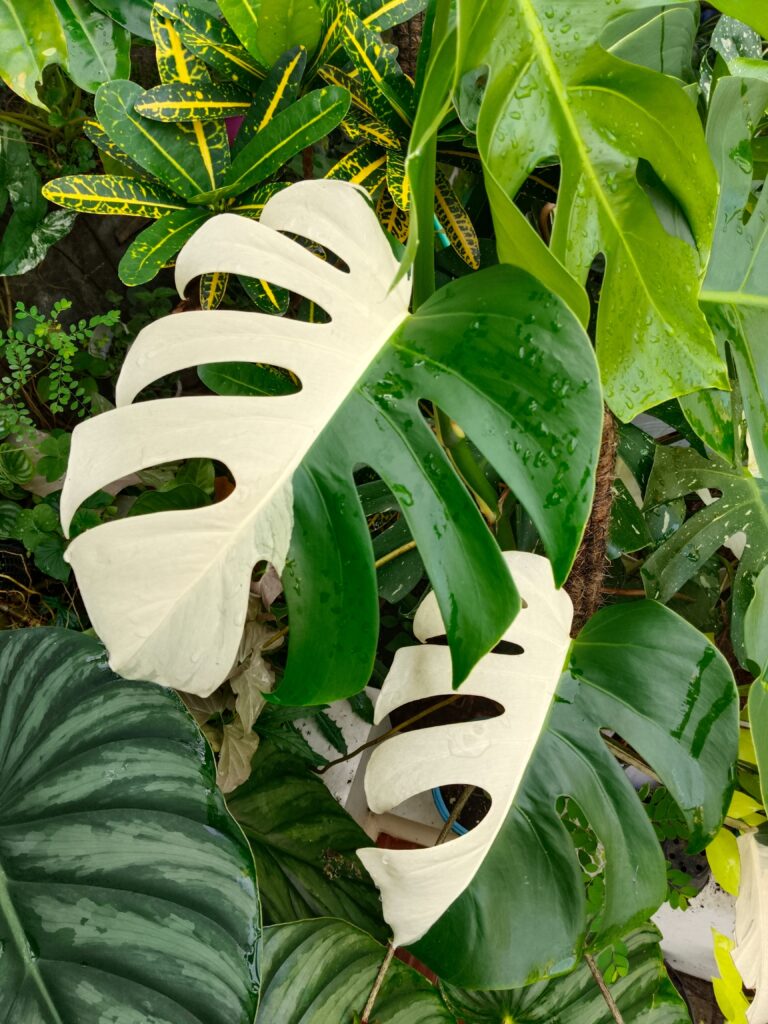
Monstera ‘Half Moon’ is one of the most striking monstera types, known for its dramatic leaves that are split between deep green and pure white. Each leaf is unique, giving the plant a bold, statement look that’s especially popular with collectors.
It isn’t a separate species but a naturally occurring variegation pattern most often seen in Monstera deliciosa ‘Albo Variegata.’ Because the white areas lack chlorophyll, this variety tends to grow more slowly and benefits from bright, indirect light to stay healthy.
Why you’ll love it:
- Eye-catching half-green, half-white foliage
- Each leaf is completely unique
- A beautiful statement plant for indoor spaces
Provide bright, indirect light and avoid direct sun, which can scorch the white portions of the leaves.
6. Monstera dubia
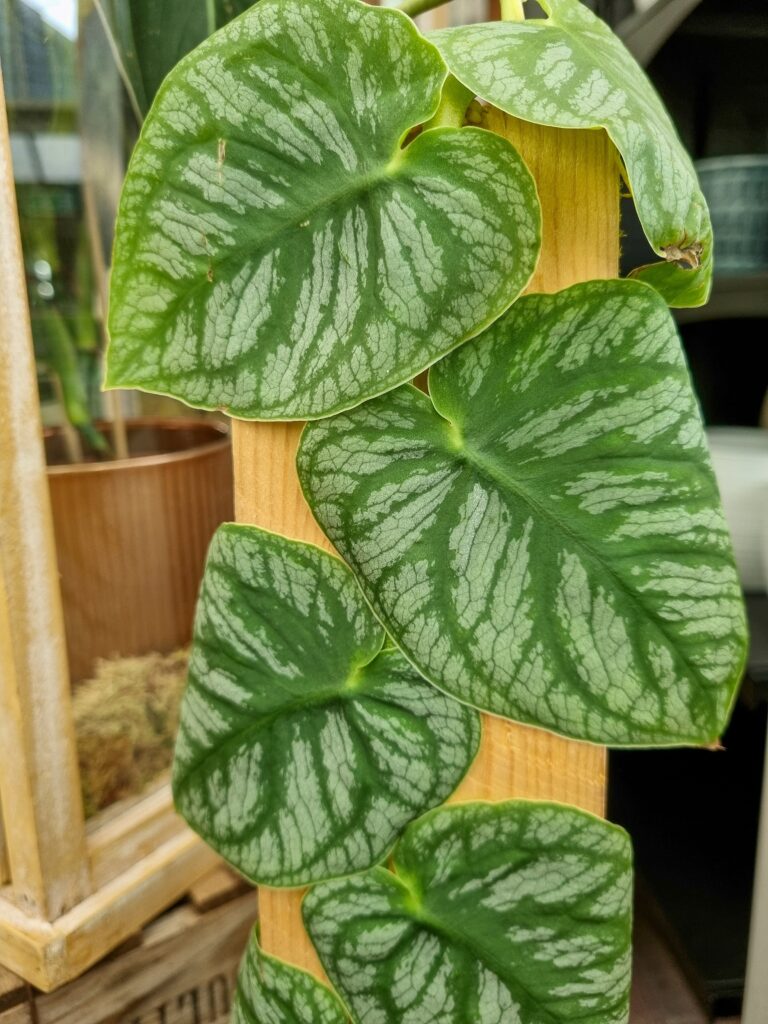
This fascinating “shingling” Monstera climbs flat against a surface, with juvenile leaves that hug the support.
Why you’ll love it:
- Unique growth habit
- Beautiful silver and green patterning
Provide a wooden board or moss pole for it to climb.
7. Monstera standleyana
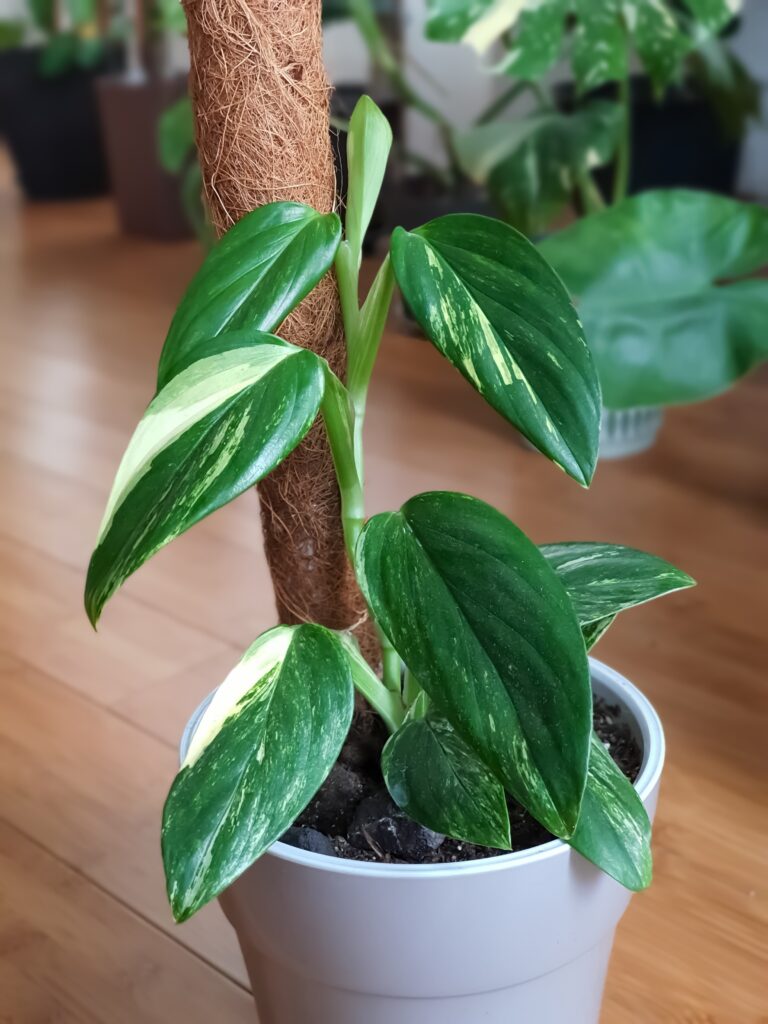
Often mistaken for a philodendron, this plant features elongated leaves with cream or yellow variegation.
Why you’ll love it:
- Elegant, understated look
- Compact and easy to manage
8. Monstera siltepecana
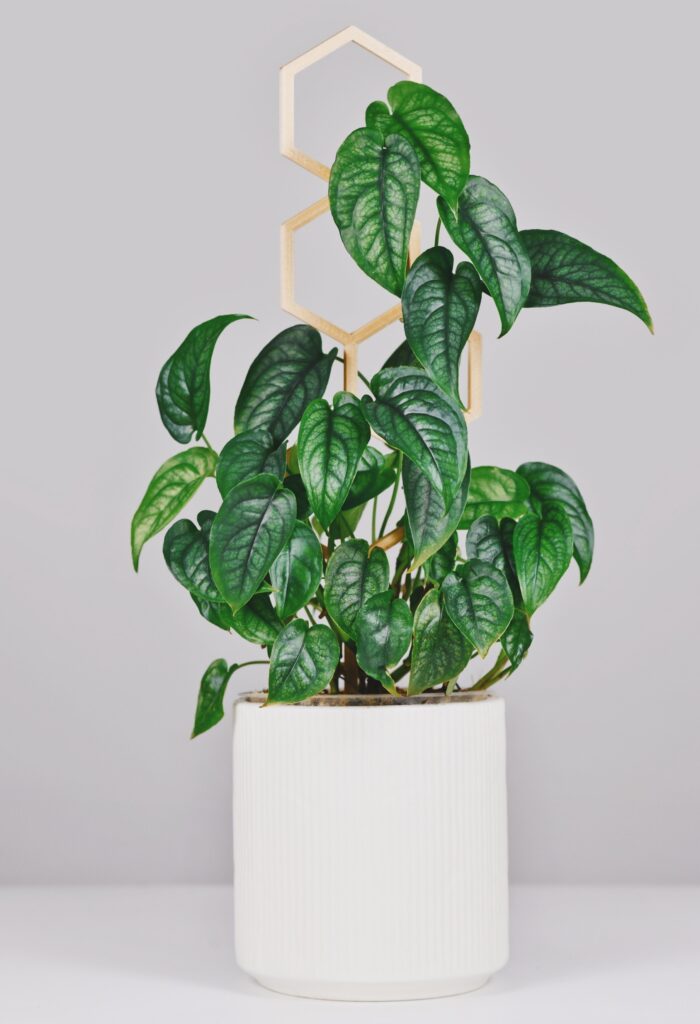
Known for its silvery juvenile foliage, this variety transforms as it matures, developing fenestrations.
Why you’ll love it:
- Beautiful metallic sheen
- Interesting transformation over time
9. Monstera peru (M. karstenianum)
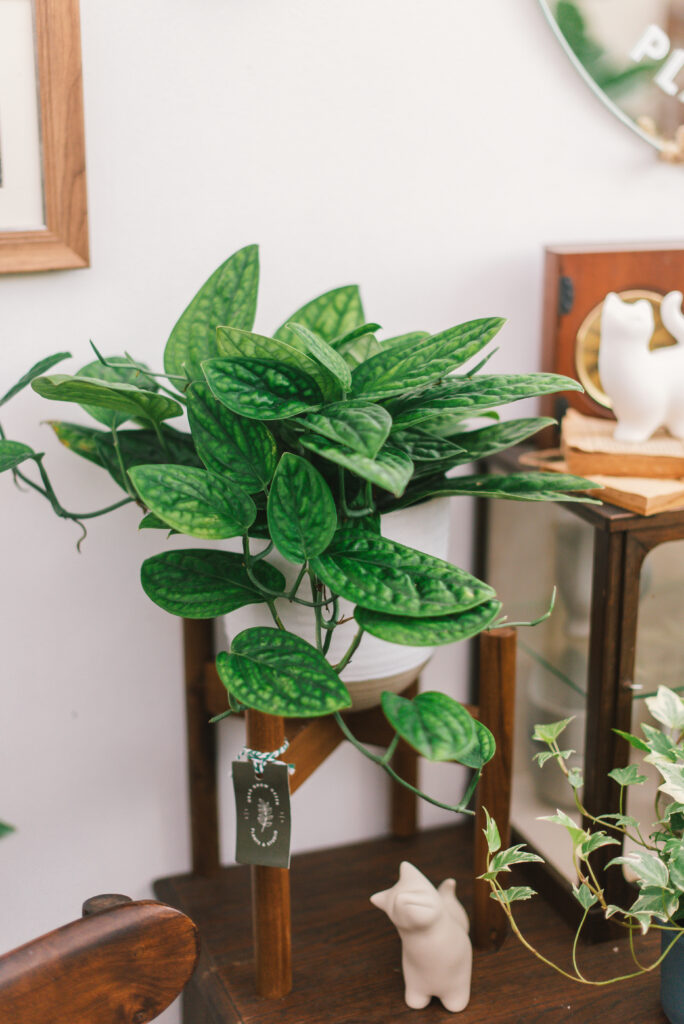
This variety has thick, textured leaves without fenestrations, giving it a completely different look from other Monsteras.
Why you’ll love it:
- Unique, deeply ridged foliage
- Compact and easy to grow
10. Monstera pinnatipartita
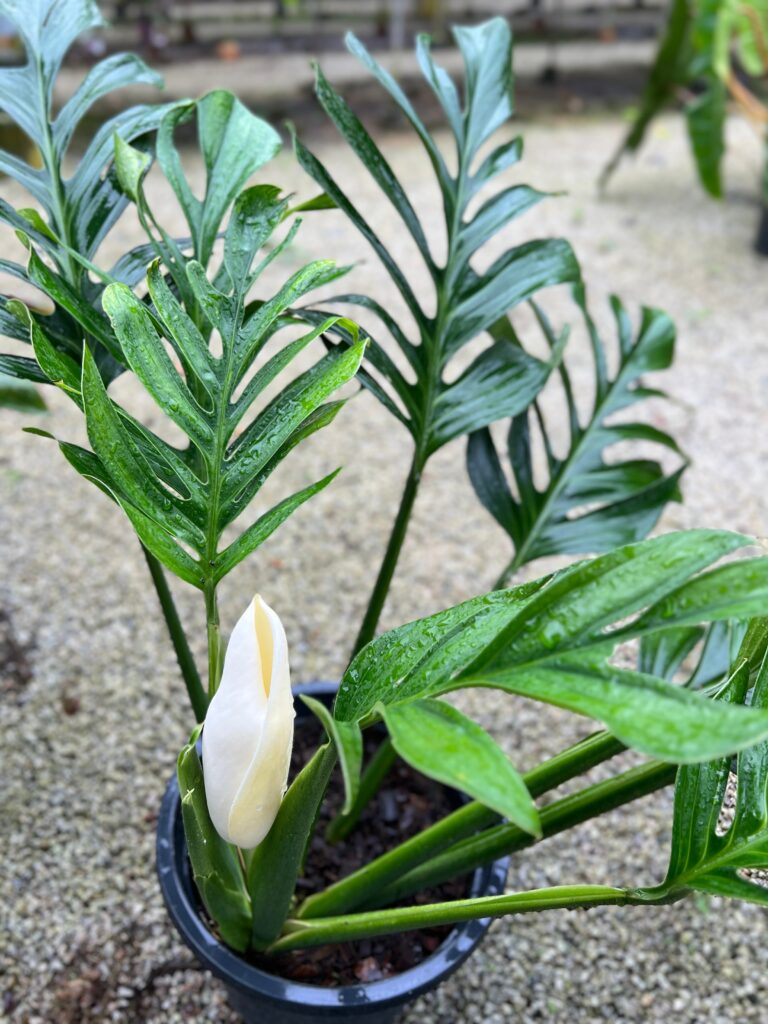
A stunning species with deeply split leaves as it matures, creating a dramatic tropical appearance.
Why you’ll love it:
- Eye-catching mature foliage
- Perfect for collectors
11. Monstera lechleriana
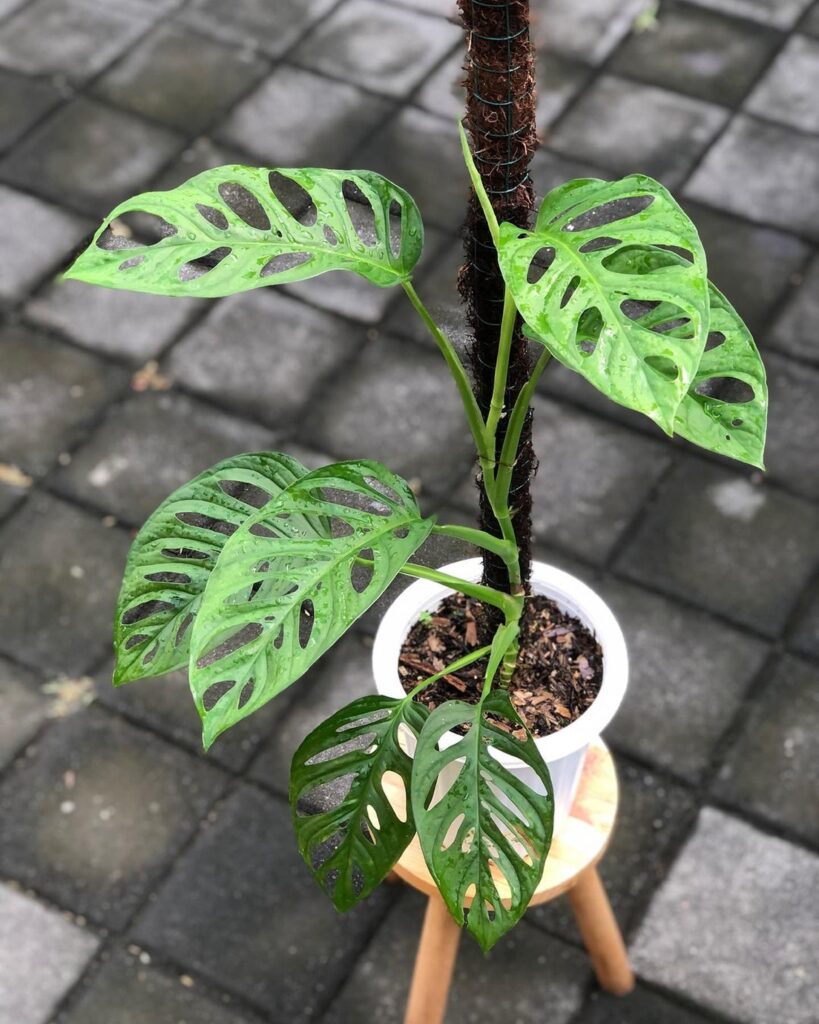
This species resembles Monstera adansonii but grows larger leaves with fewer, more elongated holes.
Why you’ll love it:
- Elegant and less common
- Great for climbing displays
12. Monstera obliqua
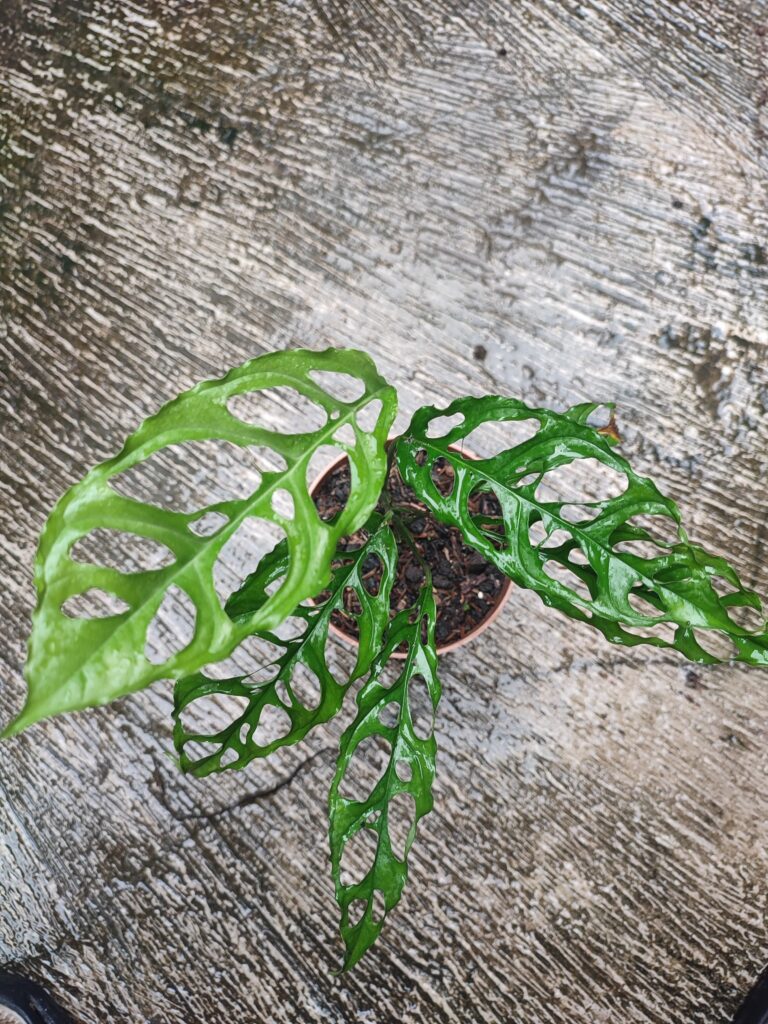
Often confused with Monstera adansonii, true obliqua is extremely rare and known for its delicate, lace-like leaves.
Why you’ll love it:
- Highly collectible
- Unique, almost translucent foliage
Note: Many plants sold as obliqua are actually adansonii. Keep an eye out for that very delicate foliage!
13. Monstera acuminata
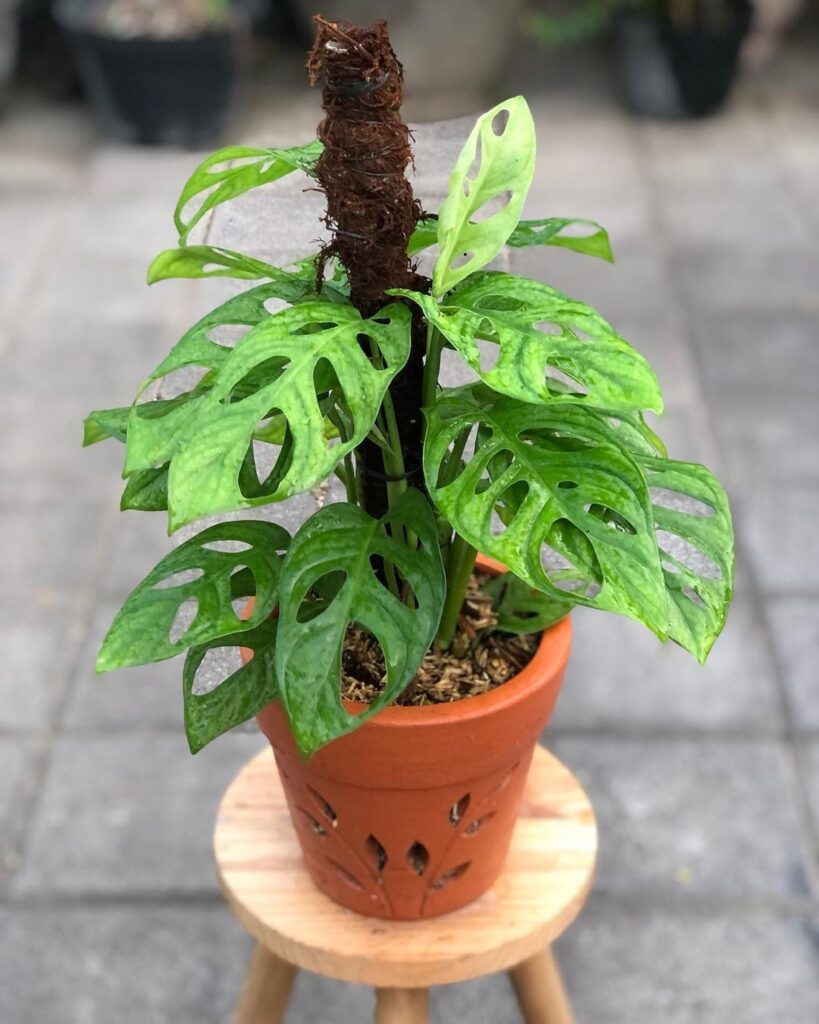
A compact climbing species with smaller leaves, ideal for those with limited space.
Why you’ll love it:
- Manageable size
- Great for indoor collections
14. Monstera minima (Rhaphidophora tetrasperma)
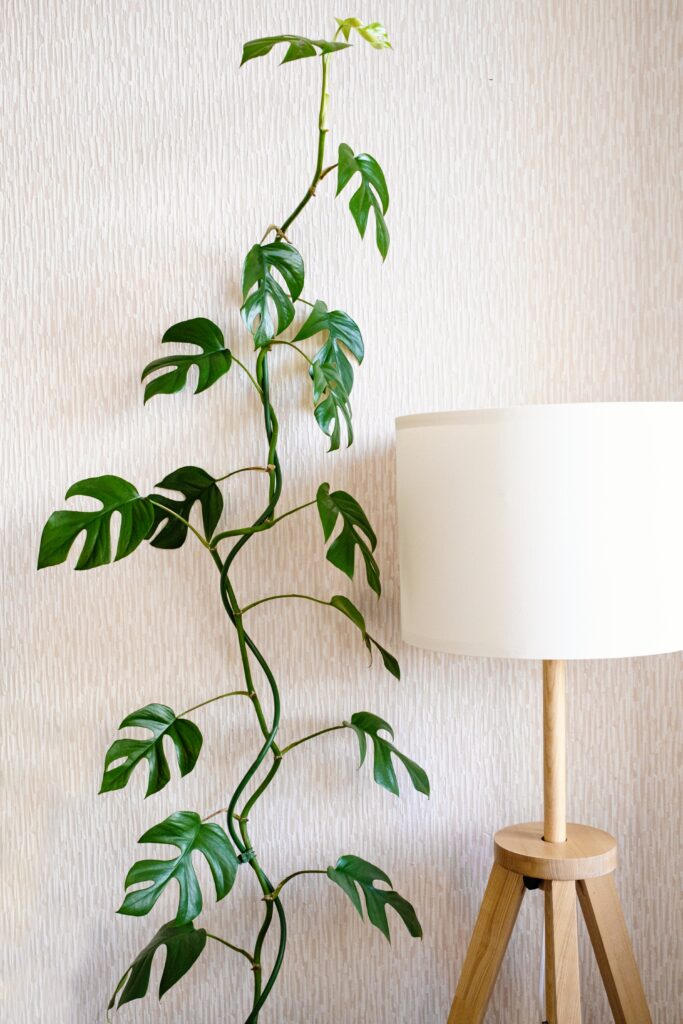
While not a true Monstera, it’s often grouped with them due to its similar appearance and is loved for its fast growth and split leaves.
Why you’ll love it:
- Fast-growing
- Perfect for smaller homes
15. Monstera deliciosa ‘Aurea’
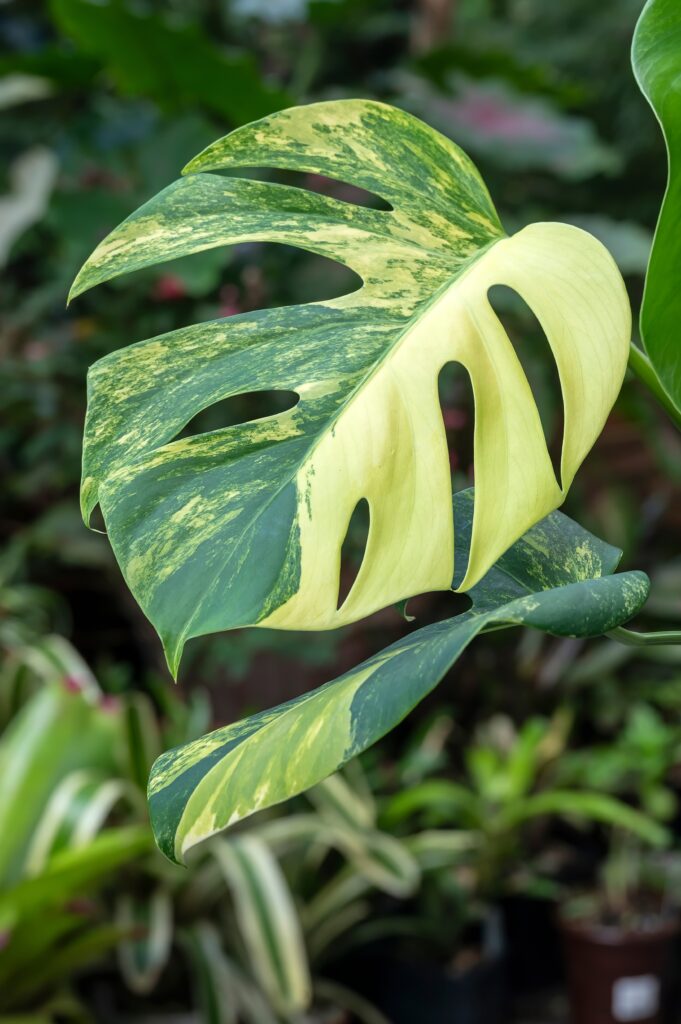
A rarer variegated form featuring golden-yellow splashes across the leaves.
Why you’ll love it:
- Warm-toned variegation
- Highly sought after by collectors
Choosing the Right Monstera for Your Home
When you’re selecting the perfect Monstera variety for you, consider:
- Space: Larger species like Monstera deliciosa need room to grow. These plants can get big!
- Light: Variegated types require brighter conditions.
- Experience level: If you’re new to houseplants, start with easier, more forgiving varieties such as Monstera deliciosa, Monstera adansonii, or Rhaphidophora tetrasperma (often called Monstera minima). These adapt well to typical indoor conditions and are less demanding than rarer collector types.
- Budget: Rare varieties can be significantly more expensive.
Care Basics for Most Monstera Types
Although each variety has its quirks, most Monsteras thrive under similar conditions:
- Light: Bright, indirect sunlight
- Water: Allow the top layer of soil to dry between waterings
- Humidity: Prefers moderate to high humidity
- Soil: Well-draining, chunky mix
- Support: Many varieties benefit from climbing structures
Check out my Monstera Plant Care 101 article for in-depth growing tips!
You Won’t Stop At One
Exploring different Monstera types is a wonderful way to bring personality and lush greenery into your home. Whether you stick with the classic Monstera deliciosa or branch out into rarer varieties, each one offers something unique.
Start with a variety that suits your space and experience level, and before long, you may find yourself adding just one more to the collection.