Spider Plant Care 101: Easy Tips for Happy, Thriving Plants
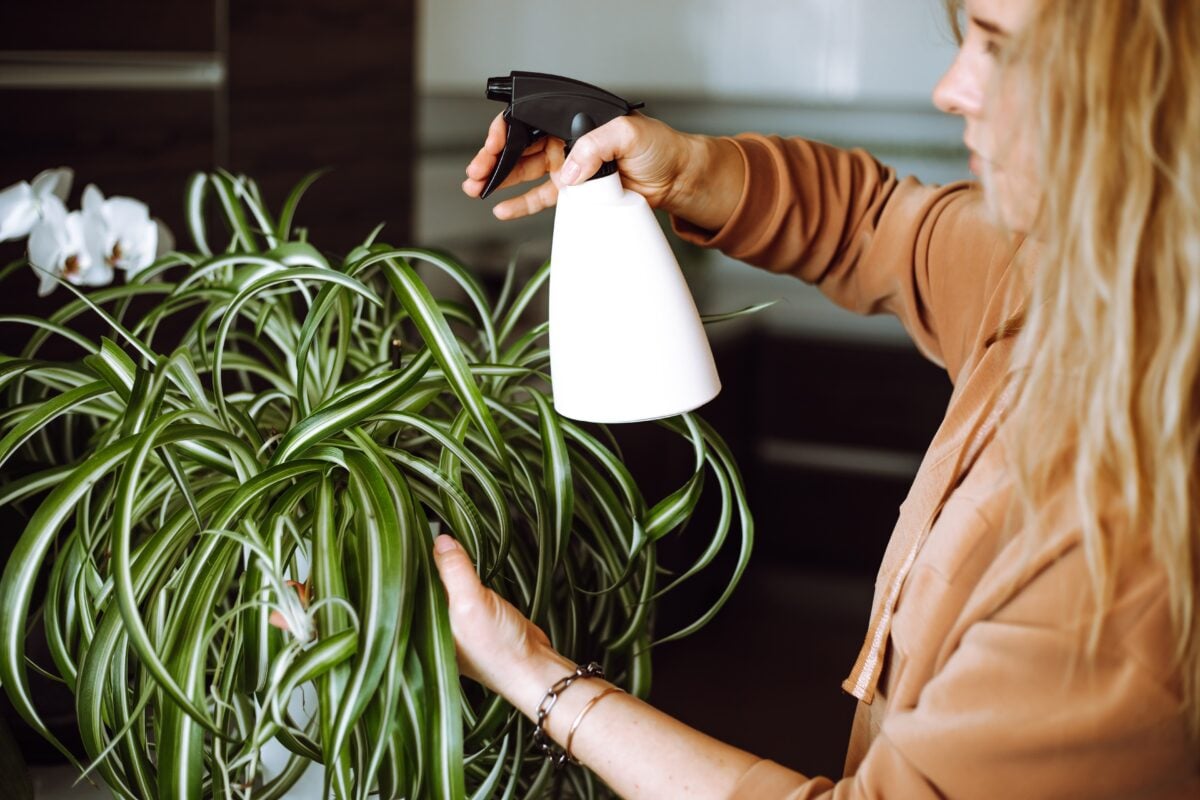
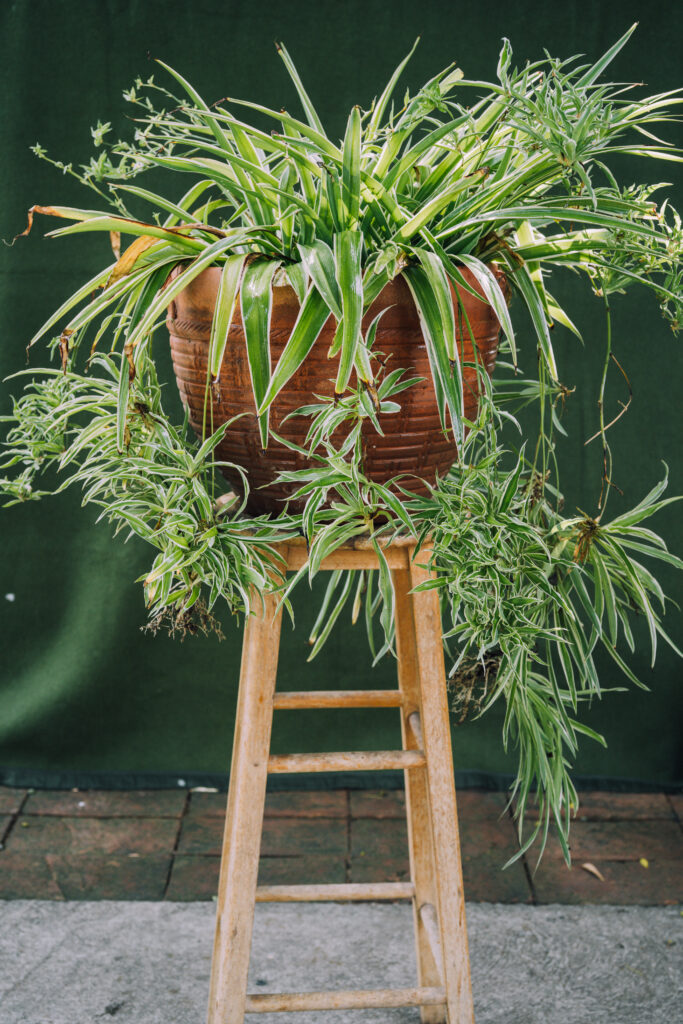
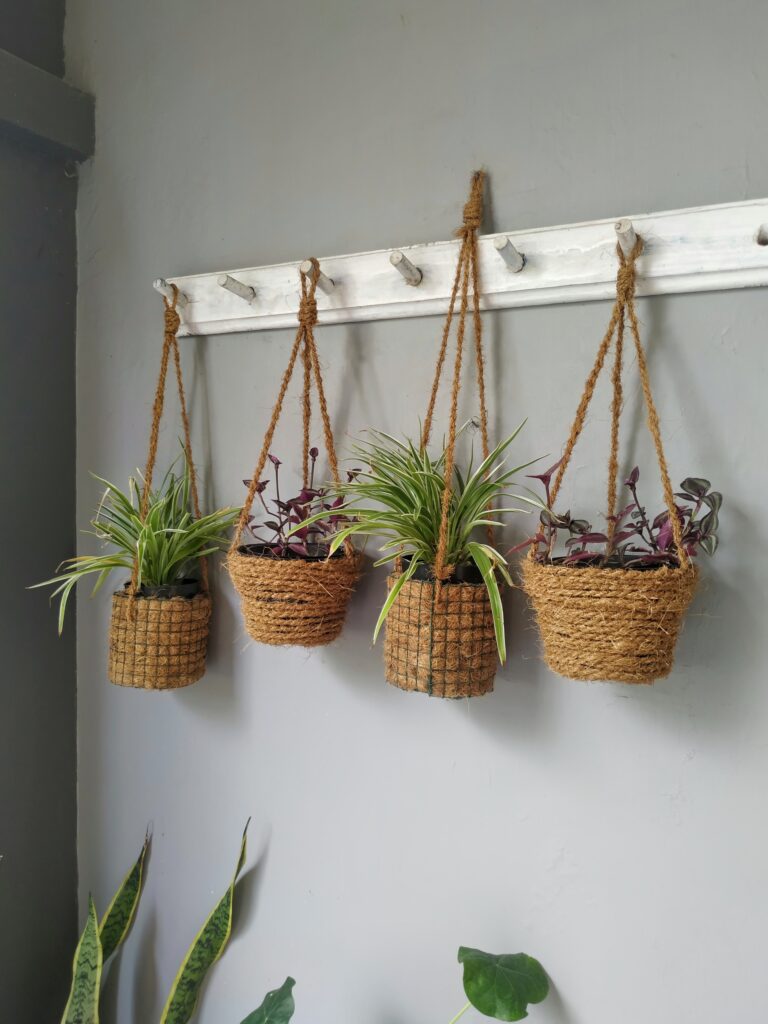
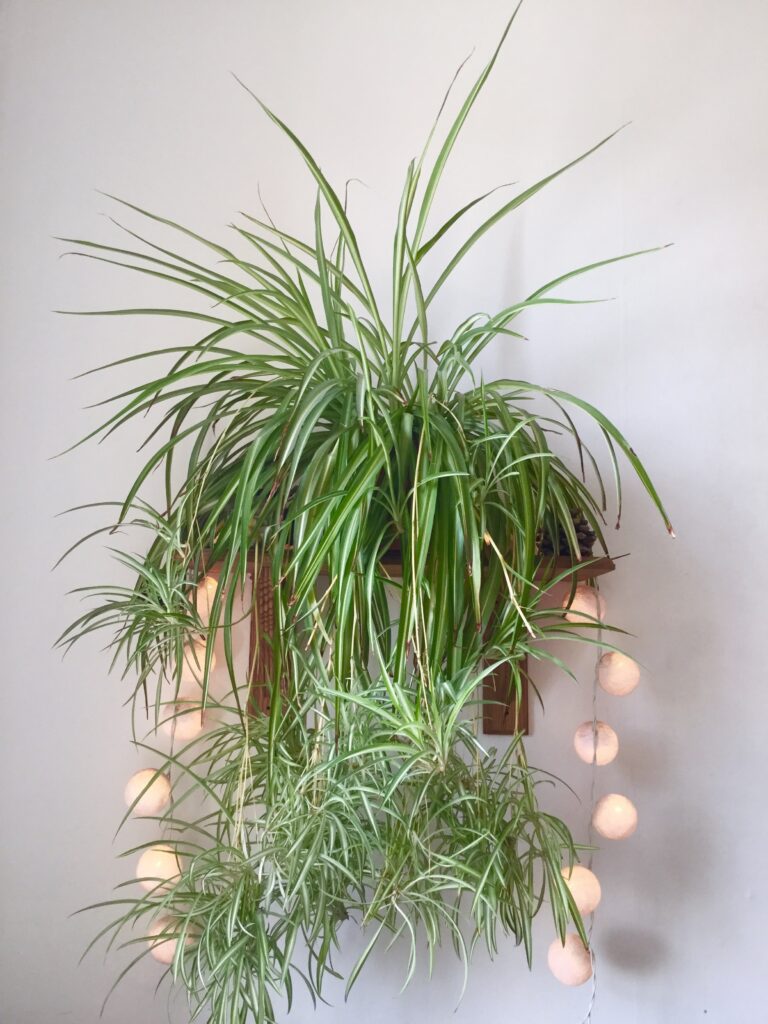
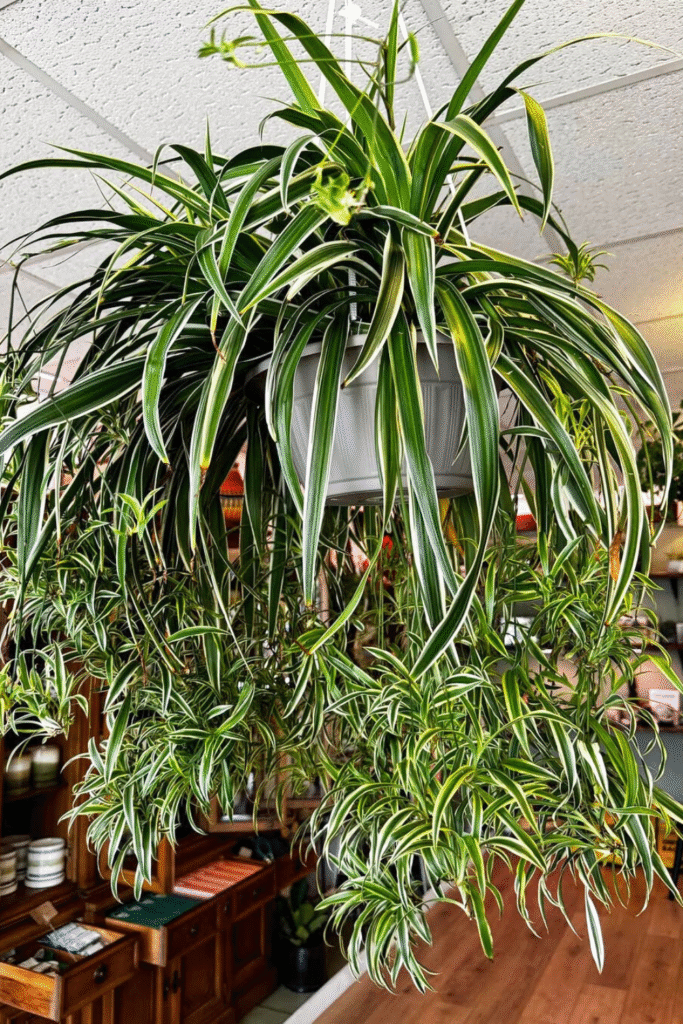
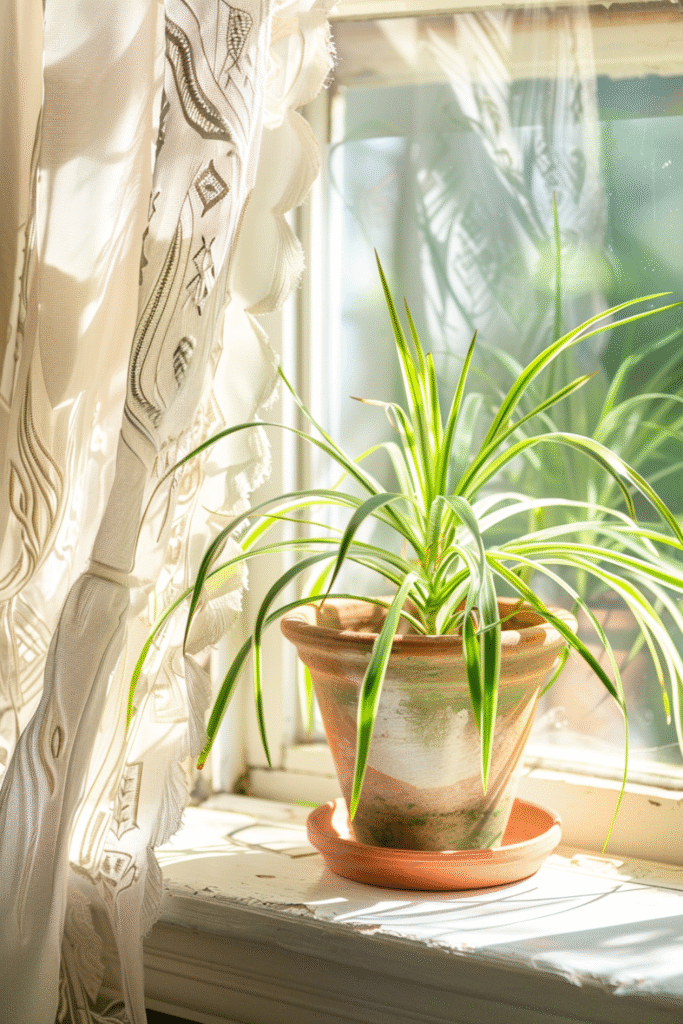
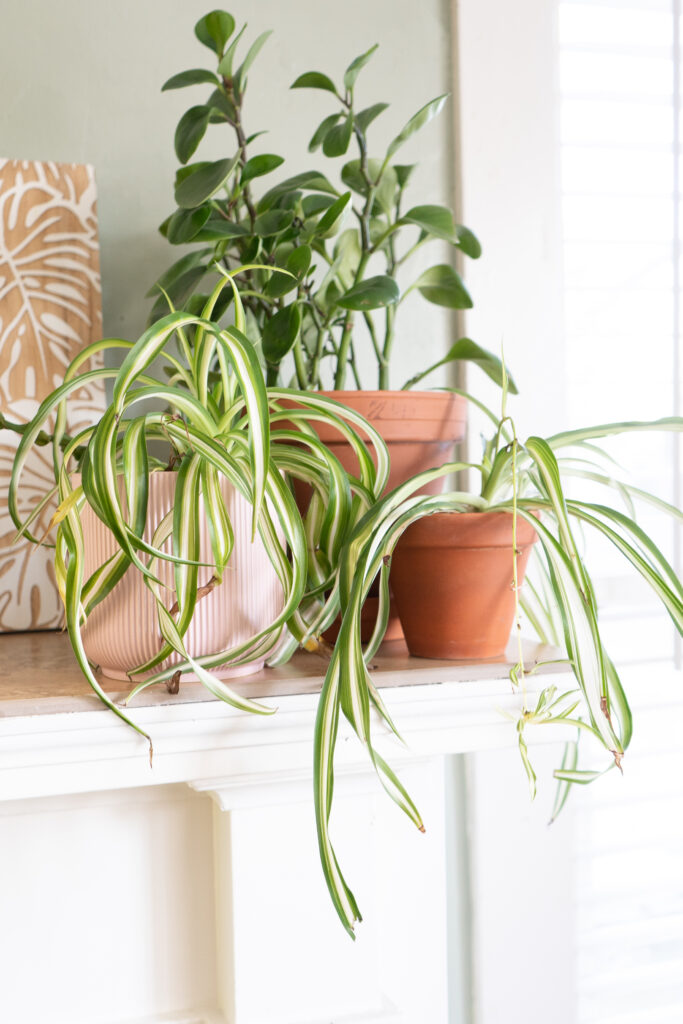
Spider plants have a cheerful way of brightening up a room. With their arching green-and-white leaves and playful baby plantlets dangling from long stems, they bring a sense of movement and life to any space. While they look delicate, spider plants are wonderfully forgiving and easy to care for, making them a perfect choice for beginners.
And once your spider plant has settled into its new home, it’s simple to keep it growing and looking gorgeous. Here are my top growing tips to help you get started.
What Is a Spider Plant?
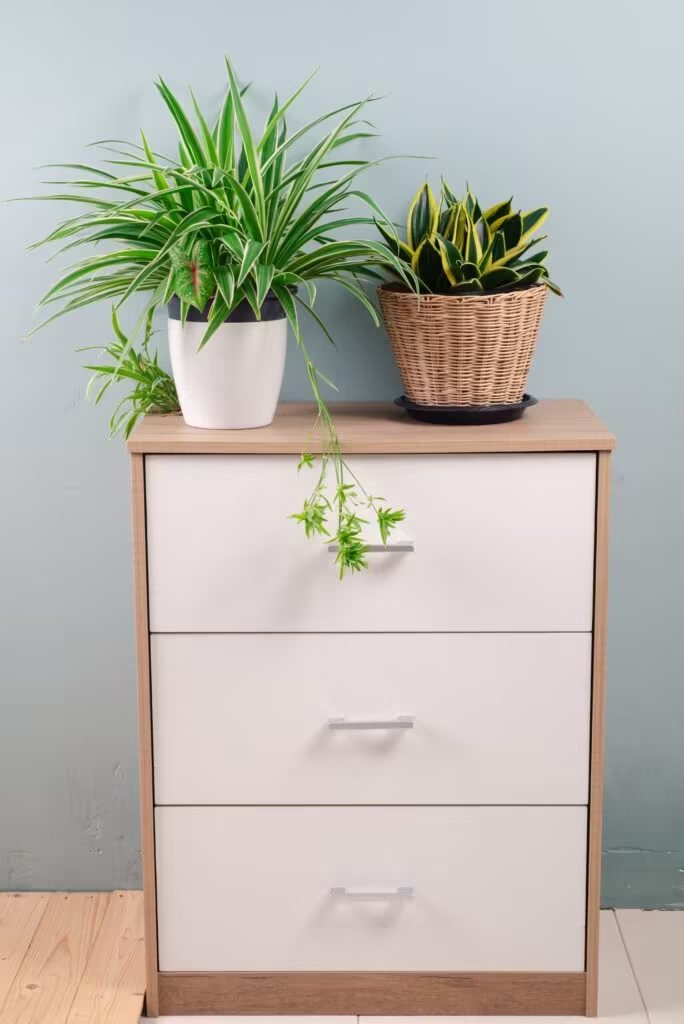
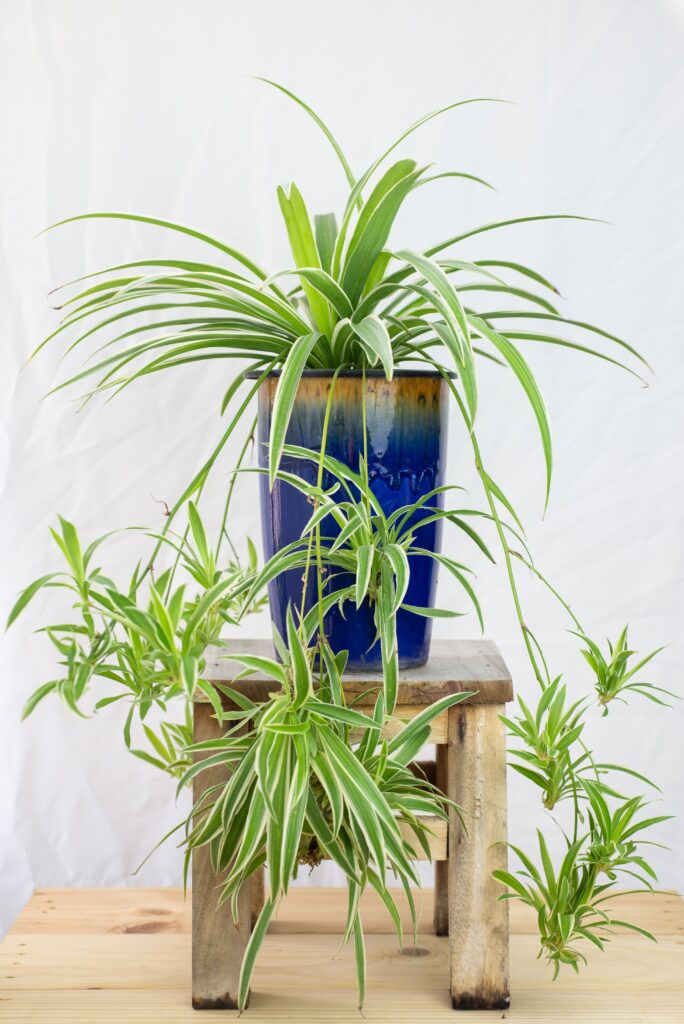
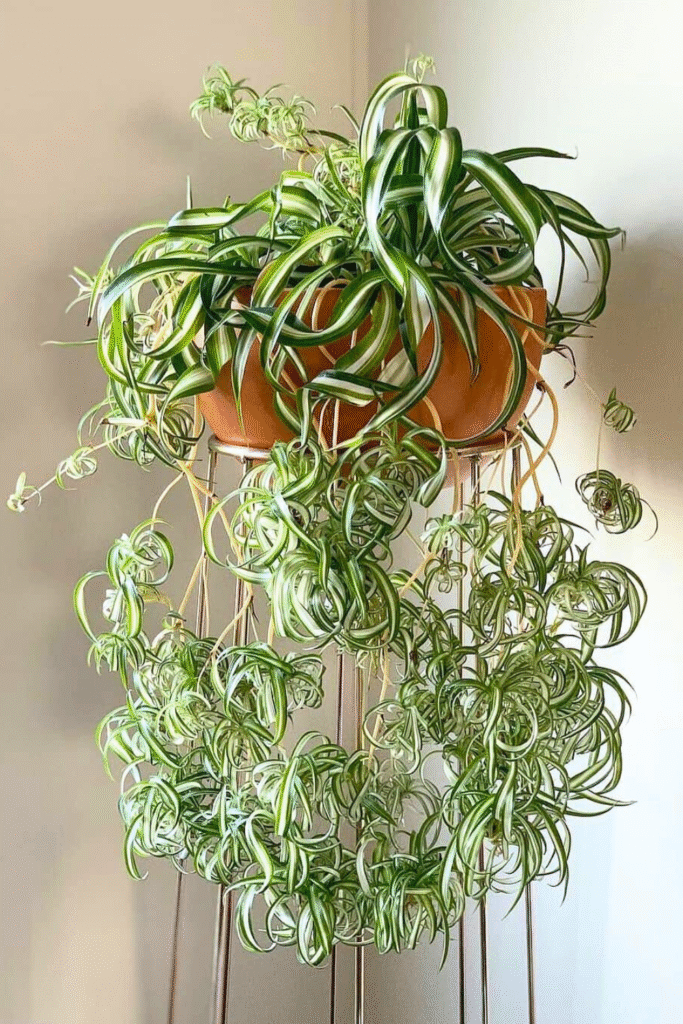
Spider plants, botanically known as Chlorophytum comosum, are tropical perennials native to southern Africa. They’re best known for producing long, slender leaves and small offshoots. These offshoots are often called “spiderettes” or “pups,” and they hang gracefully from the mother plant.
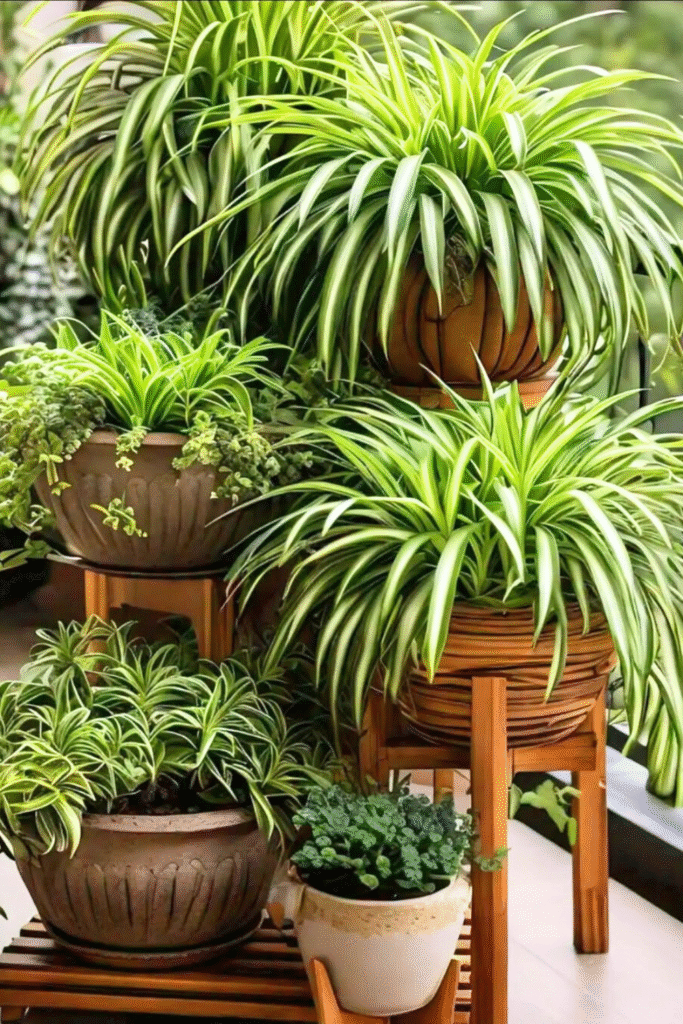
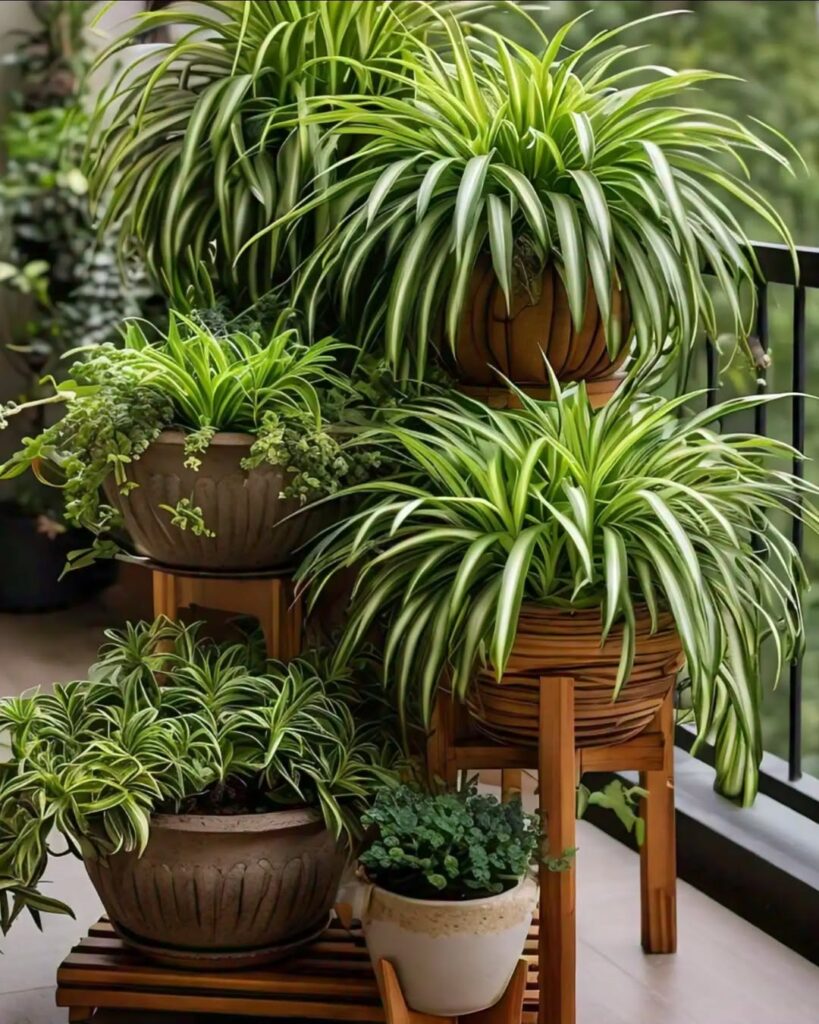
You’ll most commonly come across variegated forms with creamy white stripes, though solid green varieties are also available. Both types share the same easygoing nature and adapt well to typical indoor conditions.
Because of their resilience and ability to produce new plants so readily, spider plants have become a favorite for homes, offices, and anyone just starting their houseplant journey.
Finding the Perfect Spot
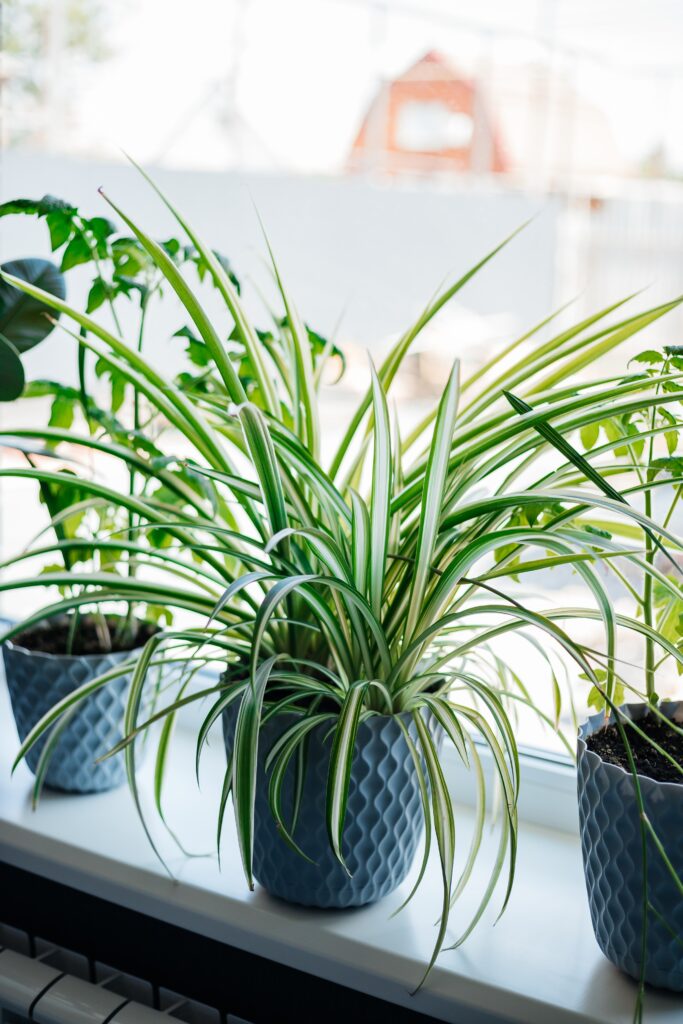
Spider plants thrive in bright, indirect light. A position near an east- or north-facing window works beautifully, where the plant can enjoy gentle morning light or consistent filtered brightness throughout the day. If your brightest windows face south or west, simply place the plant a little further back or soften the light with sheer curtains.
While spider plants can tolerate lower light, their growth may slow and the variegation can become less pronounced. If you notice the leaves losing their vibrant striping or the plant producing fewer pups, moving it to a brighter spot will usually make a noticeable difference.
Watering
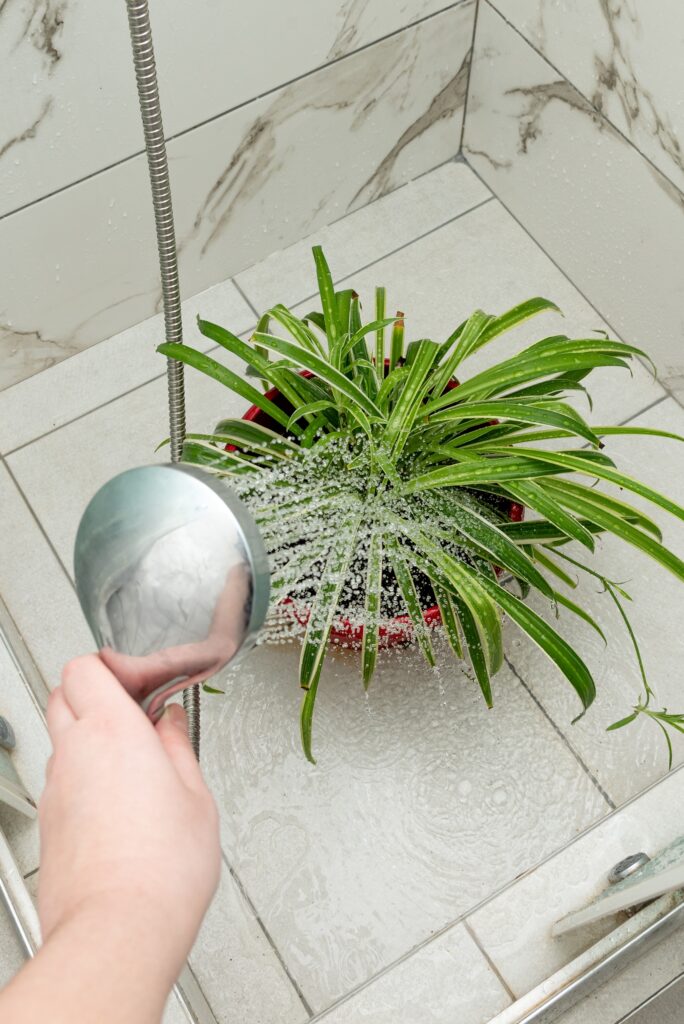
Spider plants appreciate consistent moisture but don’t enjoy sitting in soggy soil. The best approach is to allow the top inch or two of soil to dry out before watering again. When you do water, give the plant a thorough soak until excess water drains from the bottom, then empty the saucer to prevent the roots from remaining in standing water.
During the warmer months, this usually means watering about once a week. In winter, when growth slows, you may only need to water every two to three weeks. As always, it’s best to check the soil rather than rely on a strict schedule.
If your spider plant is receiving too much water, you may notice yellowing leaves or a persistently wet potting mix. On the other hand, brown tips can sometimes indicate underwatering or sensitivity to minerals in tap water. Using filtered or rainwater can help keep the foliage looking its best.
Potting Mix and Drainage

Spider plants prefer a light, well-draining potting mix that allows both moisture and air to reach the roots. A good-quality indoor potting soil works well on its own, though adding a little perlite can further improve drainage.
Equally important is the choice of pot. Always select a container with drainage holes so excess water can escape easily. Spider plants also enjoy being slightly root-bound, which often encourages the production of more pups, so there’s no need to rush repotting unless the plant becomes overcrowded.
Humidity and Temperature
Spider plants adapt well to typical indoor environments, making them very versatile. They’re comfortable in average household humidity and don’t require any special adjustments.
For best results, aim to keep your plant in temperatures between 60–80°F (16–27°C). Avoid placing it near cold drafts, air-conditioning vents, or heaters, as sudden temperature changes can stress the plant.
Fertilizing Your Spider Plant
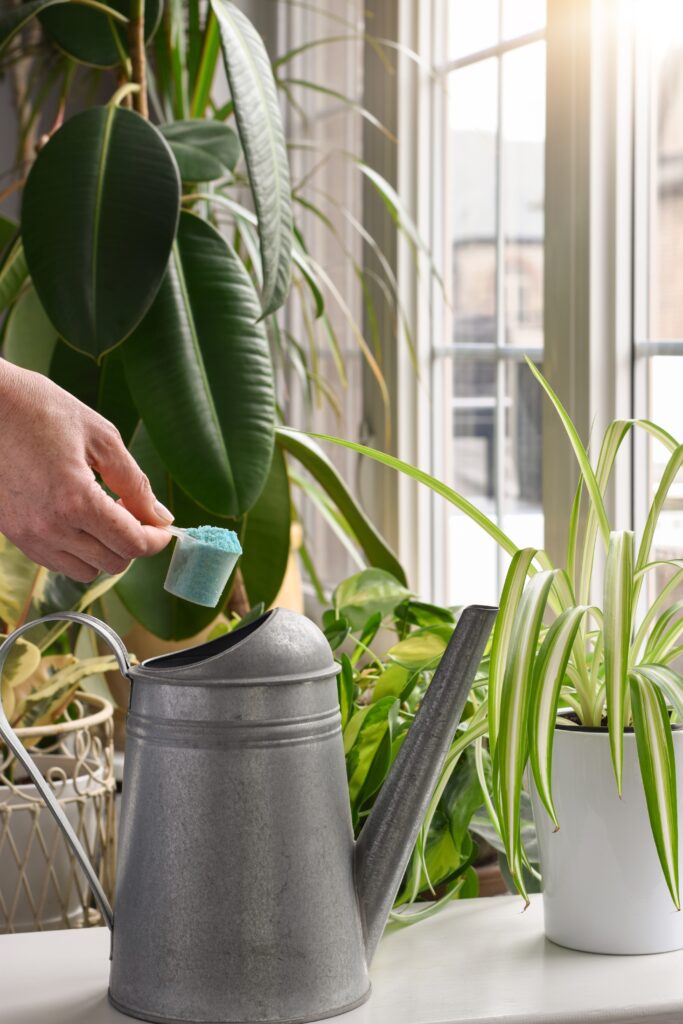
Spider plants aren’t heavy feeders, but a little nourishment during the growing season helps support healthy foliage and the production of pups. Apply a balanced liquid fertilizer once a month during spring and summer, diluted to half strength.
As growth slows in autumn and winter, you can reduce or pause feeding. Over-fertilizing can lead to brown leaf tips, so keeping things light and simple is the best approach.
When and How to Repot
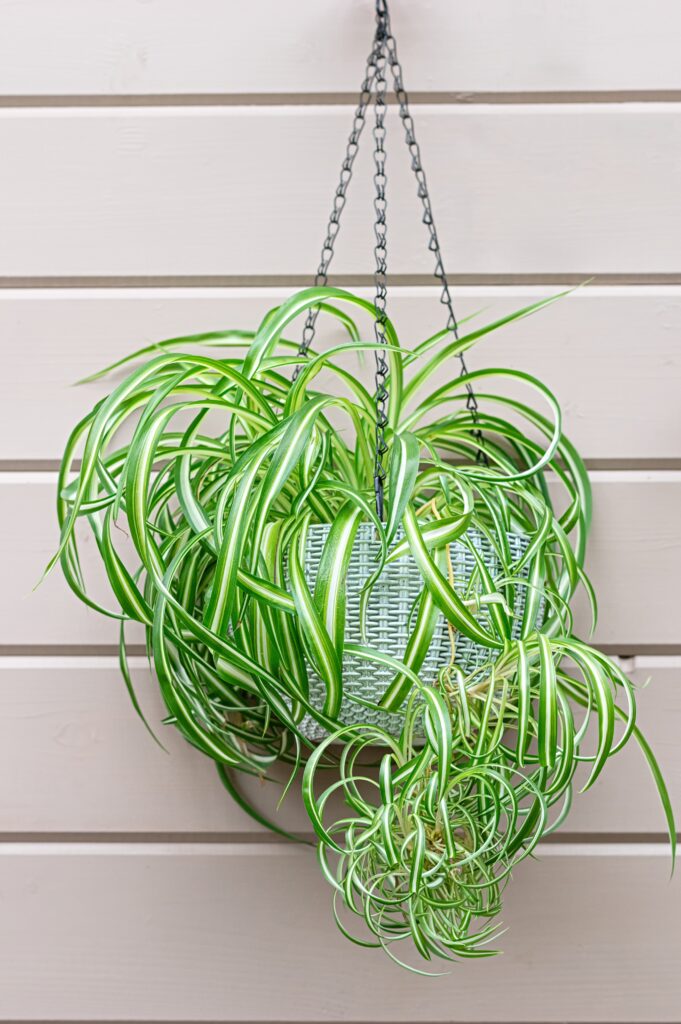
Spider plants generally need repotting every one to two years, or when you notice roots emerging from the drainage holes or the plant becoming crowded in its container. Choose a pot that is only one to two inches larger than the current one to prevent excess moisture retention.
Repotting in spring or early summer allows the plant to establish itself quickly and continue growing with ease.
Propagating Spider Plants

One of the most beautiful aspects of spider plants is how easily they propagate. The small plantlets that form along the arching stems can be used to grow new plants with very little effort.
To propagate, simply place a spiderette in a small pot of moist soil while it’s still attached to the mother plant, or snip it off and root it in water or soil. Keep the new plant warm and in bright, indirect light, and it will establish itself quickly.
Before long, you’ll have a collection of thriving spider plants to share with friends or display throughout your home.
Are Spider Plants Safe for Pets?
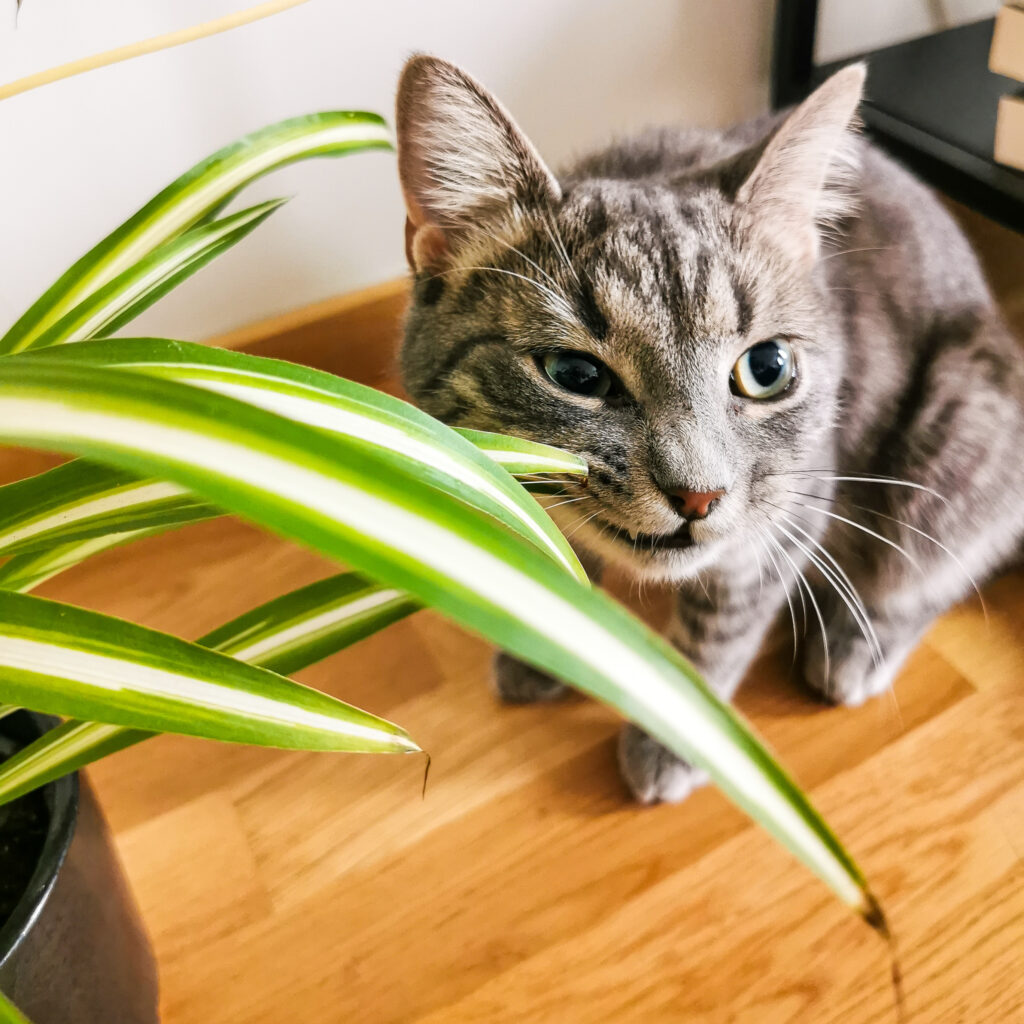
Yes! Spider plants are non-toxic to cats and dogs, making them a wonderful choice for pet-friendly homes. While curious pets may occasionally nibble on the leaves, the plant is considered safe.
Common Problems (and How to Fix Them)
Brown Leaf Tips
Often caused by fluoride or salts in tap water. Switching to filtered or rainwater can help.
Yellow Leaves
Usually a sign of overwatering. Allow the soil to dry slightly between waterings and ensure proper drainage.
Lack of Pups
May indicate insufficient light or that the plant is not yet mature. Moving it to a brighter spot often encourages new growth.
Pale or Faded Leaves
Can result from low light. Increasing brightness helps restore their vibrant color.
Final Tips for Happy Growth

Just a few simple touches will keep your spider plant looking its best:
- Rotate the plant every couple of weeks for even growth.
- Trim away any brown leaf tips to maintain a tidy appearance.
- Allow the plant to become slightly root-bound to encourage pups.
- Place it in a bright spot to support vibrant foliage.