15 Air Purifying Plants That Are Easy to Grow Indoors
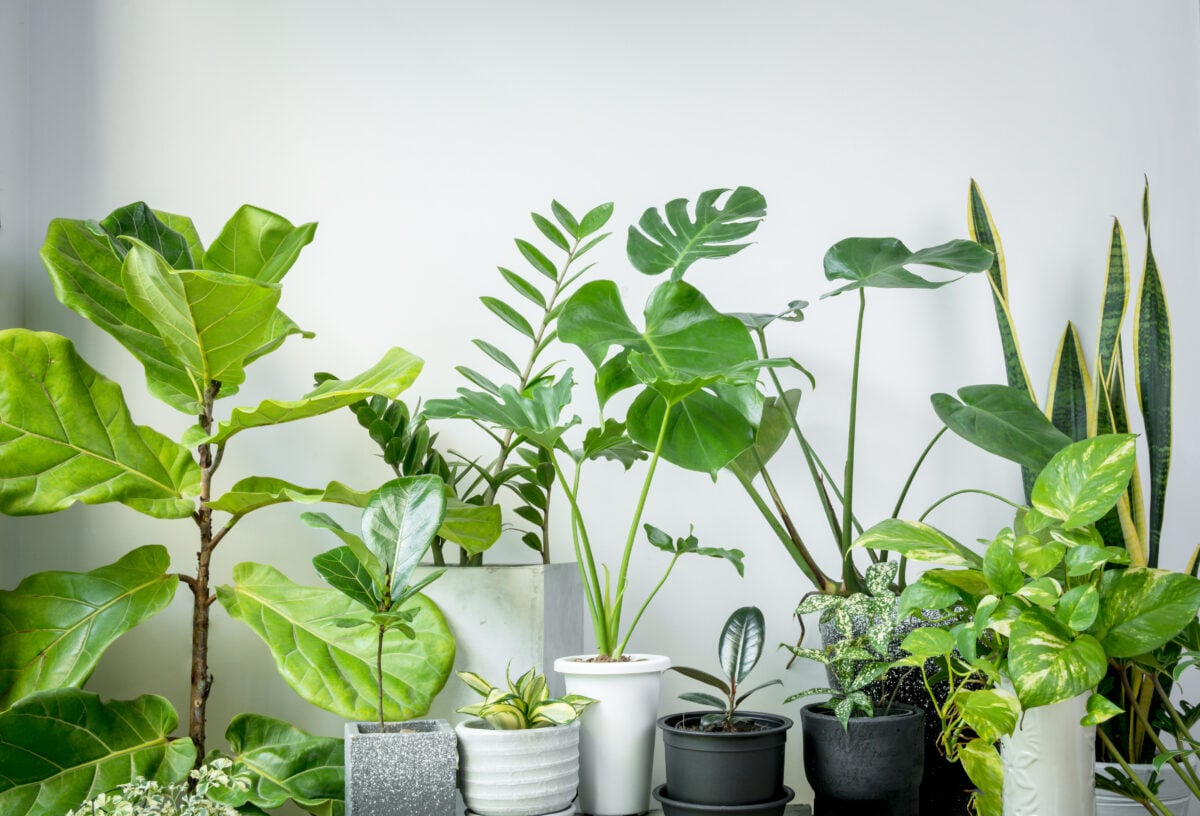
You can walk into any plant shop and see tags claiming “air purifying.” It sounds great, doesn’t it? And to be fair, plants do play a small role in improving indoor air. But they’re not magic filters.
Indoor plants won’t replace fresh air or a good breeze through the house, but they do play a role. Over time, they can help absorb certain indoor pollutants, increase humidity slightly, and make a space feel noticeably fresher. And that matters more than people think, especially in closed-up homes.
So instead of chasing exaggerated claims, it makes more sense to grow plants that:
- are easy to keep alive
- handle indoor conditions well
- quietly contribute to a healthier-feeling space
These are the ones that do all three.
1. Snake Plant (Sansevieria)
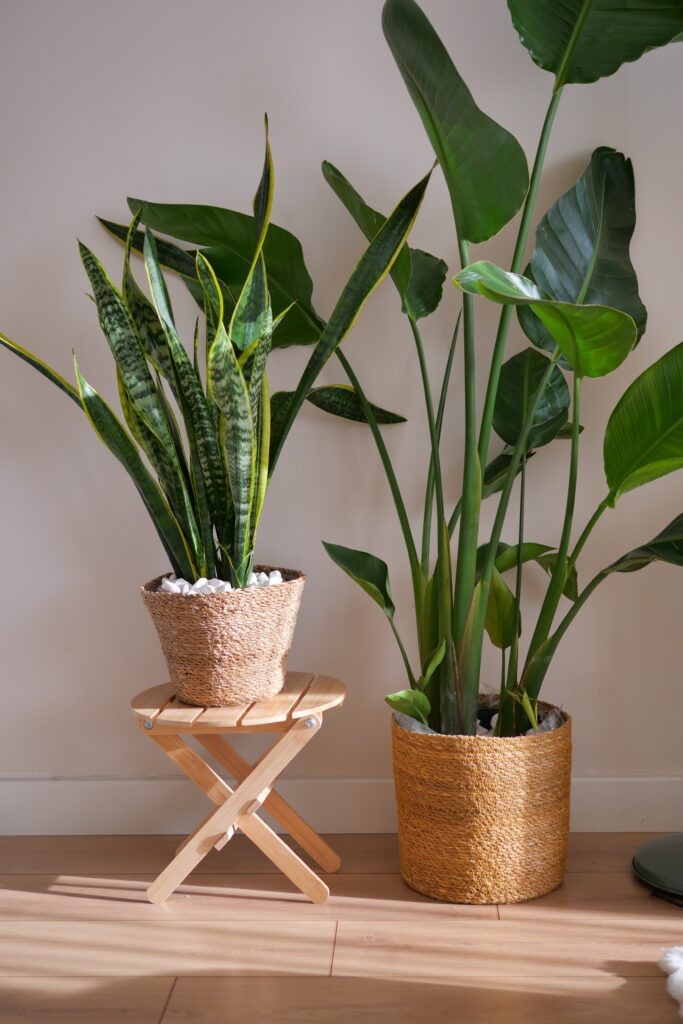
Snake plants are one of the most widely mentioned indoor plants when it comes to air quality, and for good reason. They’ve been shown to absorb small amounts of indoor pollutants like formaldehyde and benzene over time, and they continue exchanging gases at night, which makes them a popular choice for bedrooms.
What really makes them worth growing, though, is how little they ask from you.
They handle low light, dry air, and irregular watering, so you actually keep them alive long enough to get the benefit. If you want a plant that contributes to a fresher-feeling room without needing constant care, the snake plant is one of the very best to start with.
2. Peace Lily (Spathiphyllum)
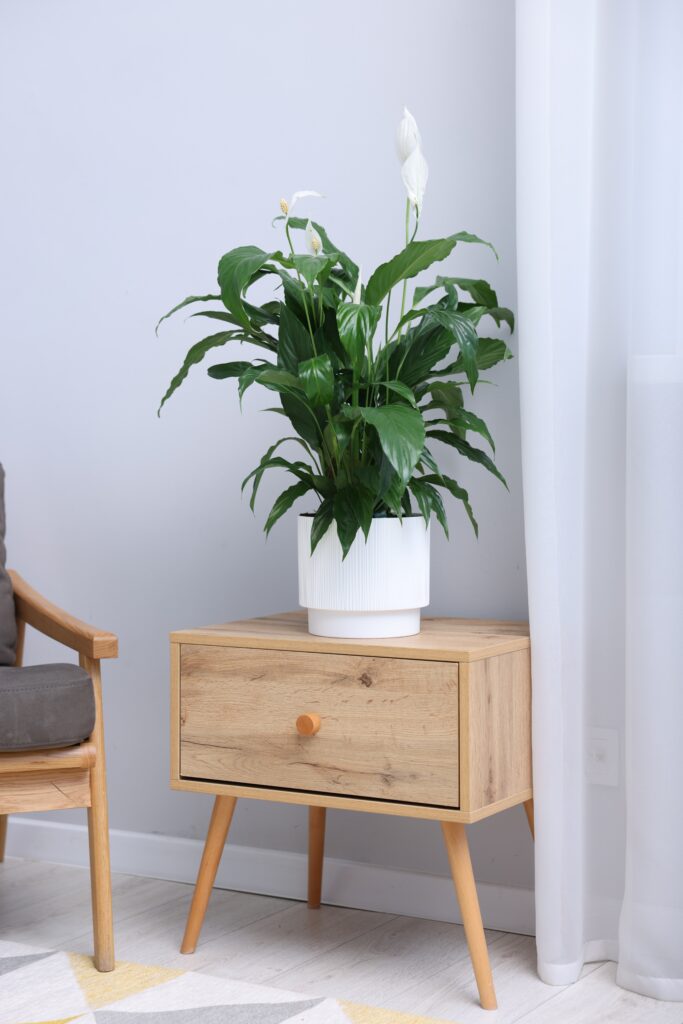
Peace lilies come up again and again when people talk about air purifying plants. They’ve been linked to removing small amounts of common indoor pollutants, and they tend to do well in the same lower-light conditions many homes have.
They also give you a clear sign when they need water, which makes them easier to manage than they look.
With their dark leaves and white flowers, they bring a fresh, clean feel to a room. Just keep the soil lightly moist and they’ll settle in well.
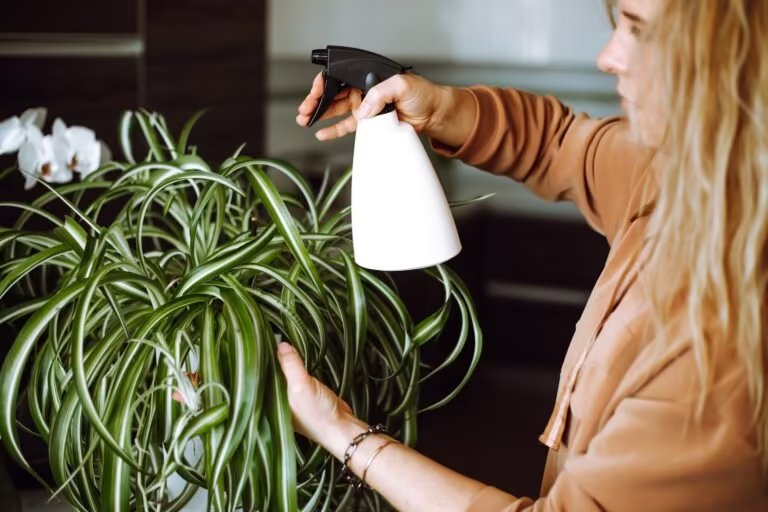
3. Spider Plant (Chlorophytum comosum)

Spider plants are often included in air quality studies because they can help reduce things like carbon monoxide and formaldehyde over time. They’re also one of the easiest plants to grow indoors.
They handle a range of light conditions and don’t need perfect care to do well. Once they get going, they send out long stems with baby plants on the ends, which adds to that soft, lived-in look.
If you want something easy to grow that still ticks the “air purifying plants” box, the spider plant is a good one to have around.
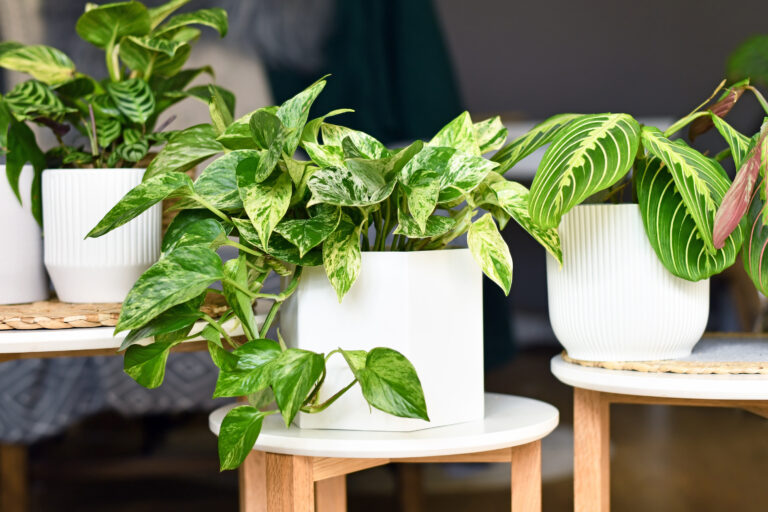
4. Devil’s Ivy / Pothos (Epipremnum aureum)

Pothos is another plant that regularly shows up on air purifying lists, especially for its ability to absorb small amounts of indoor toxins like formaldehyde.
It grows easily in low to medium light and doesn’t mind if you miss a watering here and there. The trailing vines help soften shelves and corners, and it fills out a space quickly without much effort. It’s one of those plants that’s gorgeous and super easy to grow.
5. Rubber Plant (Ficus elastica)
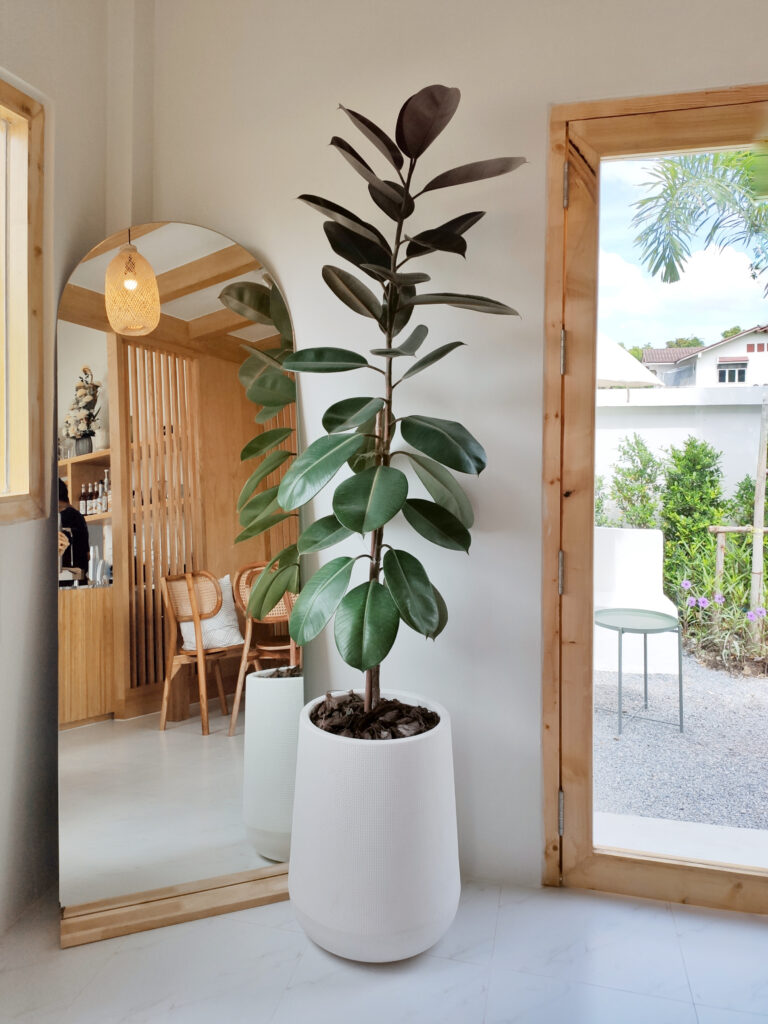
Rubber plants are known for their large, thick leaves, which can absorb airborne particles over time. They’re often included in discussions around indoor air quality for that reason.
They do best with bright, indirect light, but once they’re settled in, they’re fairly easy to manage. Because of their size and leaf surface, they can have a noticeable impact on how a room feels, especially in spaces that feel a bit closed in.
6. Areca Palm (Dypsis lutescens)
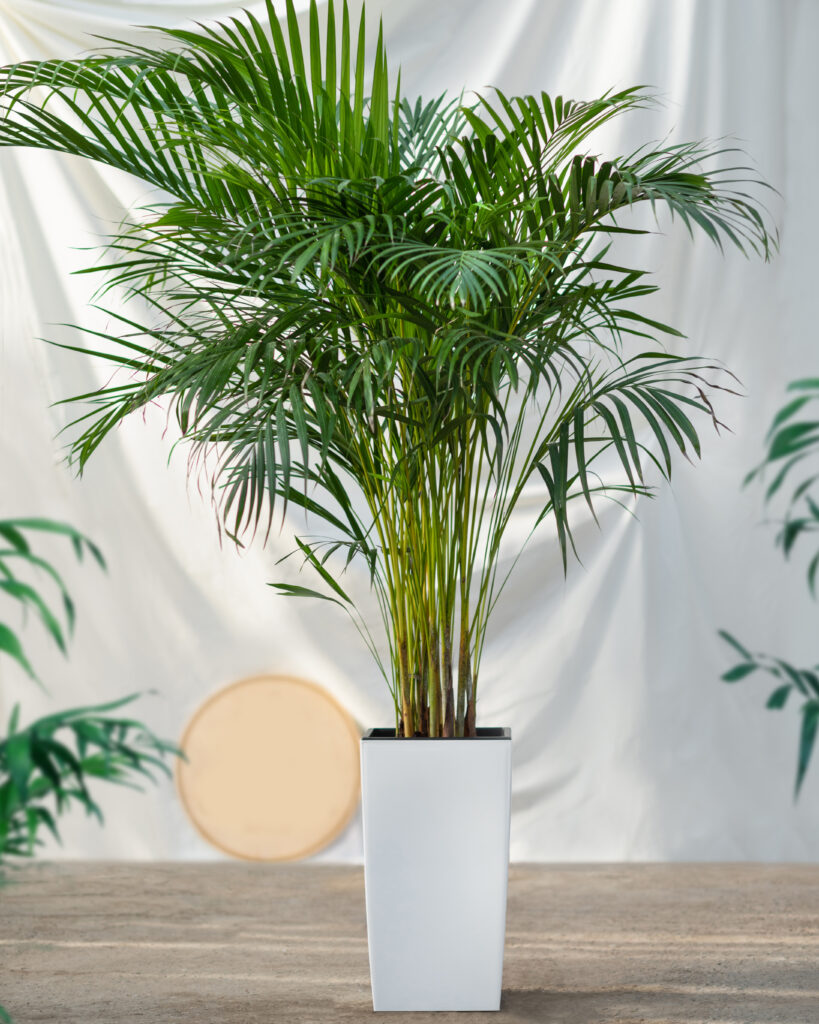
Areca palms are often mentioned for their ability to add moisture to the air, which can make indoor spaces feel more comfortable, especially in dry conditions. They also help filter small amounts of airborne compounds over time.
With their soft, feathery fronds, they bring a lighter feel to a room and don’t look heavy or crowded, even when they grow larger.
7. Boston Fern (Nephrolepis exaltata)
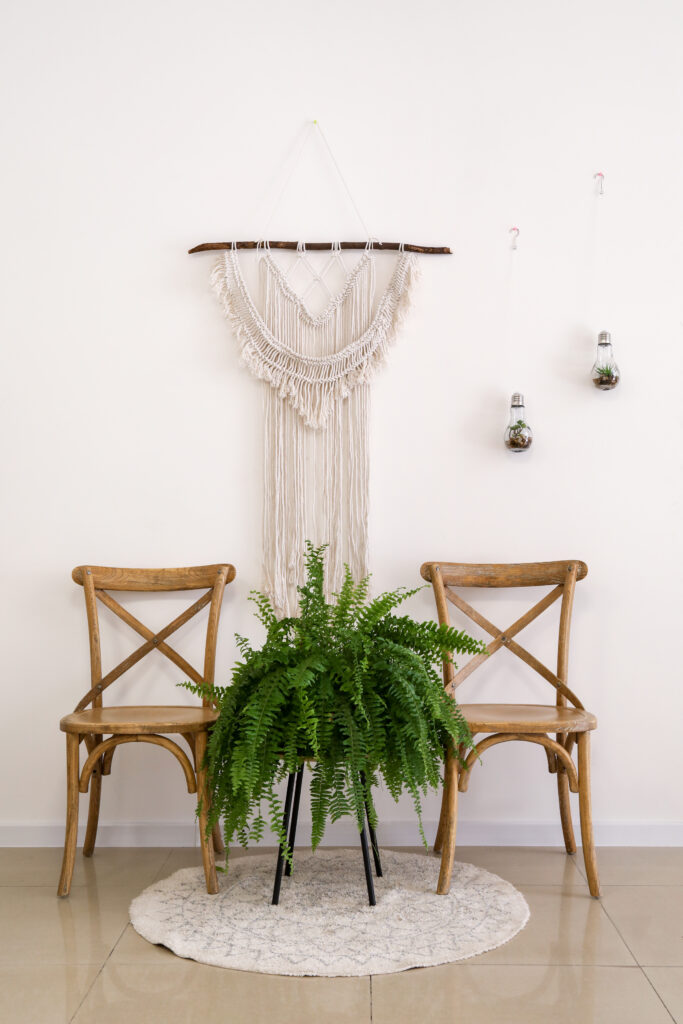
Boston ferns have long been associated with improving indoor air, especially when it comes to increasing humidity and helping reduce certain airborne pollutants.
They do best in slightly more humid spots like bathrooms or kitchens. When they’re happy, they grow full and soft, which helps take the edge off dry or stuffy-feeling rooms.
8. Aloe Vera
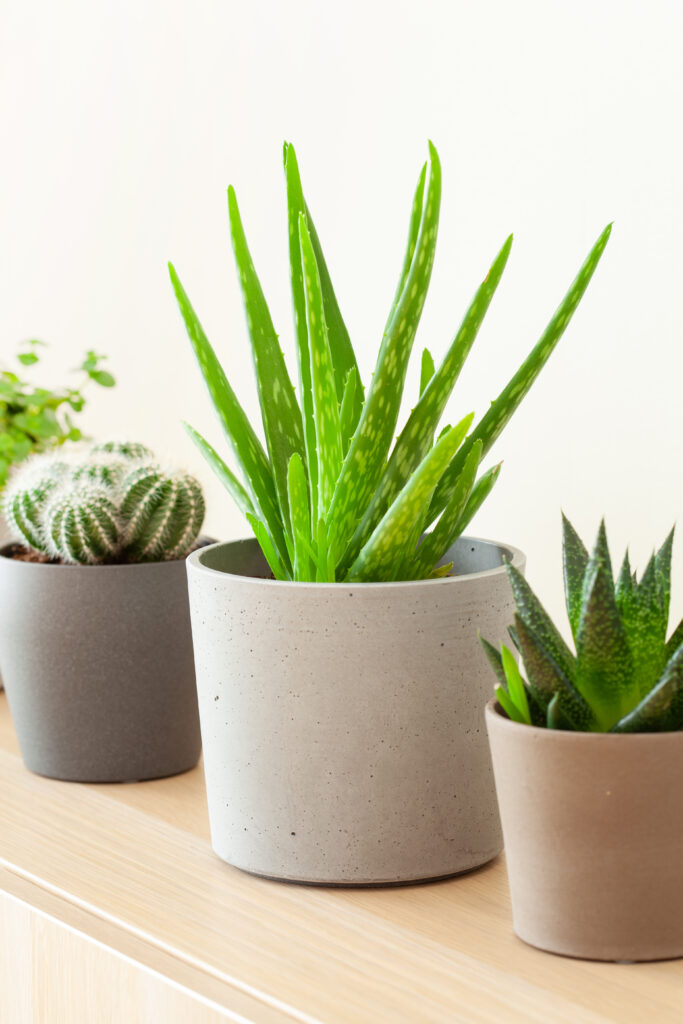
Aloe vera is often included in air purifying plant lists, partly because it can help absorb certain compounds over time. It’s also one of the easiest plants to manage if you’ve got a bright spot for it.
It doesn’t need frequent watering, and it’s useful to have around for everyday things like minor burns or skin irritation.
9. Chinese Evergreen (Aglaonema)
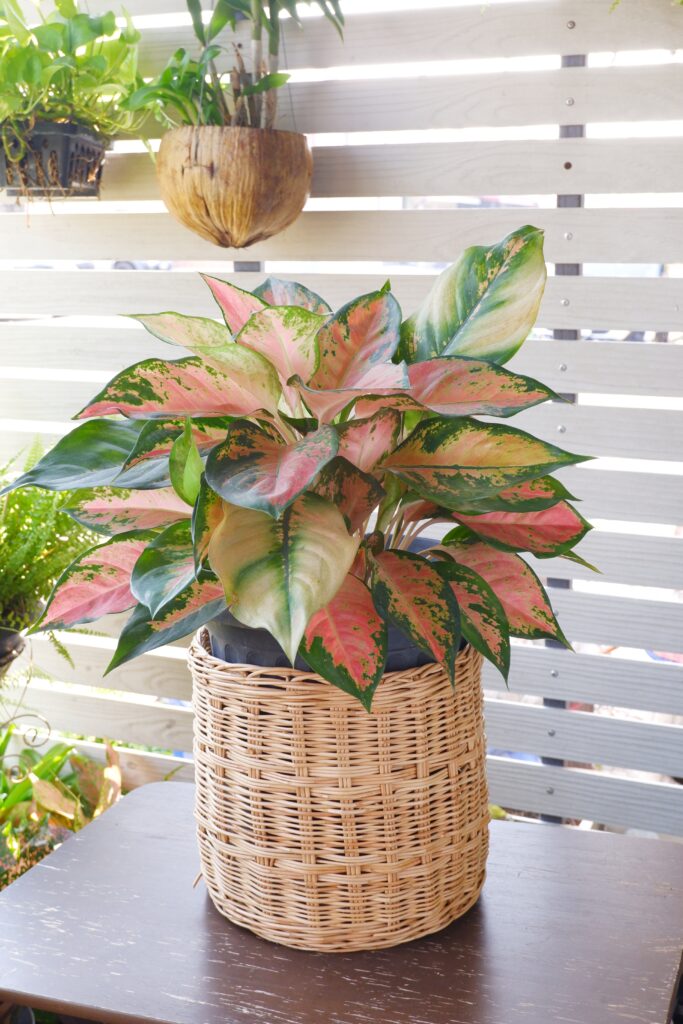
Chinese evergreens are known for tolerating lower light while still helping improve indoor air over time. They’ve been linked to filtering certain household toxins and are often recommended for bedrooms and living areas.
Chinese evergreens are easy to live with and don’t need a lot of attention, which makes them a good fit for most spaces in your house.
10. Dracaena
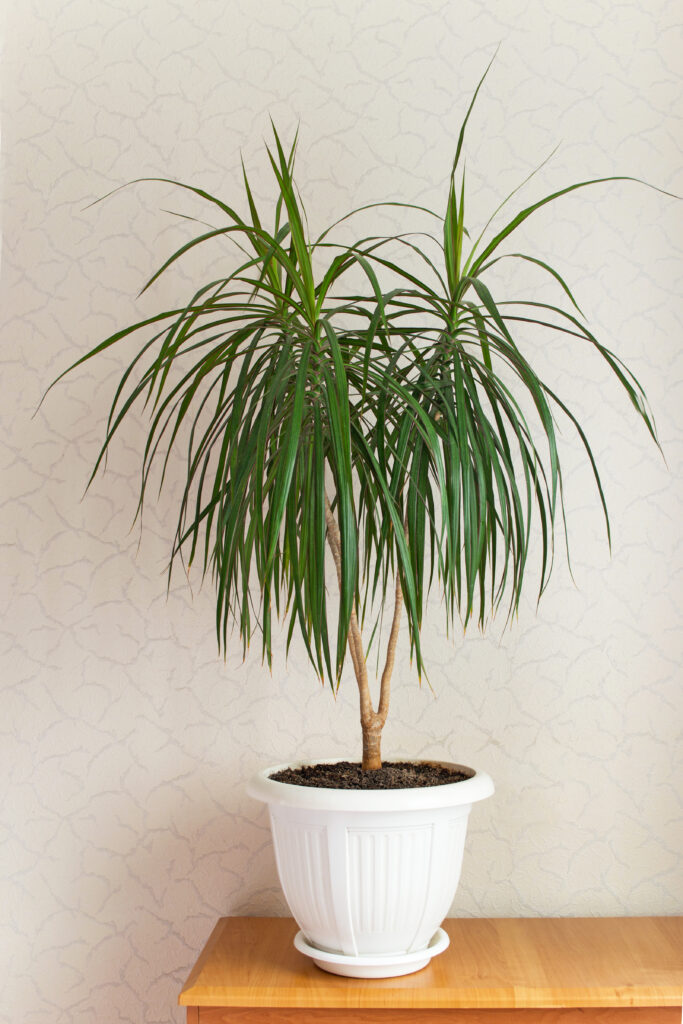
Dracaena varieties are commonly included in air purifying plant lists for their ability to absorb pollutants like benzene and formaldehyde over time.
They grow upright, don’t spread too much, and fit well into corners or alongside furniture. With basic care, they settle in easily and don’t need much ongoing attention.
11. ZZ Plant (Zamioculcas zamiifolia)
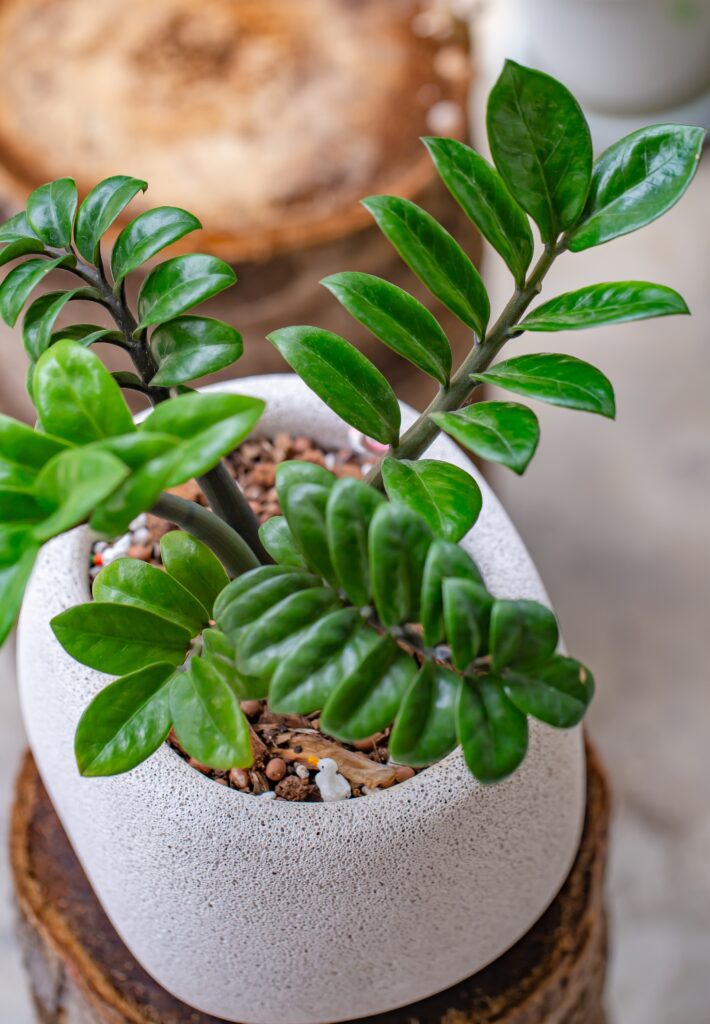
ZZ plants are often included in air purifying plant lists for their ability to handle and slowly process certain indoor pollutants.
What stands out more, though, is how well they cope with indoor conditions.
They tolerate low light, dry air, and long gaps between watering without much trouble. The thick, glossy leaves also help reflect light around a room, which can make a space feel a bit brighter and fresher. If you tend to forget about plants now and then, this one is for you.
12. Philodendron (Heartleaf)
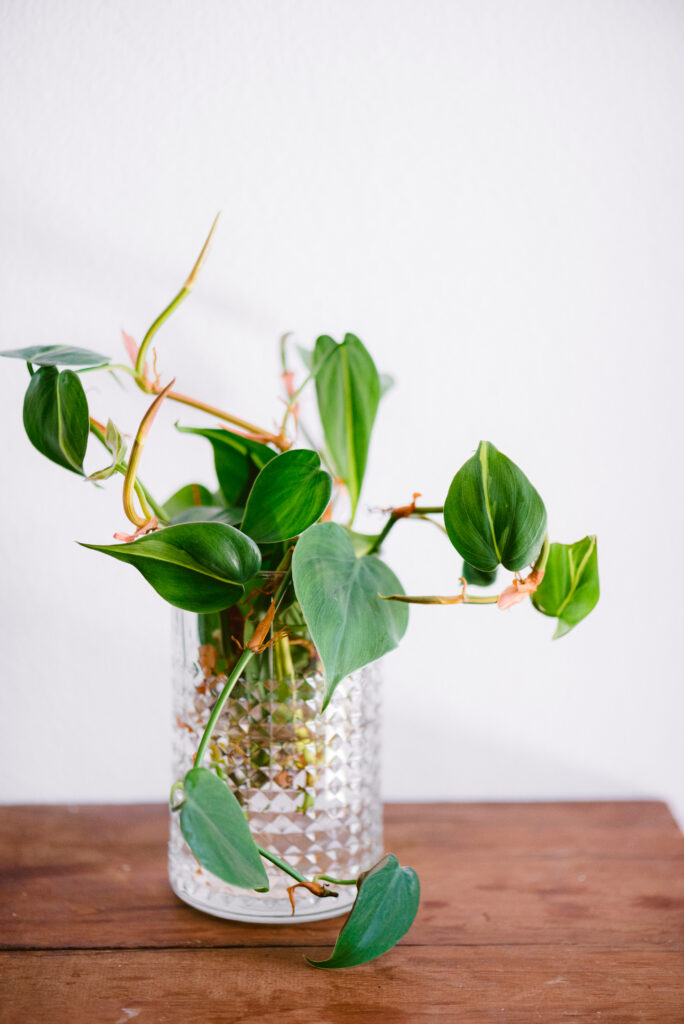
Heartleaf philodendrons are known for their steady growth and ability to absorb small amounts of airborne toxins over time. They trail easily, which helps soften shelves and edges, and they adapt well to typical indoor light.
They don’t need perfect conditions to do well, and once they start growing, they’re steady growers and can take off quickly once established.. Philodendrons are a great plant for beginners.
13. Bamboo Palm (Chamaedorea seifrizii)
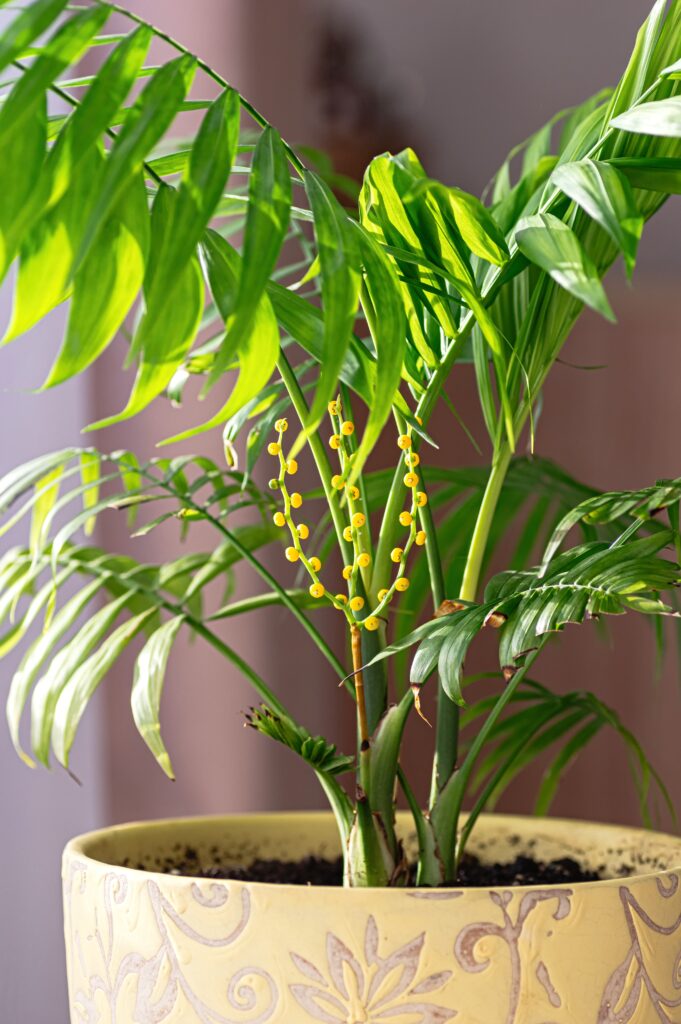
Bamboo palms have been linked to filtering indoor air while also adding a bit of moisture, which can make a room feel more comfortable.
They grow in clusters of slender stems, which gives them a lighter look compared to heavier indoor plants. With regular watering and a reasonably bright spot, they settle in well and gradually fill out the space around them.
14. English Ivy (Hedera helix)
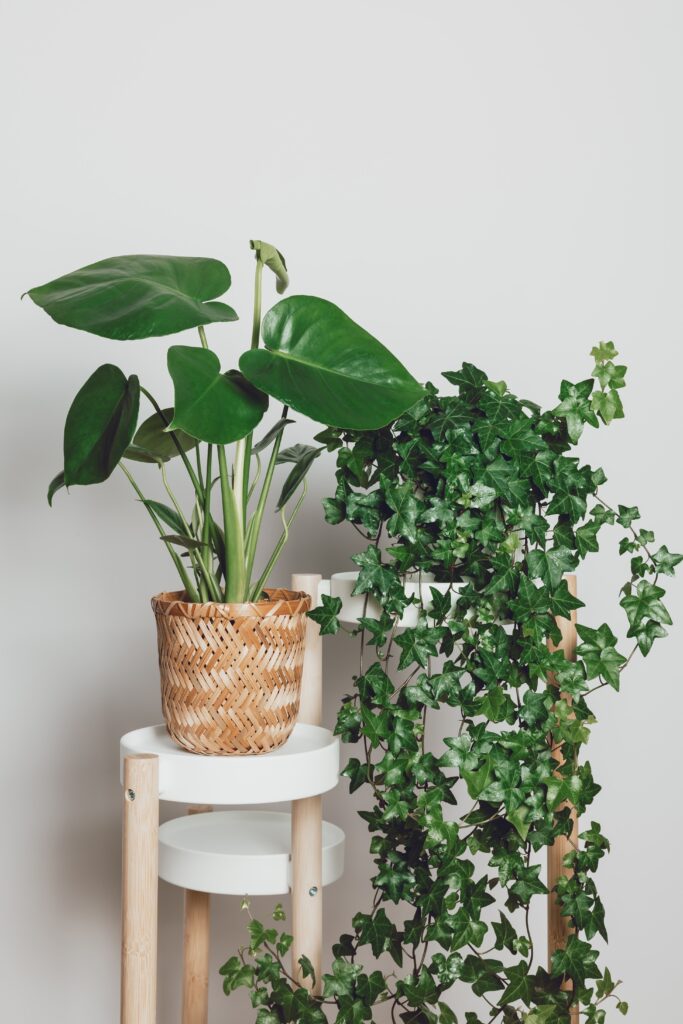
English ivy has been studied for its ability to reduce airborne particles like mold spores and some household pollutants over time.
It grows quickly and trails well, which makes it useful for shelves or hanging pots where it can spread out a bit. It does best with decent light and some airflow, and once it’s established, it doesn’t need much to keep going.
15. Parlor Palm (Chamaedorea elegans)
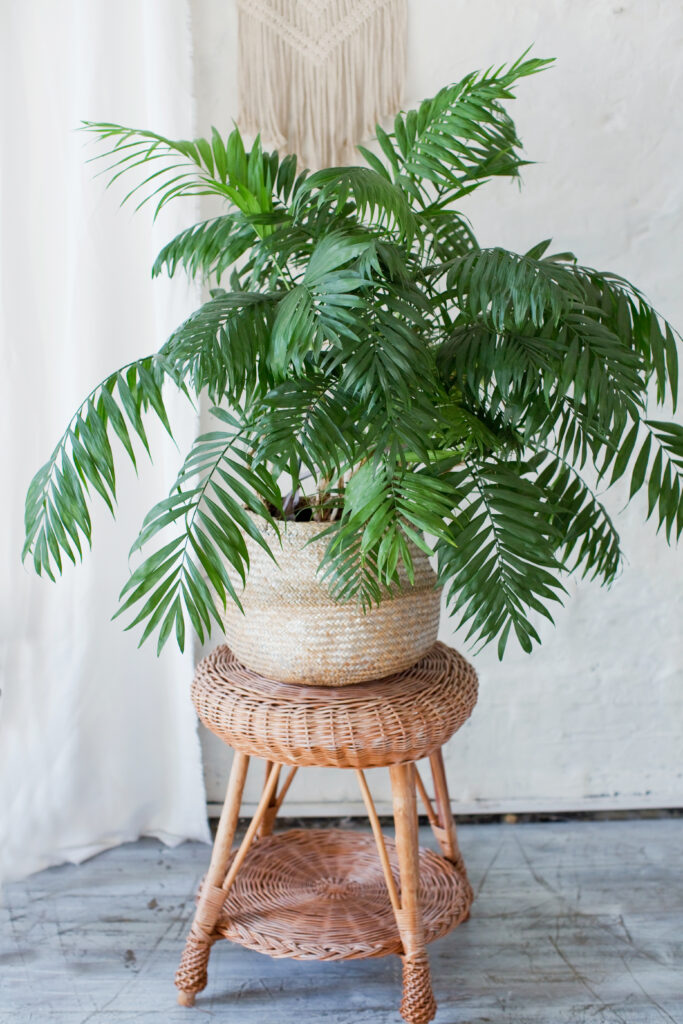
Parlor palms have been grown indoors for a long time, partly because they handle indoor air and lower light better than most. They’ve also been associated with gentle air-filtering benefits and a slight increase in humidity.
They stay fairly compact, which makes them easy to place around the house without having to rearrange everything to fit them in.
A Quick Note on Air Purifying Plants
Indoor plants can help improve air quality, but they work slowly and in the background.
You don’t need dozens of them. A handful of healthy, well-placed plants will do more than a room full of struggling ones.
Between the natural filtering, added moisture, and the way they change how a space feels, they’re still well worth growing.
A Fresher, Greener Space
Start with one or two that suit your light and space, and see how they go.
Some will do better than others, and that’s part of it. Once you find the ones that grow easily in your home, it becomes much simpler to build from there.
Before long, you’ll have a space that feels fresher, greener, and a bit more alive!