Why Most Air Purifying Plants Don’t Work (And What Actually Helps)
A lot of people bring home a few plants hoping the air will feel cleaner almost straight away. Sometimes it does. Sometimes… not much changes. That’s usually where the confusion starts.
It’s not that air purifying plants are useless. It’s that they’re often used in the wrong way, or expected to do too much on their own. Once you tweak a few things, they actually start to make a lot more sense.
Why Plants Don’t Always Seem to Work
Most of the time, it comes down to how they’re used in real homes.
1. There just aren’t enough of them
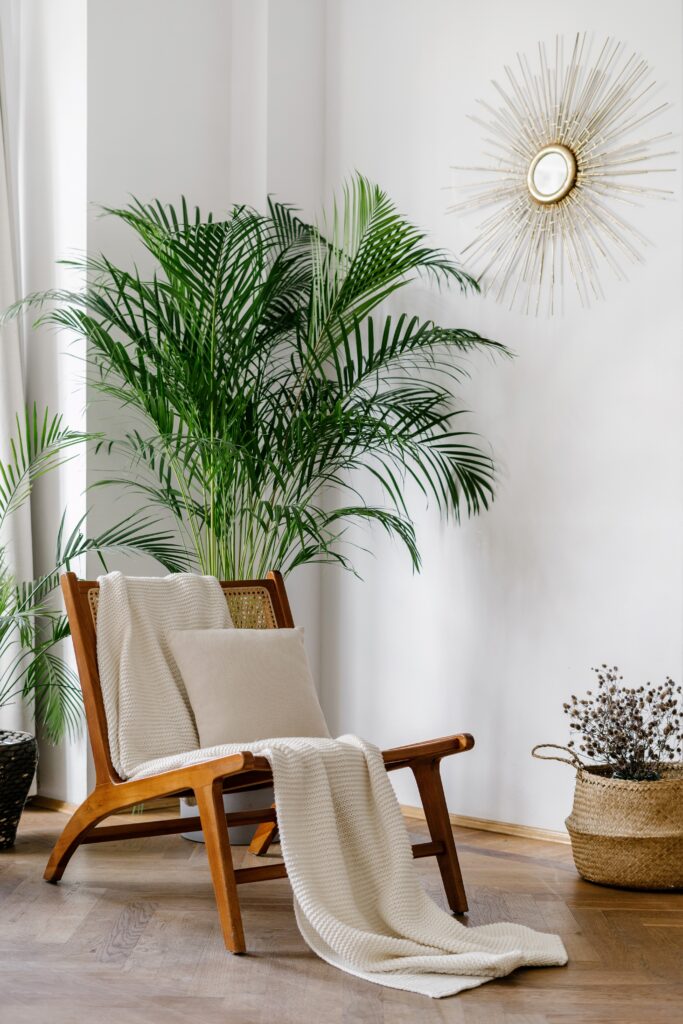
One or two plants in a room won’t do much on their own.
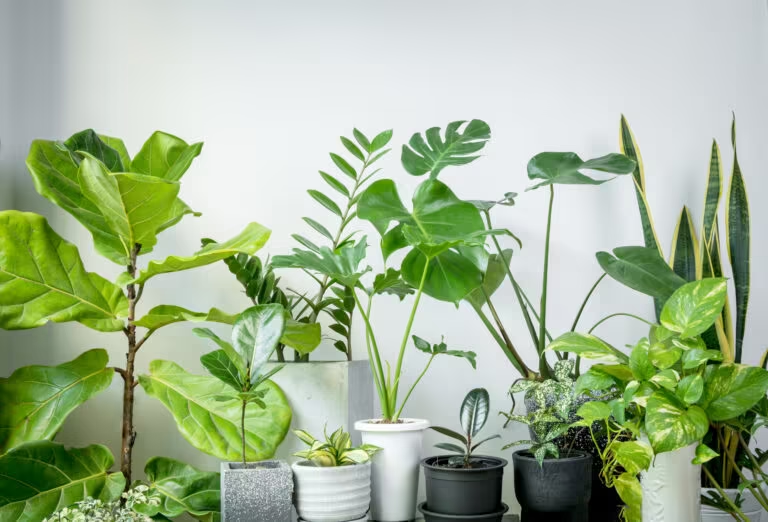
Plants work slowly, and their effect builds over time. A fuller space with several healthy plants tends to feel noticeably better than a single plant in the corner.
It’s more of a group effort than a quick fix.
2. Air is moving all the time
Indoor air isn’t sitting still.
Doors open, windows crack, people walk through, fans run. All of that movement means plants are constantly dealing with new air.
So while they are doing their thing, it’s happening quietly in the background rather than all at once.
3. The bigger issue is often moisture
If a room feels heavy or stale, it’s often not just “bad air.”
It’s:
- damp spots
- lack of airflow
- trapped humidity
Plants can help a little, but they won’t fix those on their own.
4. The plant isn’t thriving
This one gets overlooked.
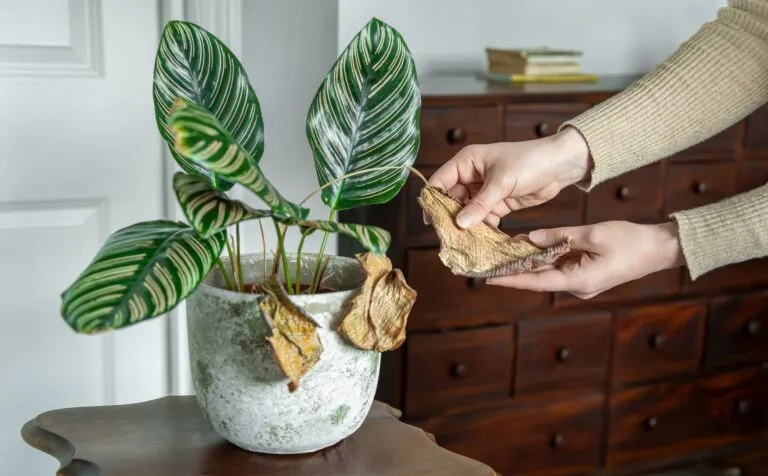
If a plant is struggling (too dark, too wet, too dry) it’s not doing much of anything.
Healthy, actively growing plants are the ones that actually contribute to a fresher-feeling space.
What Actually Makes a Difference
This is where things start working properly.
1. Let the air move
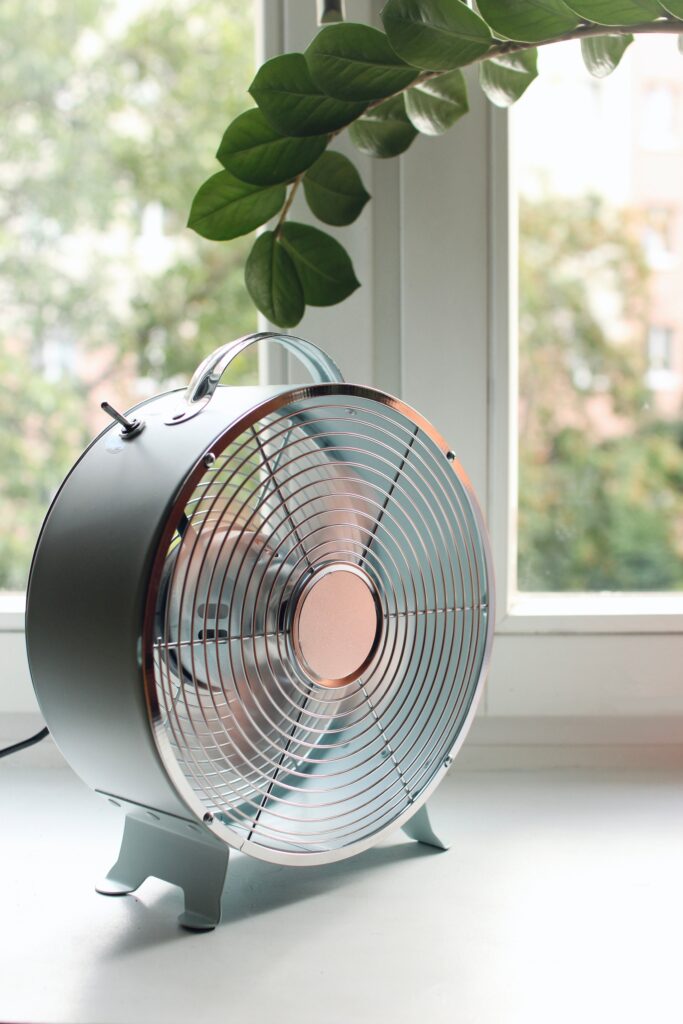
Even a small amount of airflow makes a difference.
- open windows when you can
- let rooms air out during the day
- use a fan if things feel still
You don’t need a strong breeze. Just a bit of movement.
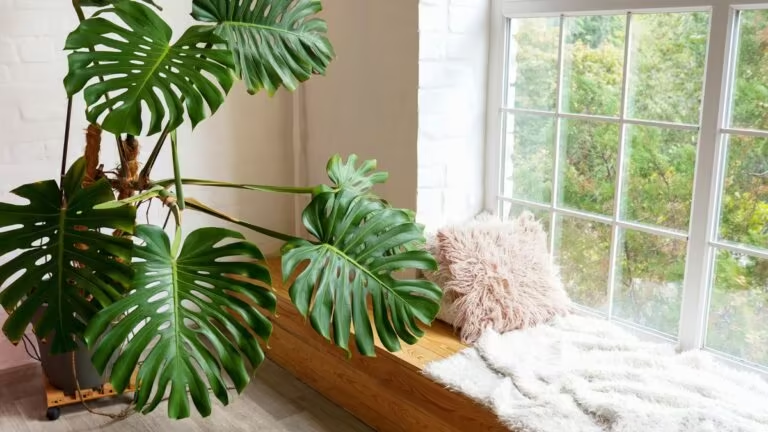
2. Use light to your advantage
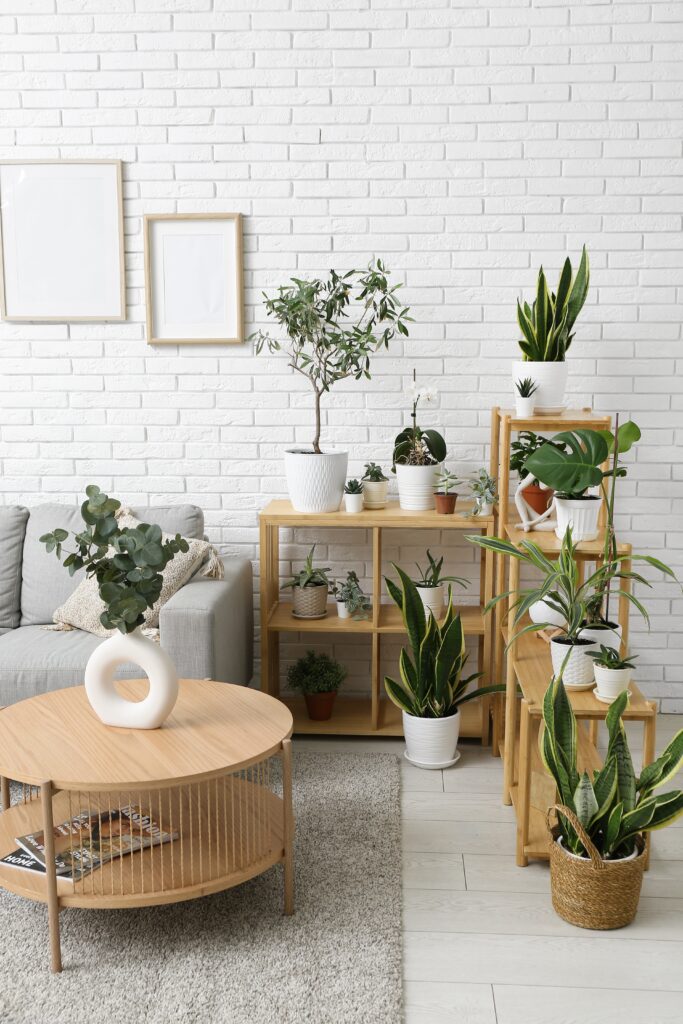
Bright rooms feel fresher for a reason.
Sunlight helps dry things out and keeps spaces from feeling closed in. It also keeps your plants growing properly, which matters more than people think.
3. Keep moisture in check
This is a big one if you’re dealing with that heavy, stale feeling.
- avoid constantly wet soil
- don’t crowd plants too tightly
- keep an eye on damp corners
A balanced space always feels better than a damp one.
4. Then build around plants
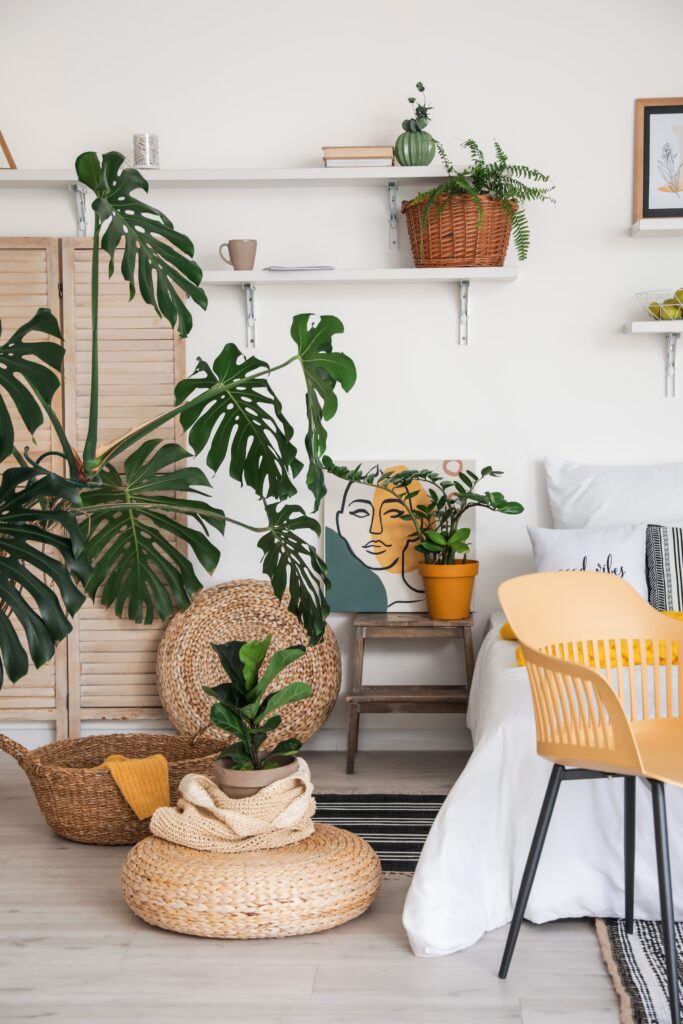
This is where plants actually shine.
Instead of relying on one or two, use a few across the room:
- near windows
- on shelves
- in corners
That’s when you start to notice the difference. Not just in the air, but in how the whole space feels.
The Plants That Work Best
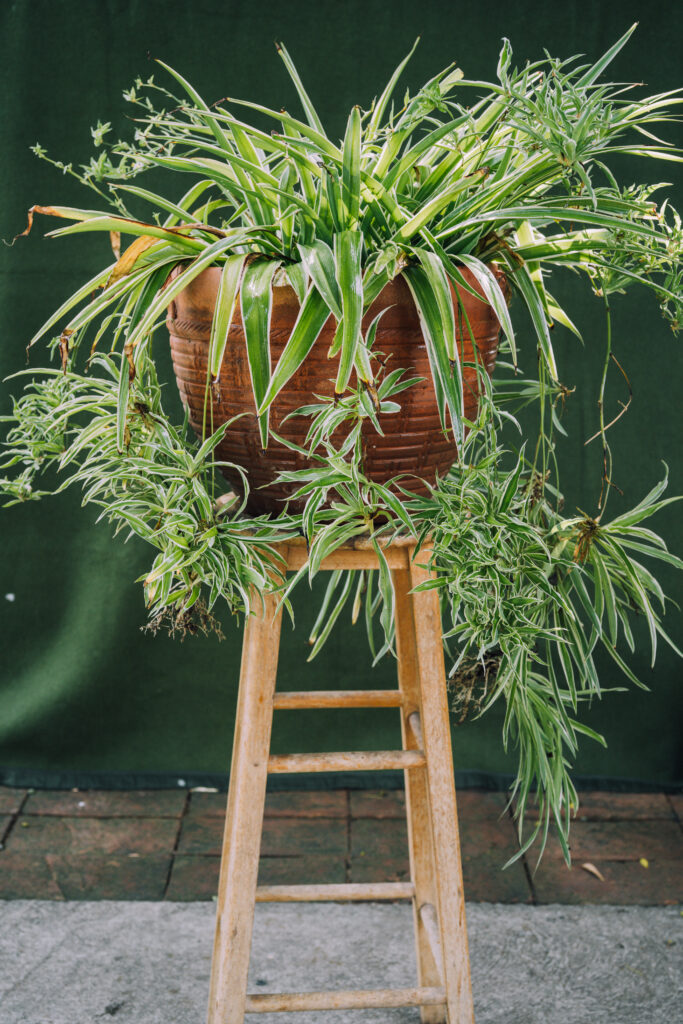
Some plants are simply easier to grow well indoors, which means they’re more likely to do their job over time.
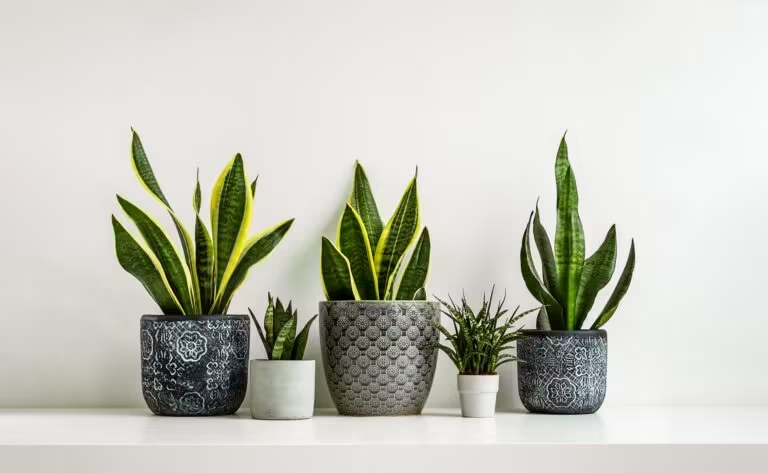
- snake plant
- pothos
- spider plant
- peace lily
- palms
Not because they’re special in a dramatic way, but because they grow reliably, handle indoor conditions, and stay healthy without constant effort
And that’s what makes the difference.
A Better Way to Think About It
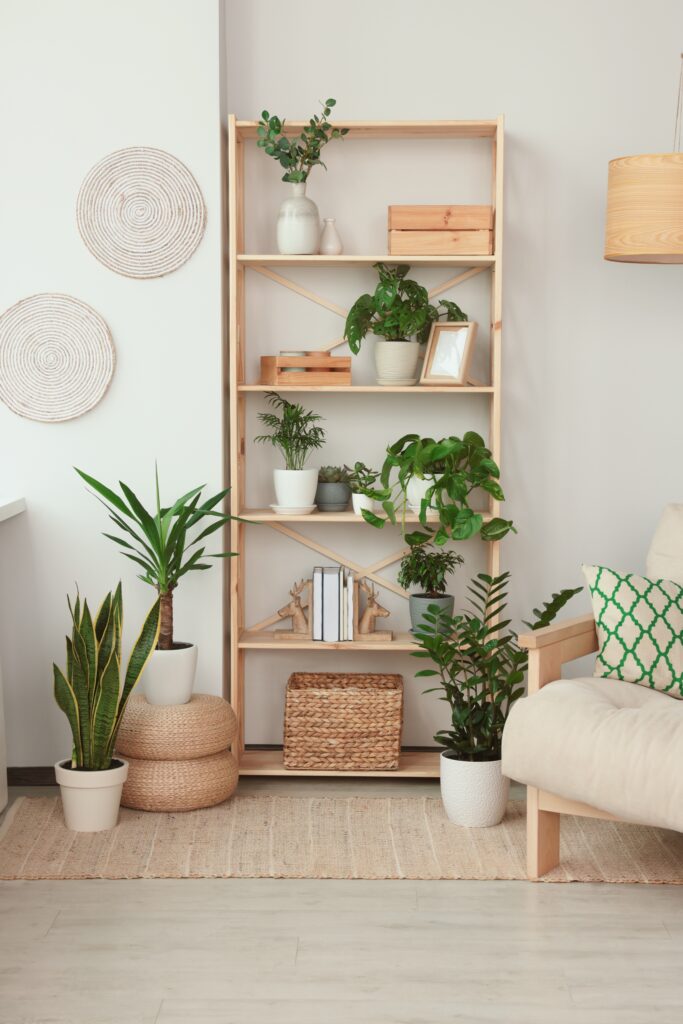
Instead of asking: “Do air purifying plants work?”
It helps to think: “How do I make my space feel fresher overall?”
Plants are part of that.
They:
- soften the space
- add a bit of moisture
- quietly contribute over time
When everything works together, you notice it.
A Lighter, Fresher Home
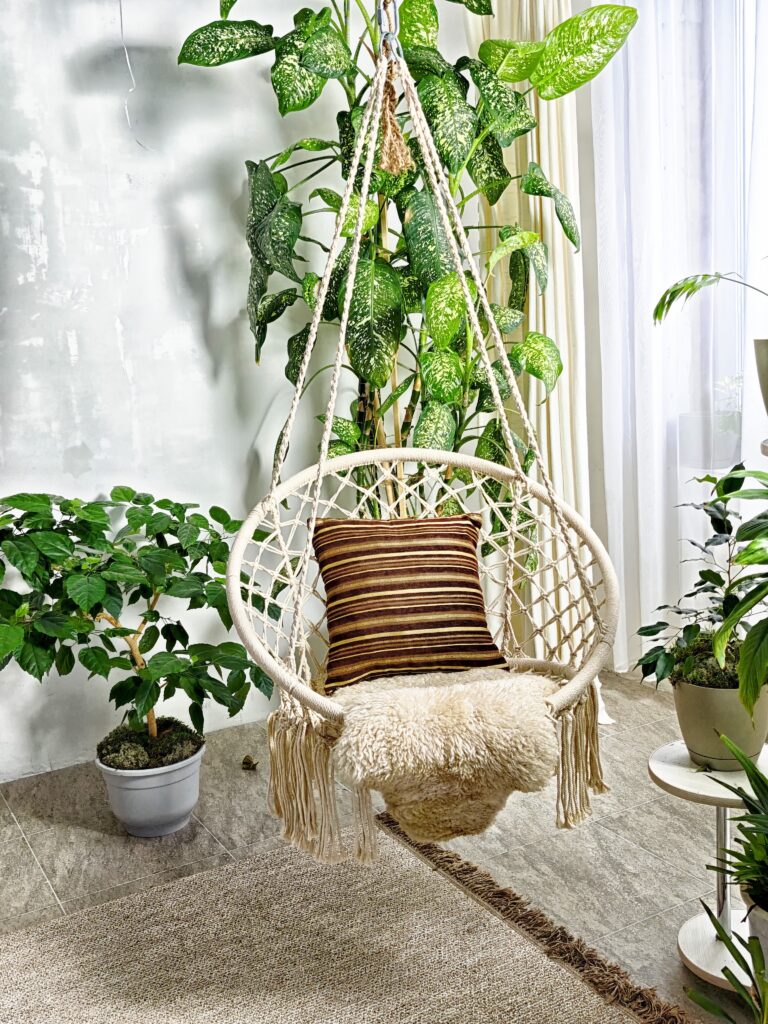
Most air purifying plants don’t “fail”. They’re just expected to do more than they can on their own.
Once you pair them with:
- a bit of airflow
- some light
- and a few healthy plants instead of just one
they start to make a lot more sense.
And the result is a home that feels lighter, fresher, and easier to be in!