Chinese Money Plant Care 101: Easy Tips for Happy, Healthy Plants
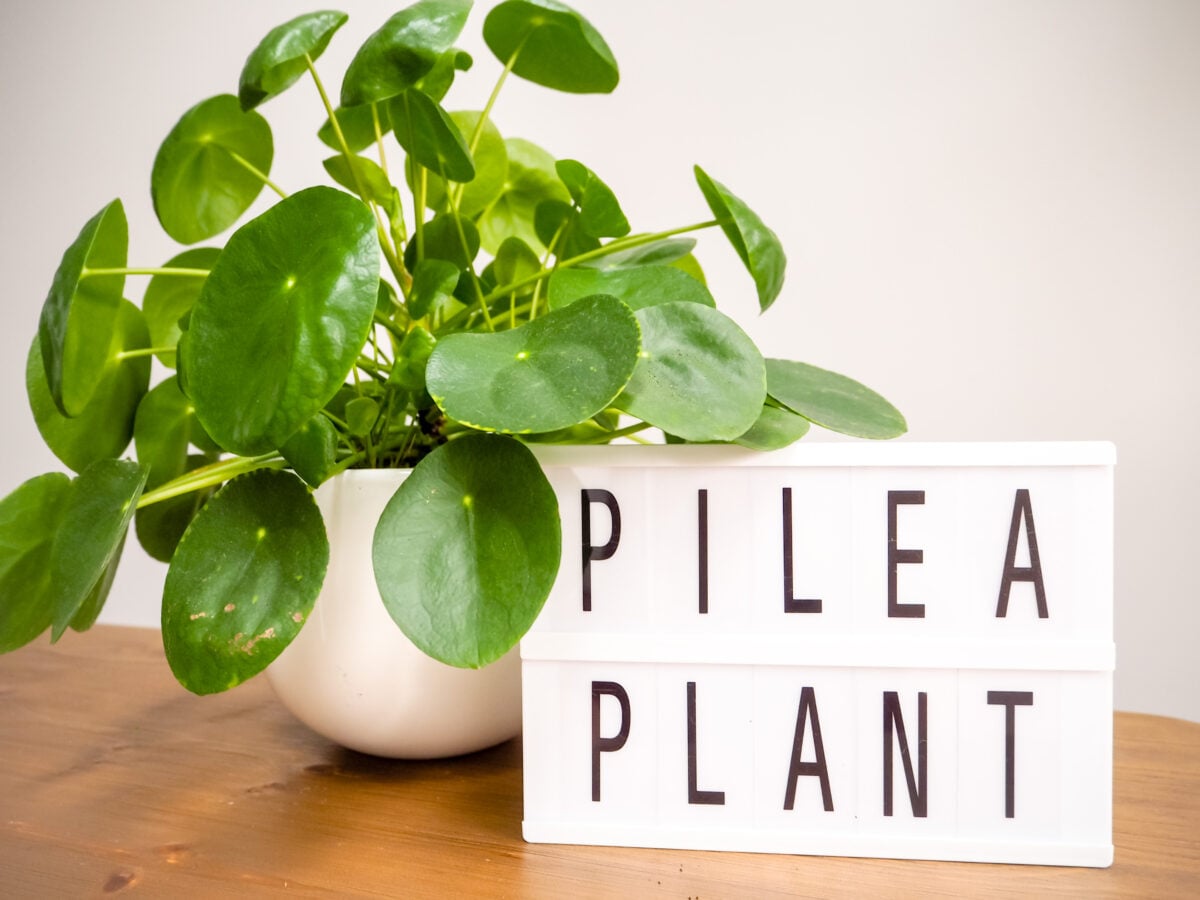
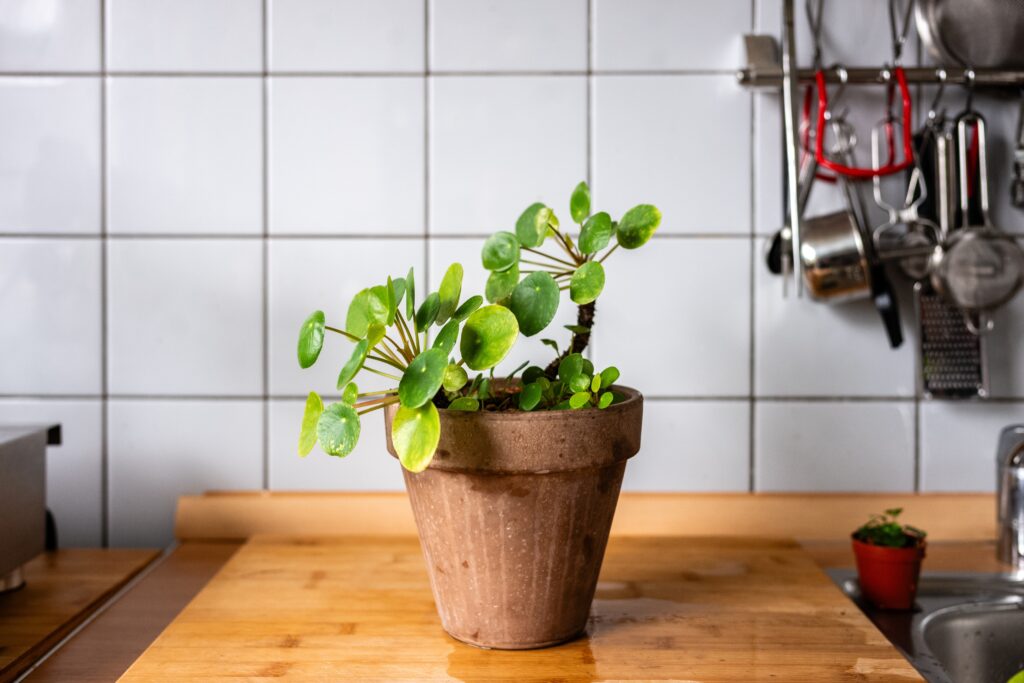
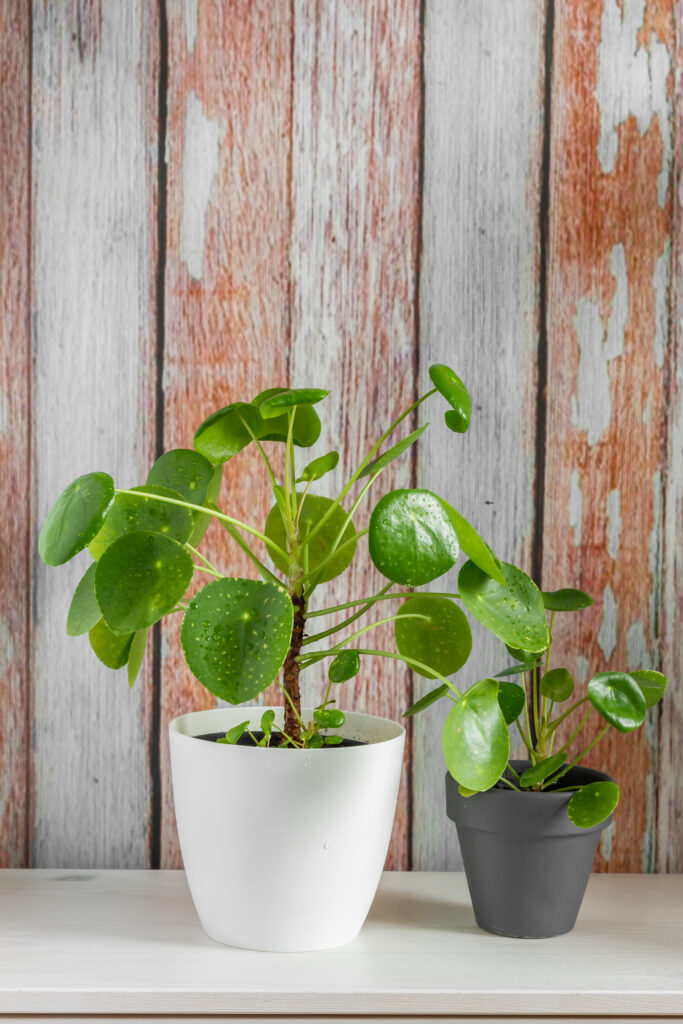
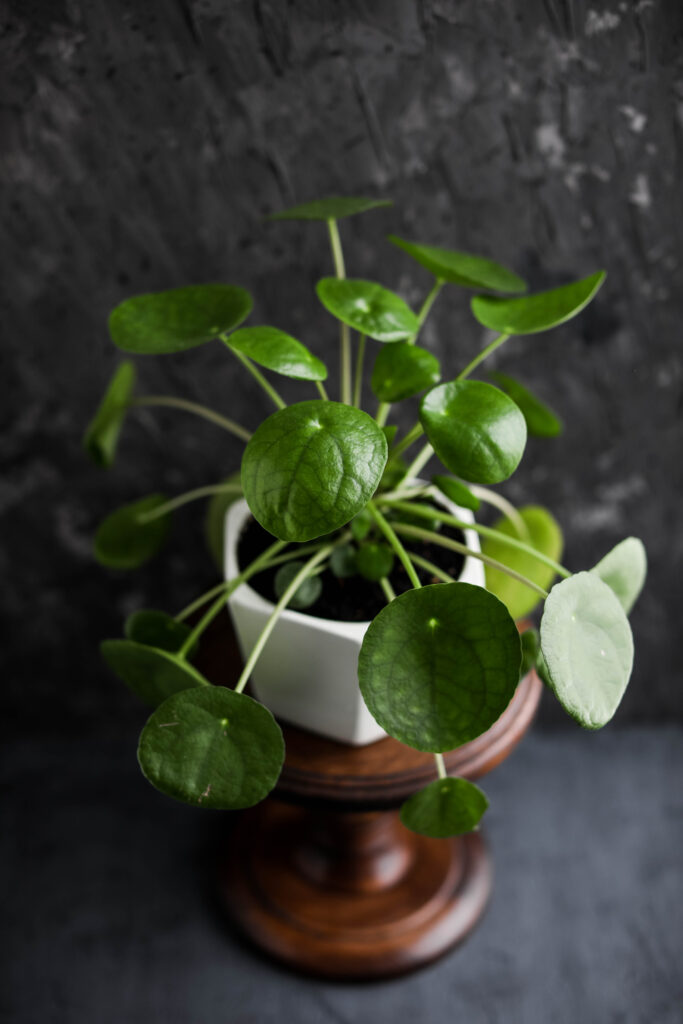
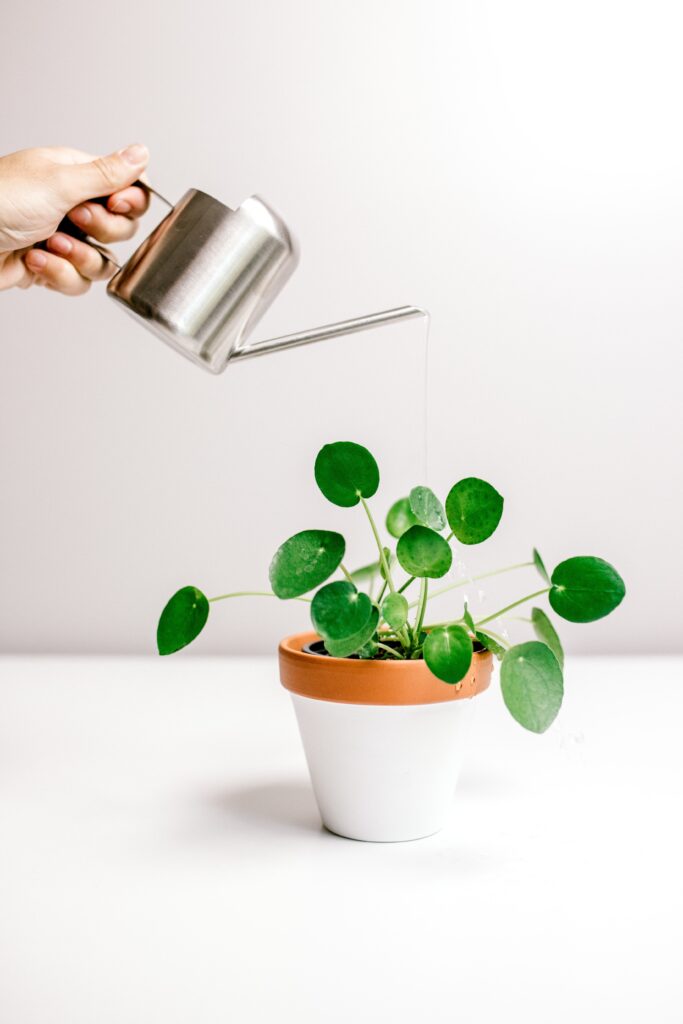
Chinese money plants are one of those plants you notice straight away. The leaves sit out on long stems like little green coins, and when the light hits them, they almost look like they’re floating.
They’re compact, a bit quirky, and easy to move around the house until you find a spot they really like.
Once it settles in, it’s not a demanding plant at all. It just needs the basics done right, and it will tick along happily and start sending up baby plants before you know it. Here are my top tips to help you get started.
What Is a Chinese Money Plant?
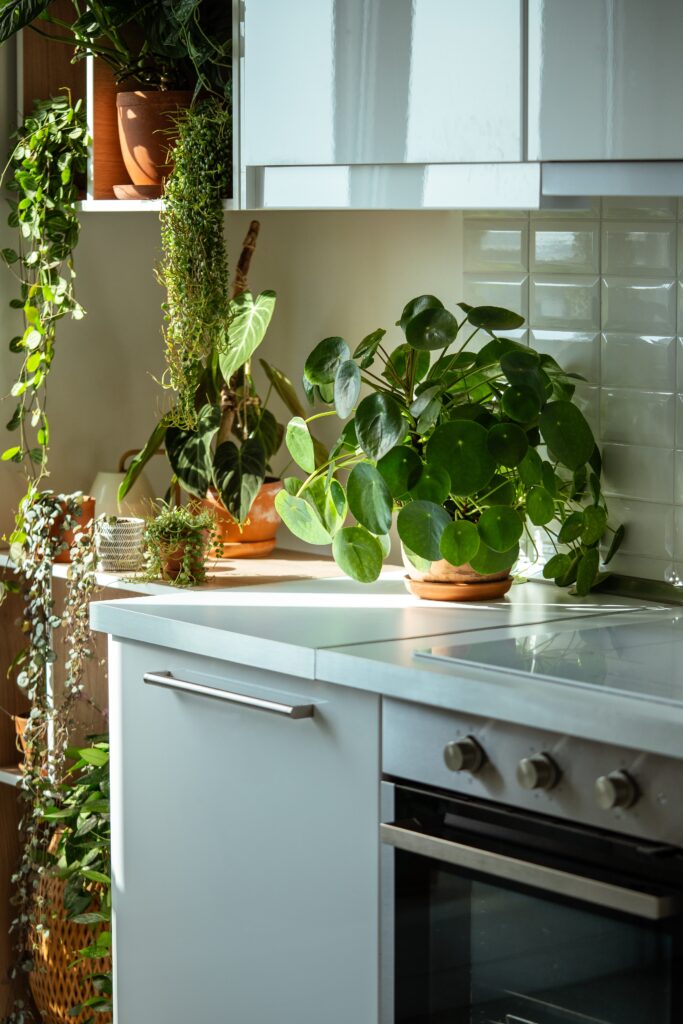
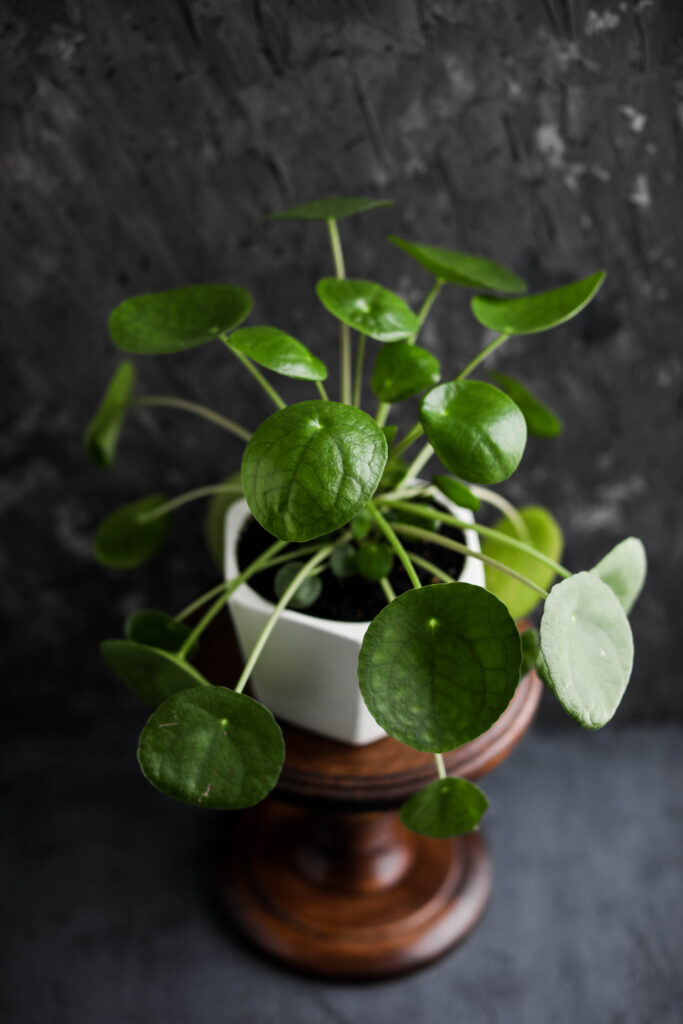
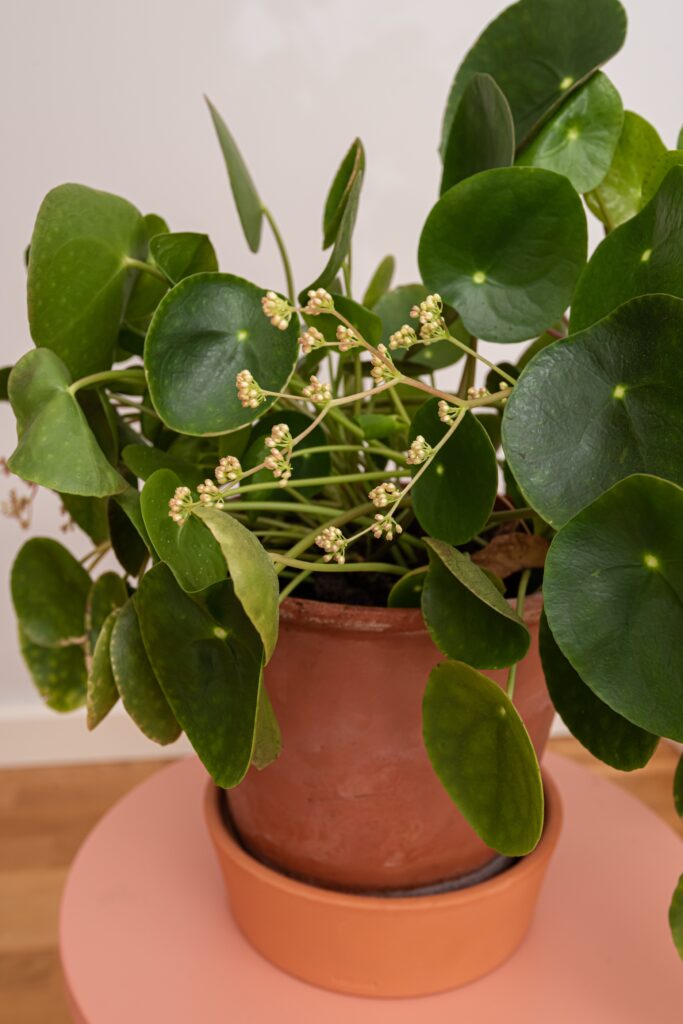
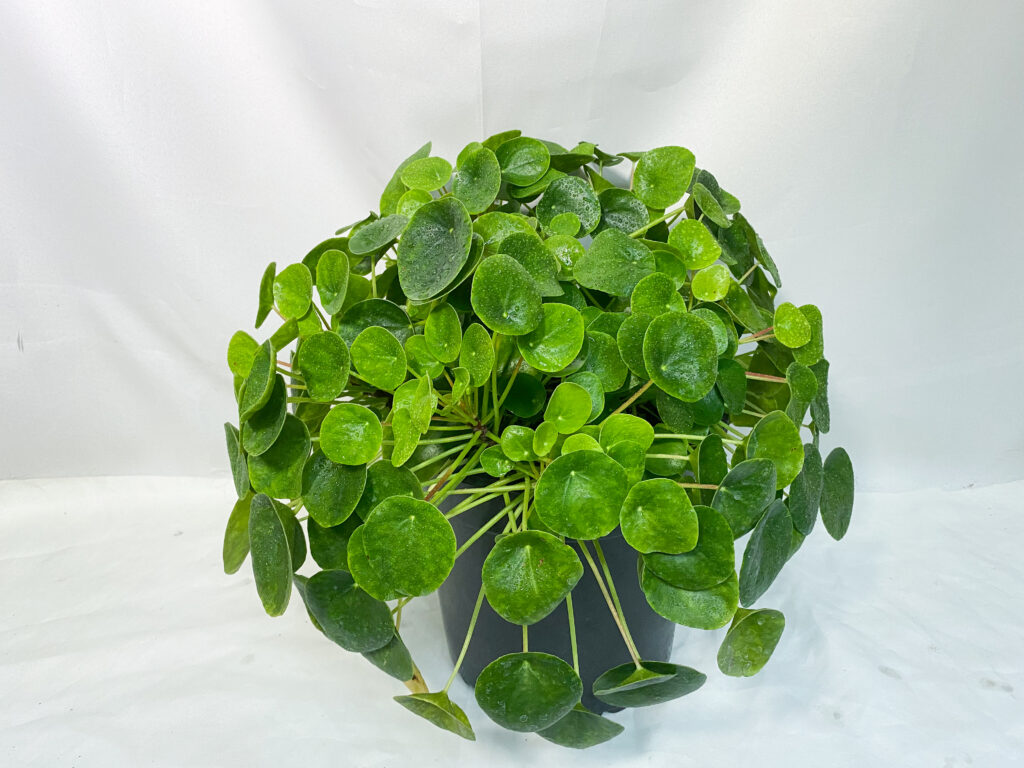
The Chinese money plant, also known as Pilea peperomioides, is a compact indoor plant known for its flat, round leaves that sit on long, upright stems.
It originally comes from southern China and prefers bright, indirect light and moderate conditions indoors. You might also hear it called the “pancake plant” or “coin plant,” which makes sense once you see the leaves.
One of the best things about Pilea is how easily it produces baby plants. These little offshoots grow from the base and can be separated to grow new plants, which is why it’s often shared between friends.
Finding the Right Spot
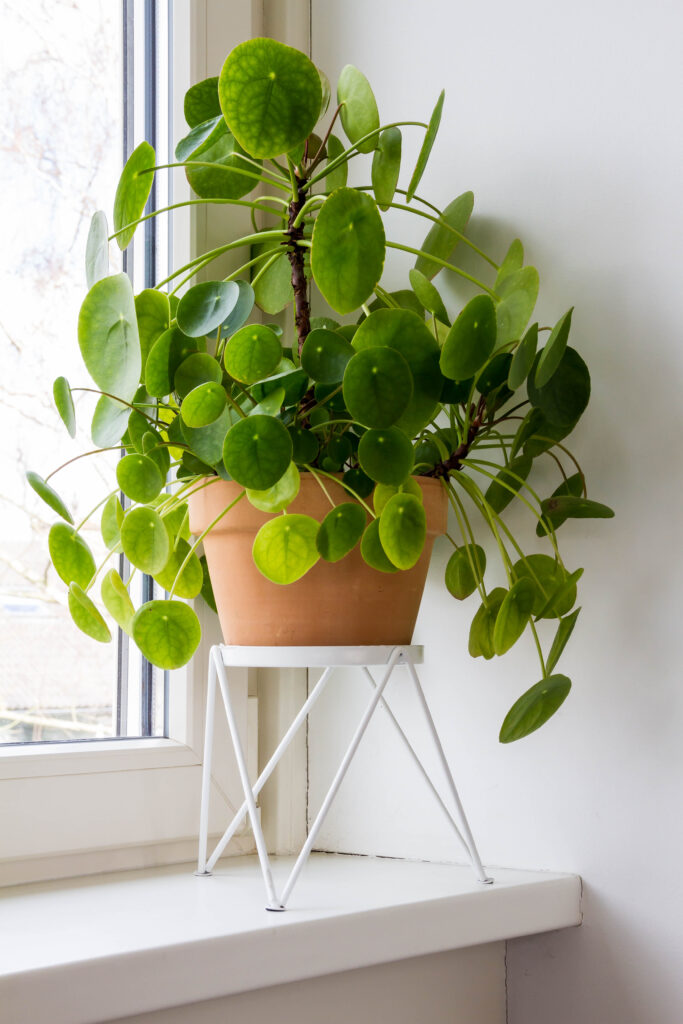
Chinese money plants do best in bright, indirect light. A position near a window works well, as long as the sun isn’t hitting the leaves directly for long periods.
If the light is too strong, you might notice the leaves fading or developing pale patches. If it’s too low, the plant can start to stretch, with longer stems and more space between leaves.
If your plant starts leaning toward the light, that’s normal. Just rotate the pot every week or two to keep the growth balanced.
Watering Your Chinese Money Plant
This is where most people run into trouble. Chinese money plants like their soil to dry out a bit between waterings. Let the top couple of inches dry before giving it another drink.
When you do water, soak the soil thoroughly and let any excess drain away. Don’t leave the pot sitting in water. As a rough guide:
- Warmer months: about once a week
- Cooler months: every 10 – 14 days
But always check the soil first. That matters more than the schedule. If something’s off:
- Yellow leaves often mean too much water
- Drooping with dry soil usually means it needs a drink
Pilea Potting Mix and Drainage
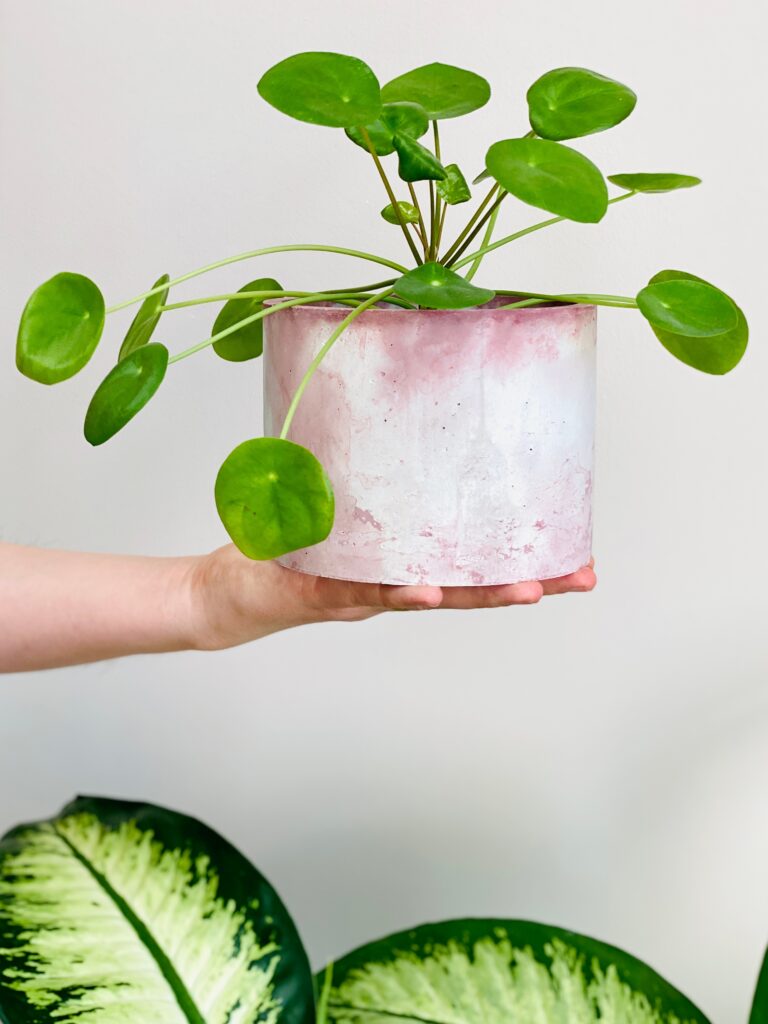
Pilea prefers a light, well-draining mix that doesn’t stay wet for too long.
A simple setup works well:
- standard indoor potting mix
- add a bit of perlite to improve drainage
Make sure your pot has drainage holes. That’s the biggest thing that prevents problems.
Temperature and Humidity
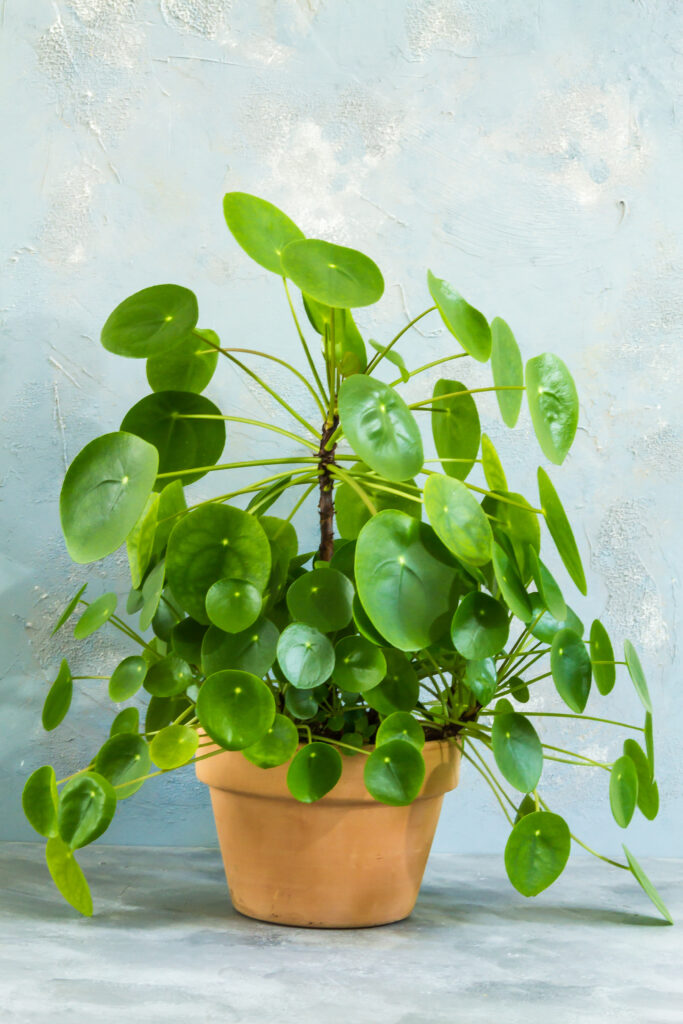
Chinese money plants are pretty easygoing indoors. They’re happy in normal room temperatures and don’t need high humidity to do well. Just keep them away from cold drafts, heaters, or sudden temperature swings.
If your home feels comfortable to you, it’s probably fine for your plant too.
Fertilizing Your Chinese Money Plant
You don’t need to do much here!
During spring and summer, a light feed once a month is enough to support healthy growth. A balanced liquid fertilizer works fine. In cooler months, you can skip feeding altogether.
When and How to Repot
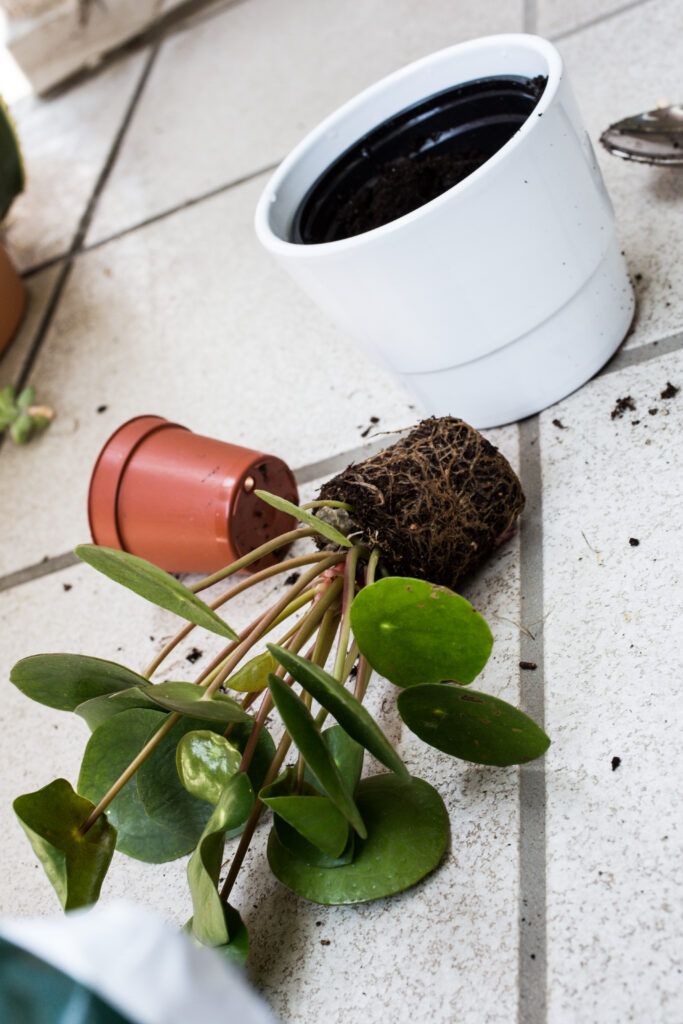
Pilea doesn’t need frequent repotting, but it will let you know when it’s starting to outgrow its space.
A few signs to watch for:
- Roots coming out of the drainage holes or circling the bottom
- Soil drying out much faster than usual, even after a good watering
- Growth slowing down during the warmer months
When you do repot, go up just one pot size. A pot that’s too large can hold onto excess moisture, which makes overwatering more likely.
Gently loosen the roots, place the plant into fresh potting mix, and water it in well. After repotting, keep it in bright, indirect light and avoid heavy watering for the first week while it settles in.
Propagating Chinese Money Plant
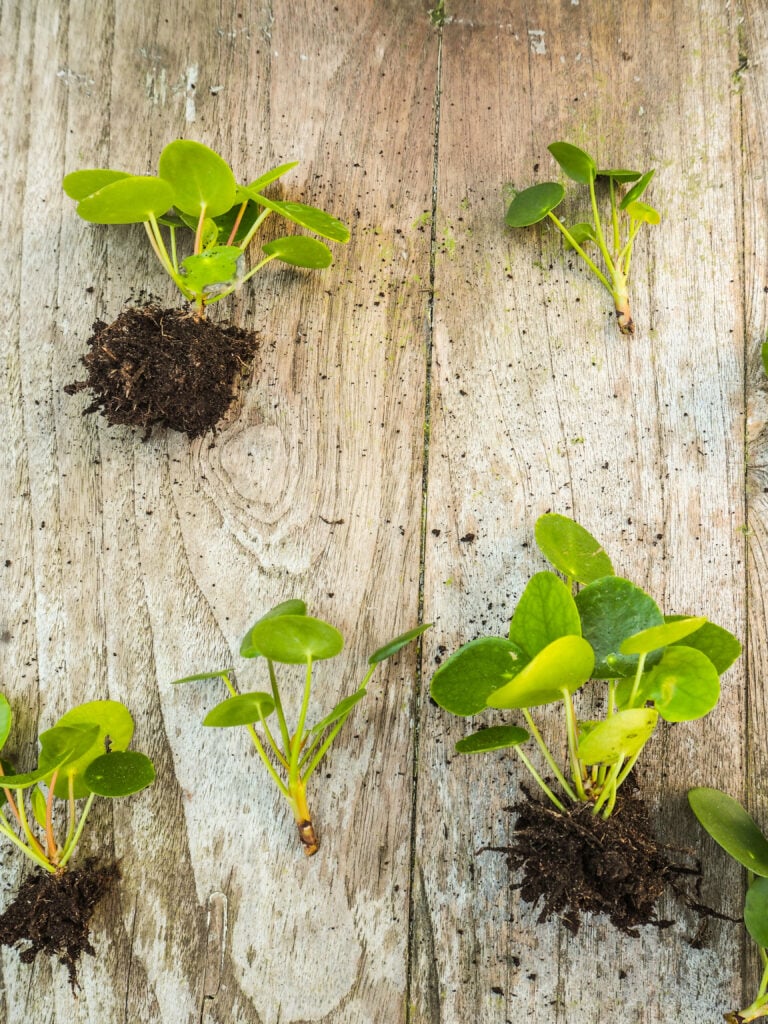
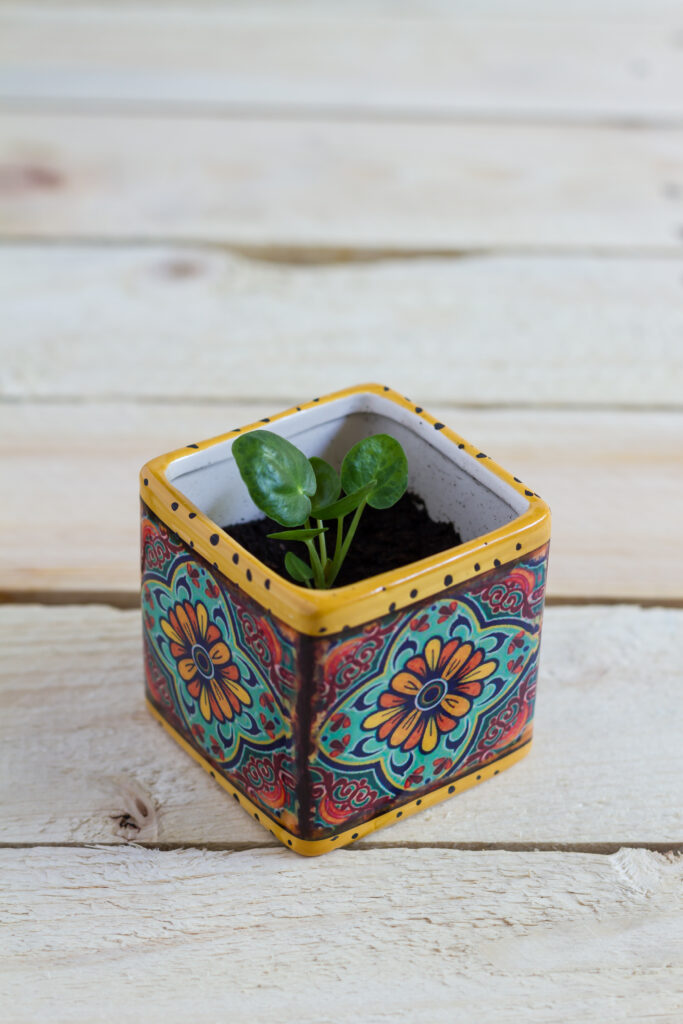
This is where Pilea really shines. Those small “baby” plants that pop up around the base can be turned into new plants pretty easily.
Wait until the baby plant is at least a few inches tall and has a couple of its own leaves. Then gently move the soil aside and look for where it connects to the main plant. Using clean scissors or a small knife, cut it free, making sure it has a bit of root attached.
From there, you’ve got two simple options.
You can plant it straight into soil, which is the easiest. Use a light potting mix, water it in, and keep the soil slightly moist while it settles.
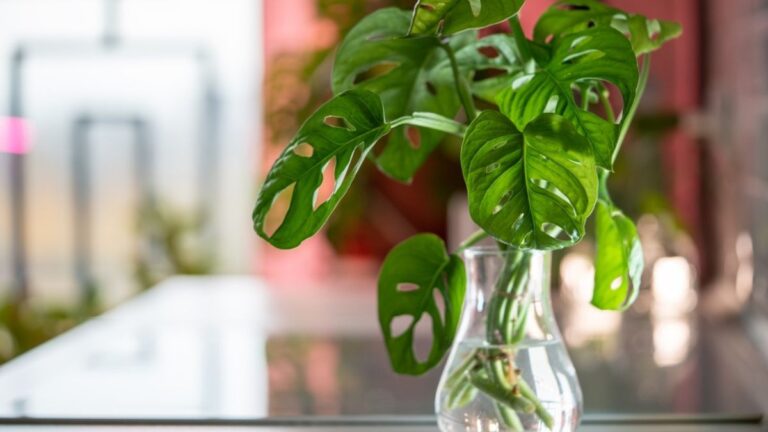
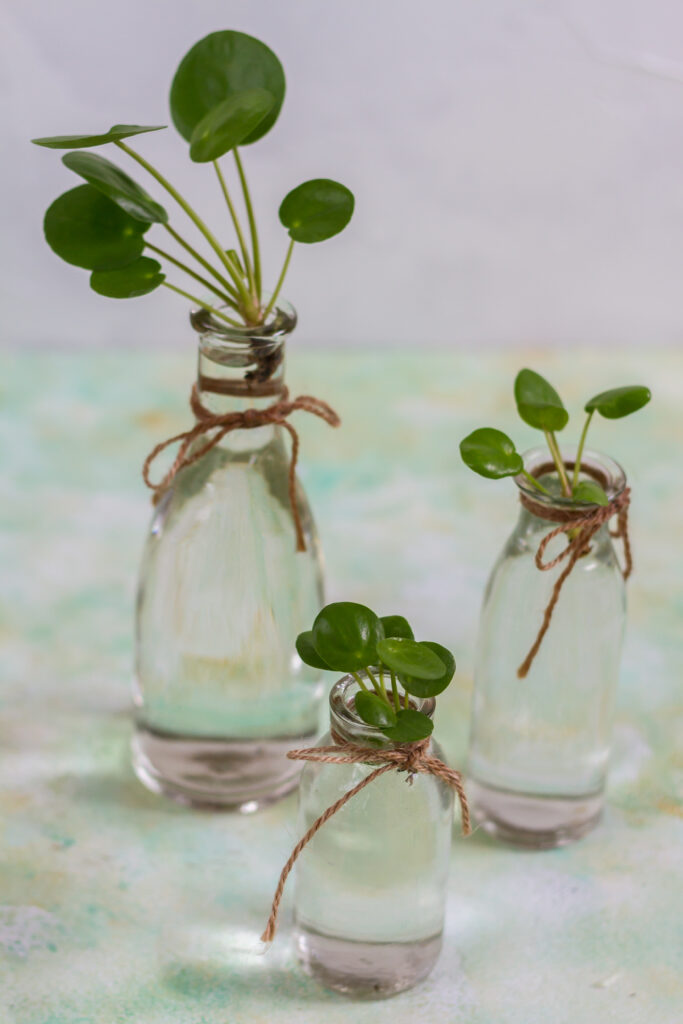
Or you can place it in water first. This lets you see the roots develop, which some people prefer. If you go this route, wait until the roots are a few centimetres long before moving it into soil.
Keep the new plant in bright, indirect light and give it a bit of time. It might sit still for a week or two, then you’ll usually see fresh growth once it’s settled in.
Is Chinese Money Plant Safe for Pets?
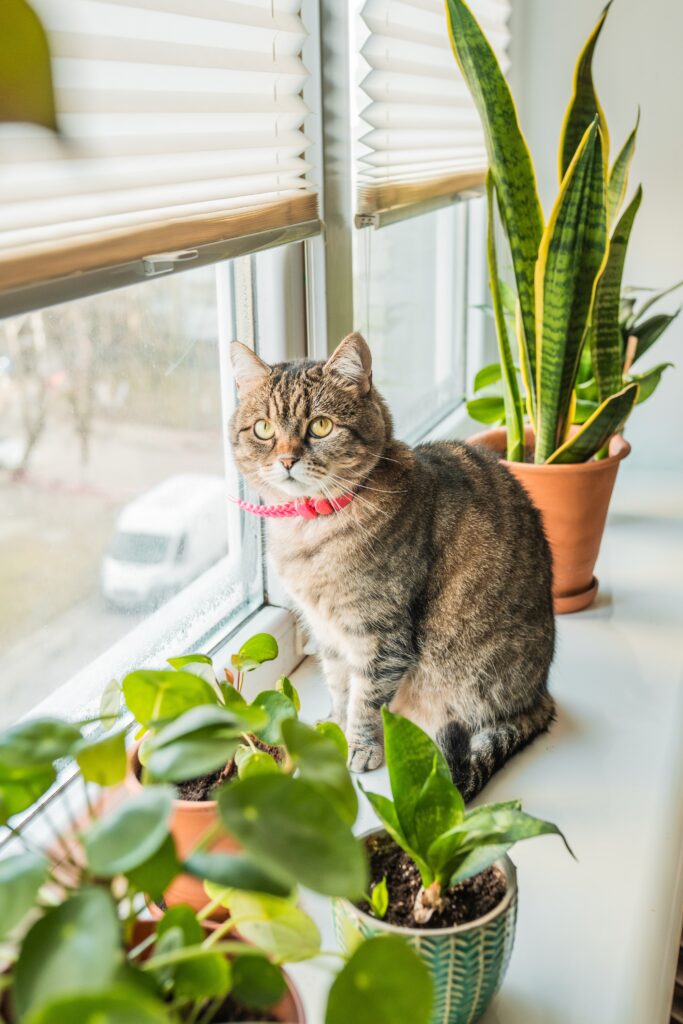
Yes. Chinese money plants are considered non-toxic to cats and dogs, which makes them a good choice for homes with pets.
Common Problems (and What to Watch For)
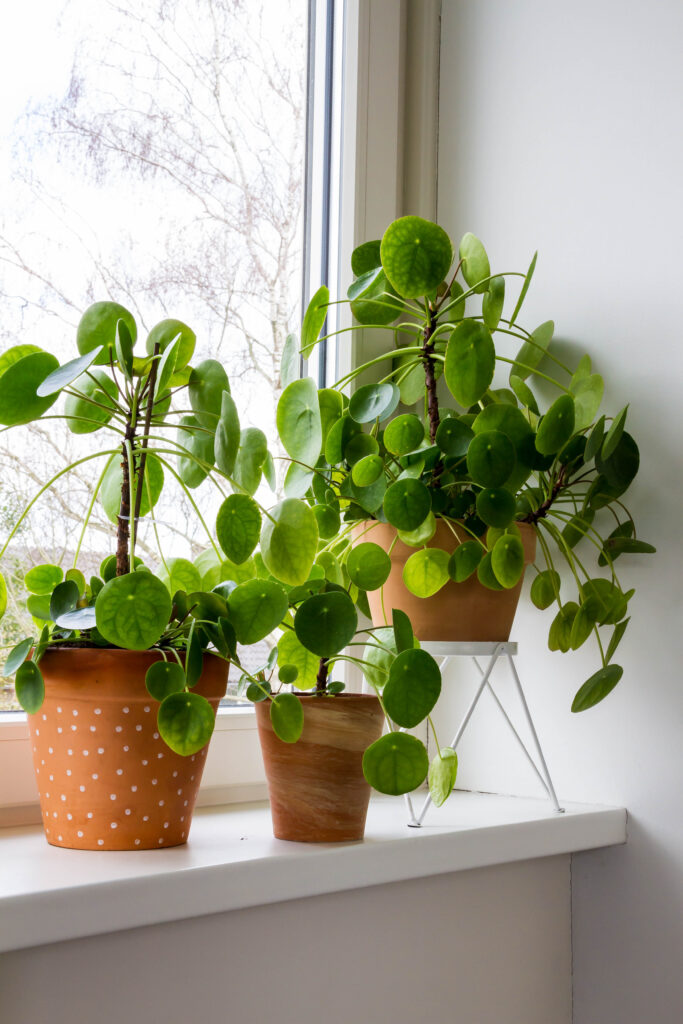
Leggy growth
If your plant starts looking stretched, with long stems and more space between the leaves, it’s usually chasing light. Move it closer to a brighter spot with indirect light and rotate the pot regularly so it grows evenly. New growth should start to look more compact again.
Leaves curling
Curling leaves often come down to inconsistency. This can happen if the soil swings between too dry and too wet, or if the plant is dealing with temperature changes or drafts. Check your watering rhythm and try to keep conditions steady.
Yellowing leaves
Yellow leaves are most often a sign the plant is getting too much water. If the soil is staying damp for long periods, let it dry out a bit more between waterings and make sure excess water can drain away easily. If it’s just one or two older leaves at the base, that’s normal.
Slow growth
Growth naturally slows down in cooler months, so don’t worry if it seems to pause for a while. If it stays slow during the growing season, it’s usually a sign the plant needs more light. A brighter position often makes a noticeable difference over time.
Final Tips for Healthy Growth
A few simple habits make a big difference to your beautiful Chinese money plant:
- Rotate your plant regularly so it grows evenly
- Let the soil dry slightly between watering
- Keep it in bright, indirect light
- Don’t rush to repot unless it needs it
Chinese Money Plant Ideas and Inspiration
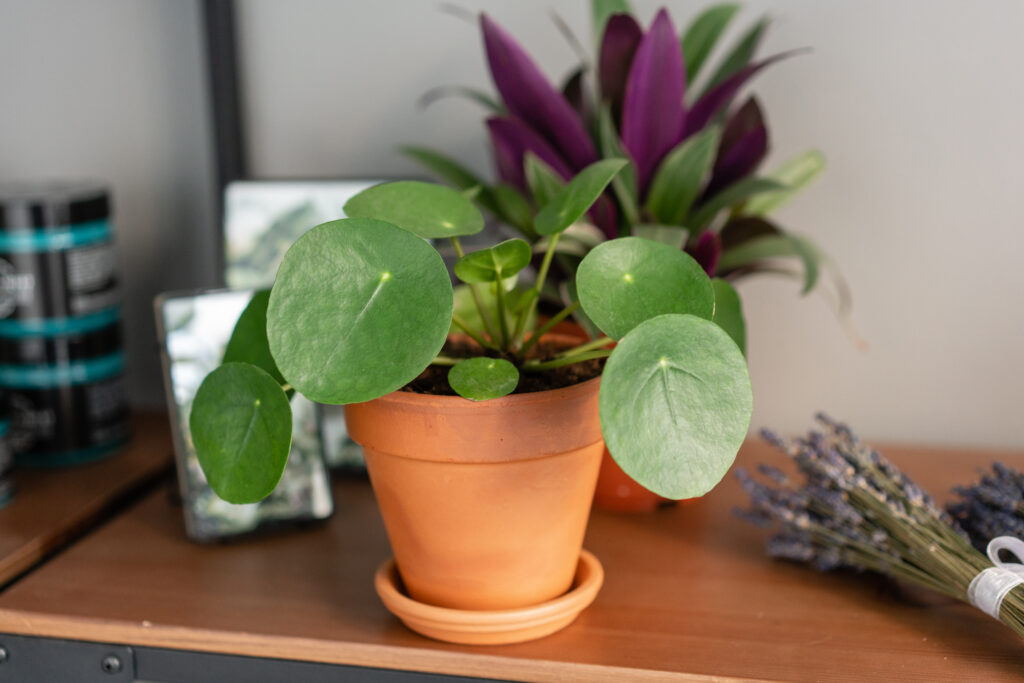
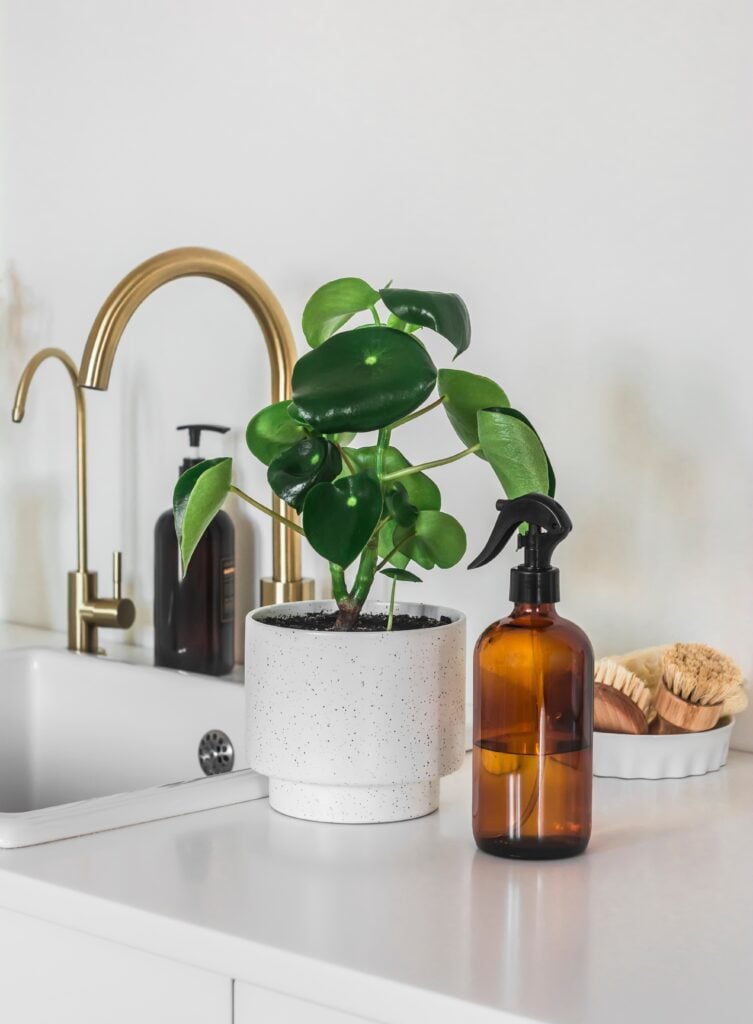
Chinese money plants are easy to manage, quick to multiply, and genuinely enjoyable to watch as they grow. They don’t take up much space, and they reward you with new plants over time.
If you want something a little different that still fits easily into everyday life, this is a great one to have around.