Monstera Plant Care 101: Easy Tips for New Plant Parents
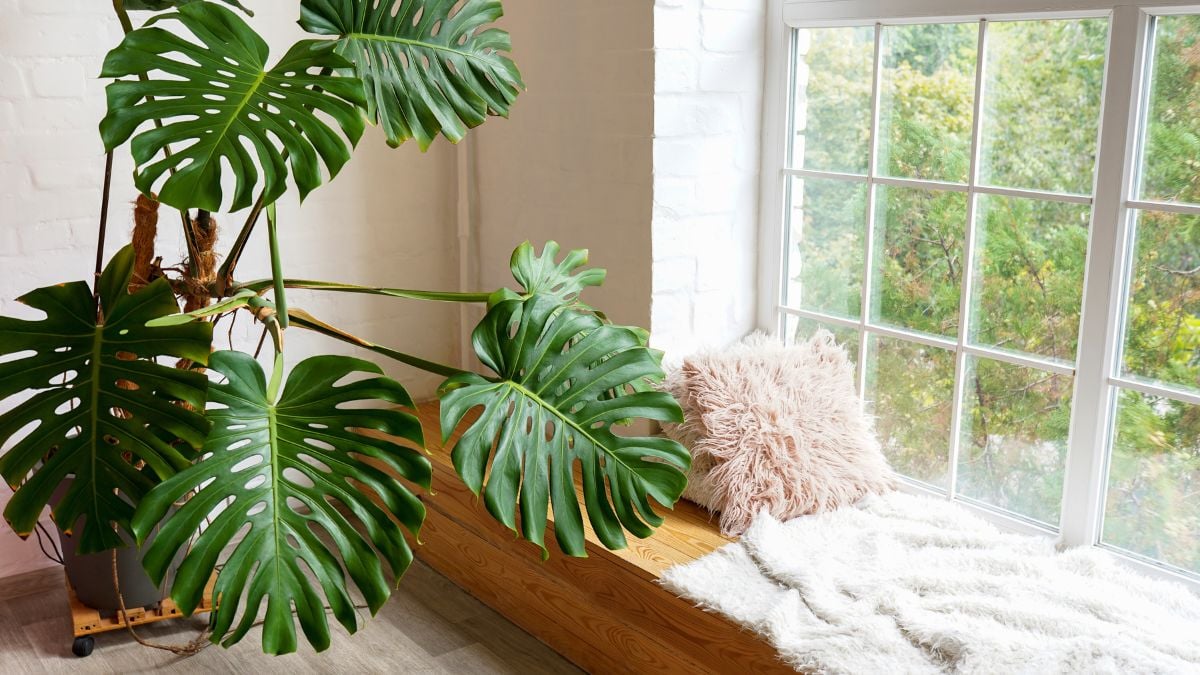
If you’ve just brought home a monstera and you’re wondering what comes next, you’re in the right place. Monsteras are some of the most rewarding indoor plants to grow. With the right care, they grow fast, look incredible, and give you that lush jungle vibe that makes a space feel alive. Here’s everything you need to know to help your monstera thrive.
What Is a Monstera, Really?
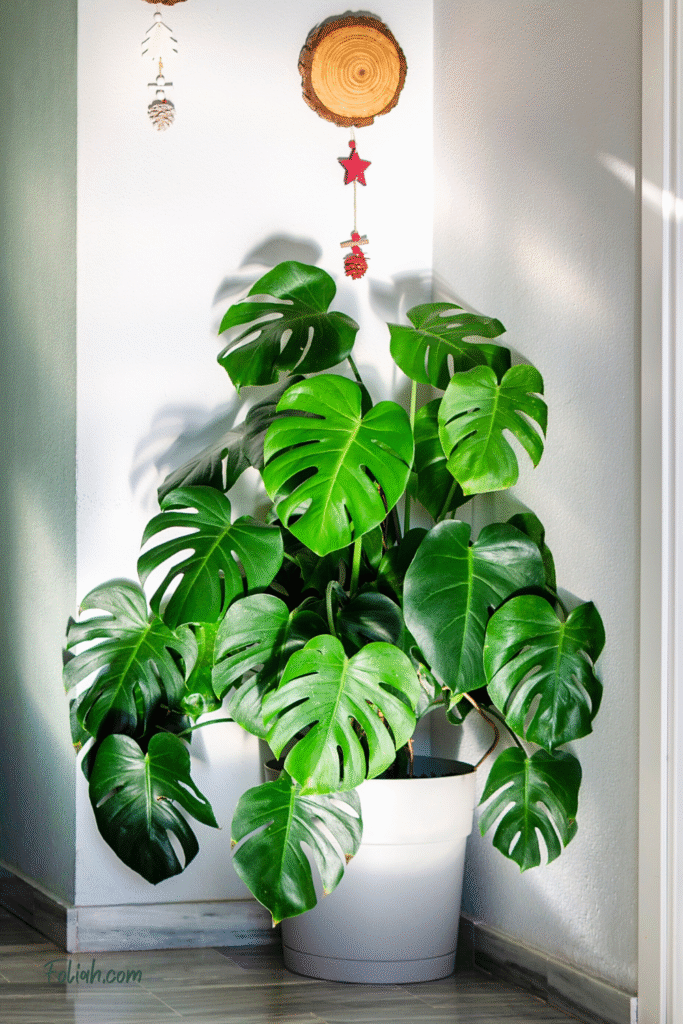
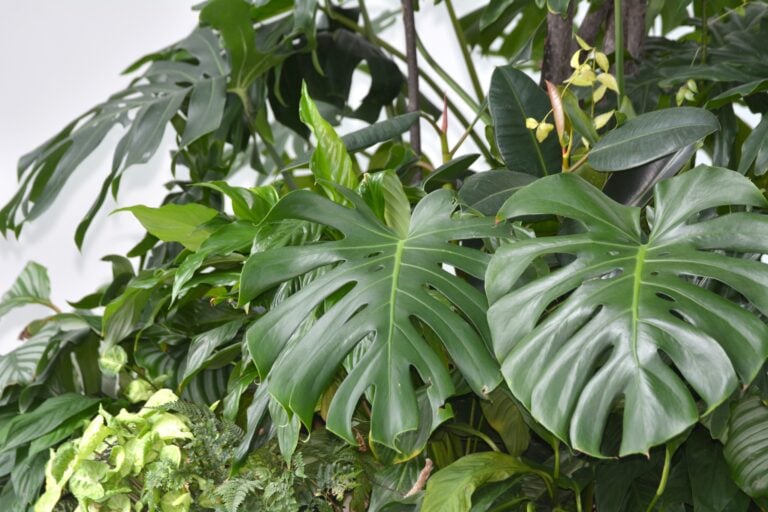
The most popular monstera variety is Monstera deliciosa, also known as the Swiss cheese plant because of its large leaves with natural holes. It’s a tropical plant native to Central America that loves warmth, moisture, and filtered sunlight.
There are also other types, like Monstera adansonii (with smaller, more delicate holes) and Monstera dubia (a shingling climber), but this guide focuses mainly on Monstera deliciosa since it’s the easiest one to start with.
Best Spot in the House for a Monstera
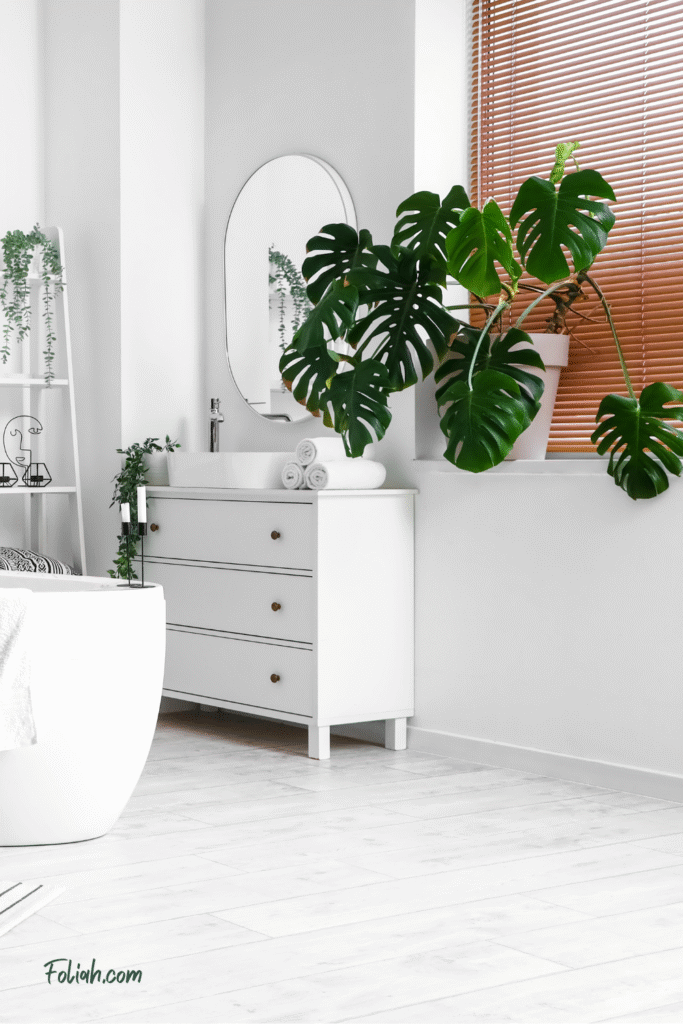
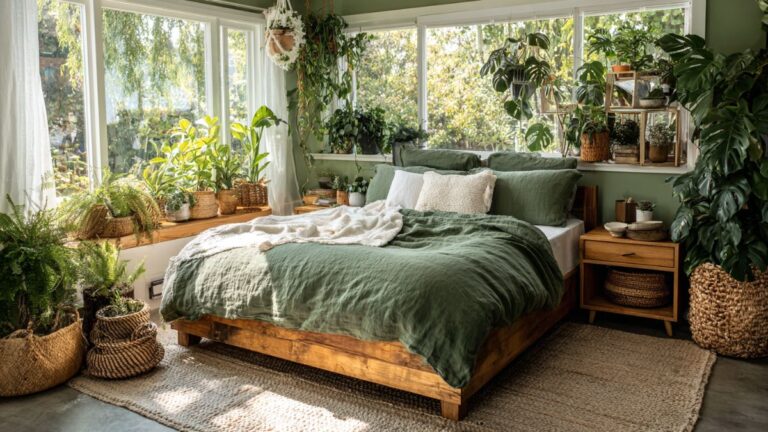
Monsteras love bright, indirect light. A spot near a window where sunlight is filtered through sheer curtains is perfect. Too much sun and the leaves might scorch, but too little and the growth will slow down.
If your leaves look small and plain instead of big and split, they’re probably not getting enough light. Move it closer to a brighter spot and you’ll usually see new, more mature leaves within a few weeks.
Avoid:
- Direct sunlight on the leaves for hours each day
- Dark corners with no nearby windows
Watering: Less Is More
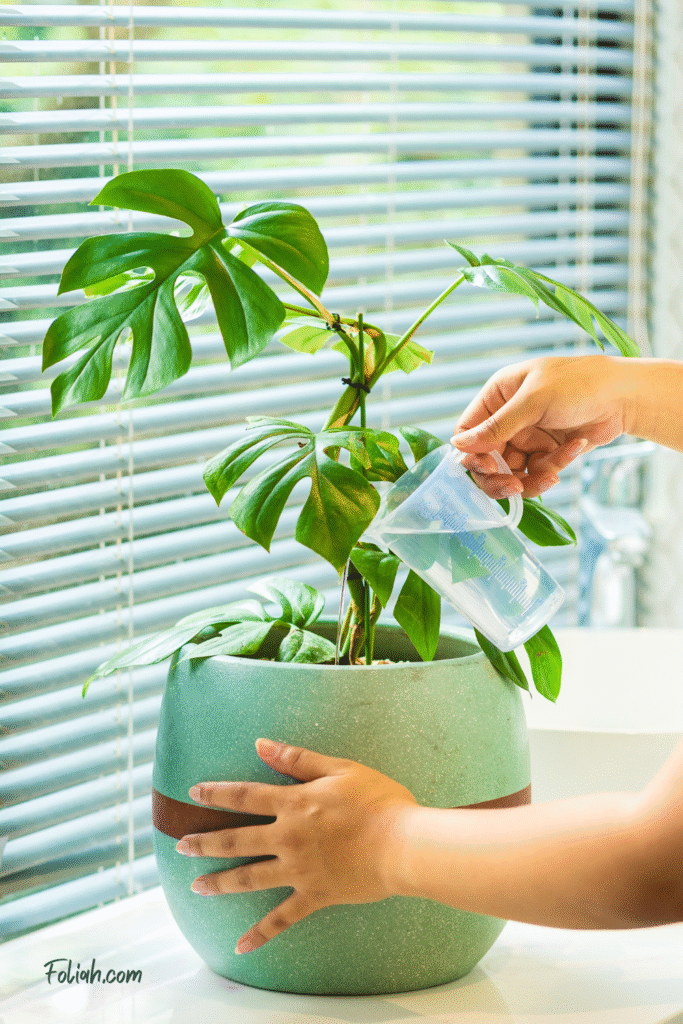
Monsteras like moist soil but hate sitting in water. Overwatering is one of the fastest ways to kill your plant.
Let the top few inches of soil dry out before watering again. In summer, that might mean watering every week. In winter, it could be once every two or three weeks. Always check the soil with your finger before grabbing the watering can.
Quick tip: If the leaves are drooping and the soil is dry, it probably needs a drink. If they’re drooping and the soil is wet, you might be overwatering.
Potting Mix and Drainage
Use a chunky, well-draining mix. Think potting soil mixed with perlite, orchid bark, or even some coco coir. This keeps the roots happy and prevents soggy soil.
Good potting mix combo:
- 2 parts high-quality potting mix
- 1 part perlite
- 1 part orchid bark
Also, make sure your pot has drainage holes. No exceptions.
Does It Need a Moss Pole?
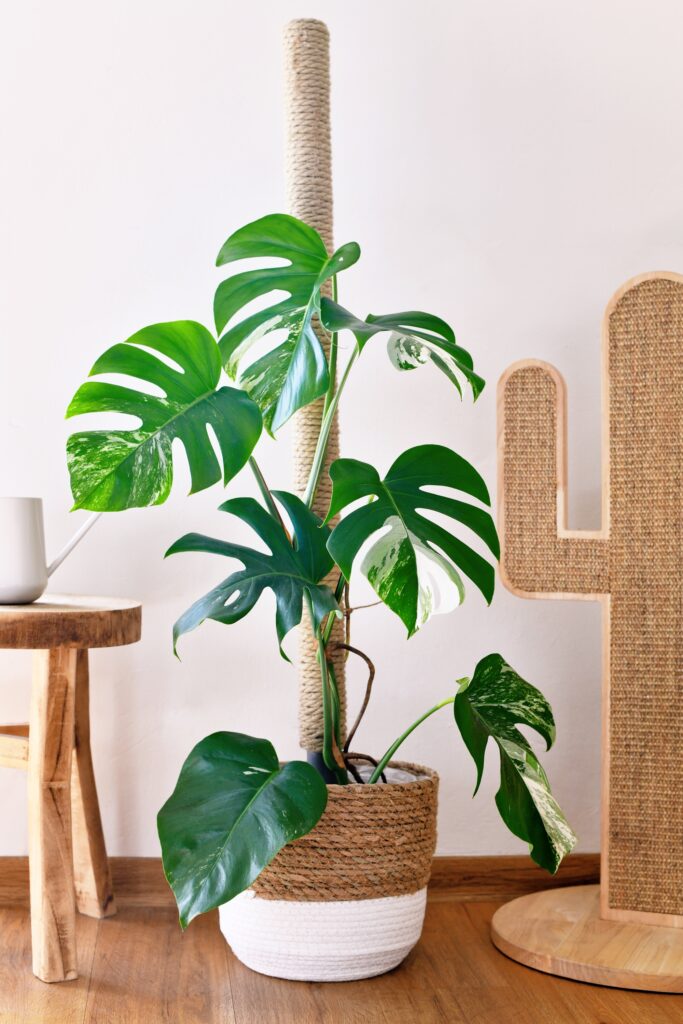
You’ve got two choices when it comes to how your monstera grows. As monstera plants grow, they put out aerial roots and love to climb. If you want that tall, upright look with big dramatic leaves, give it something to climb like a moss pole, coir pole, or stake. This supports the plant as it gets bigger and encourages those classic splits and holes in the leaves.
Or, let it sprawl!
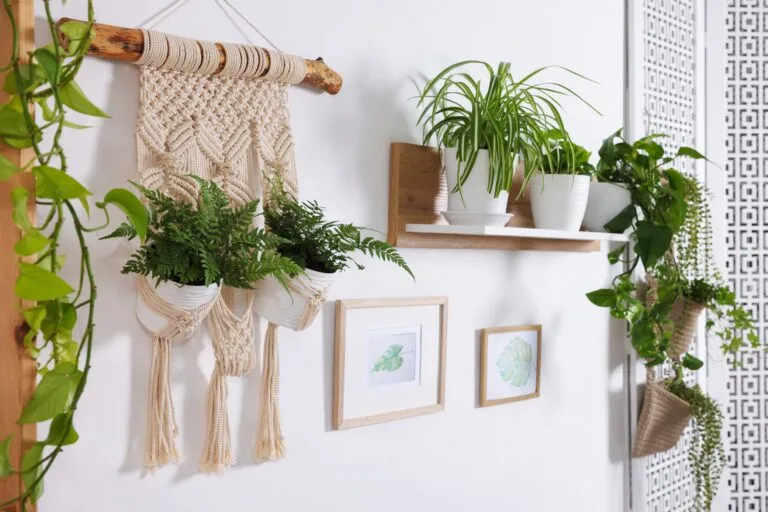
Without support, your monstera will naturally start to trail and lean, often spilling over the edge of its pot. This gives it more of a relaxed, wild look that is great for shelves, hanging planters, or large pots on the floor. Neither option is wrong. It just depends on the style you like and the space you’ve got.
Keep the Leaves Clean
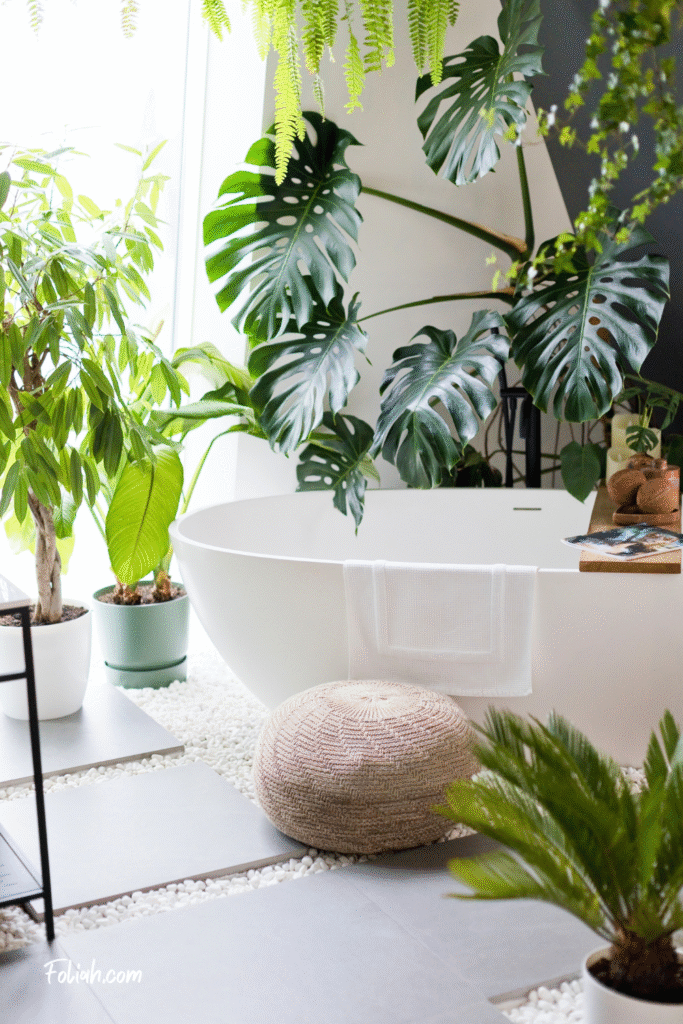
Monsteras have big, broad leaves that love to collect dust. A dusty leaf can’t absorb light properly, and it’s more prone to pests. Every couple of weeks, give the leaves a gentle wipe with a damp cloth. You don’t need to use anything fancy. Just water is fine. Support each leaf with one hand while you wipe it with the other to avoid damaging the stems.
Another easy option? Take your monstera into the shower. A lukewarm rinse mimics rain in the wild and helps wash off dust and minor pests. Just don’t blast it with cold water or high pressure. Let it drip dry somewhere warm and bright afterward.
Regular cleaning keeps the plant healthy and makes the leaves look shiny and fresh.
Fertilizer: Just a Little Bit
During the warmer months, give your monstera a liquid fertilizer once a month. It doesn’t need anything fancy. Just a balanced, diluted feed that helps it push out those big, dramatic leaves. In cooler months, you can skip it altogether.
When and How to Repot
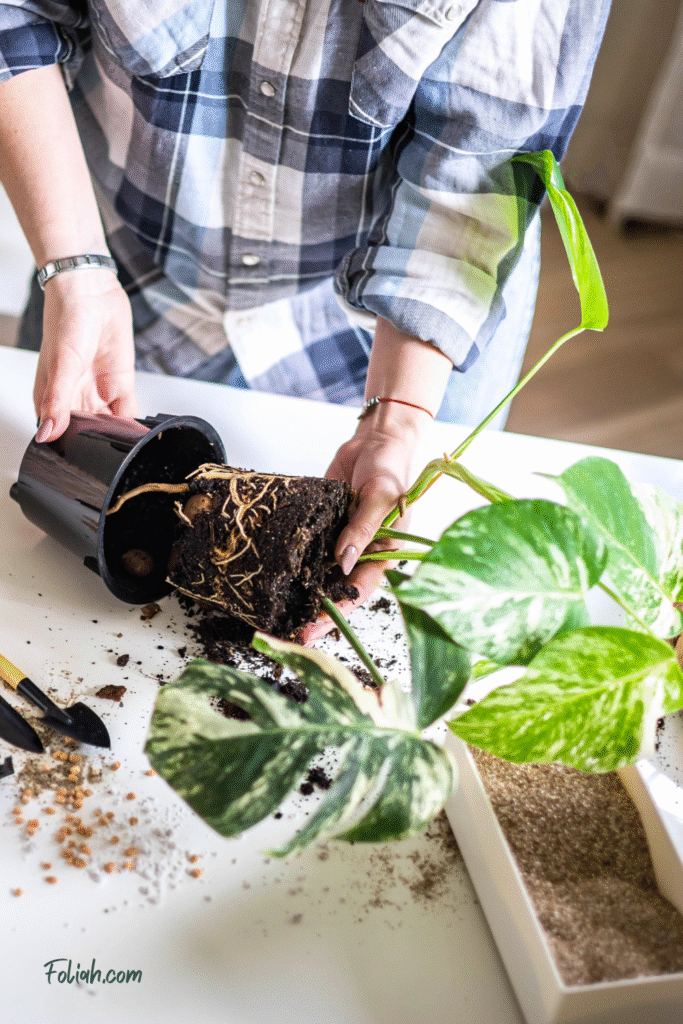
If your monstera is rootbound (roots poking out the drainage holes or circling the bottom), it’s time for a new pot. Spring or early summer is best, but if it’s suffering in a tiny pot, go ahead and do it any time.
Choose a pot 1–2 inches wider than the current one and refresh the soil while you’re at it.
Common Problems (and What to Do)
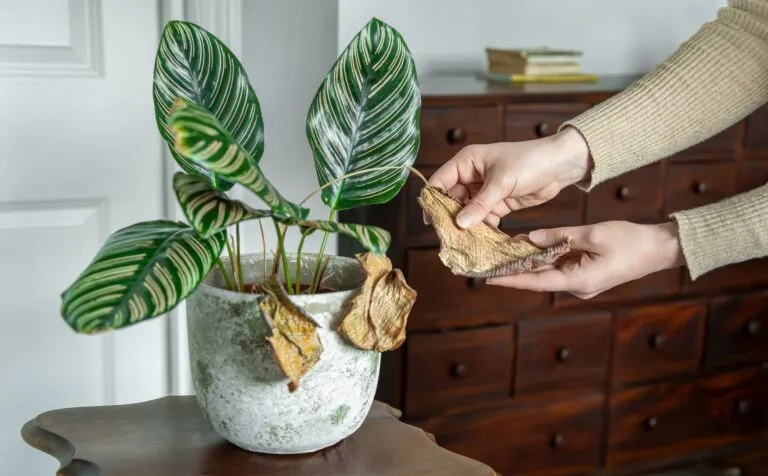
Yellow Leaves: Usually from overwatering. Let it dry out more between waterings.
Brown Crispy Tips: Often a sign of low humidity or too much direct sun.
No Fenestrations (Leaf Holes): Not enough light, or it’s just a young plant.
Leggy Growth: Reaching for more light. Move it to a brighter location.
Is Monstera Toxic to Pets?
Yes! All Monstera varieties are toxic to cats and dogs if eaten. Keep them out of reach or choose a safer plant if your pets are prone to nibbling.
Propagating Monstera (Super Easy)
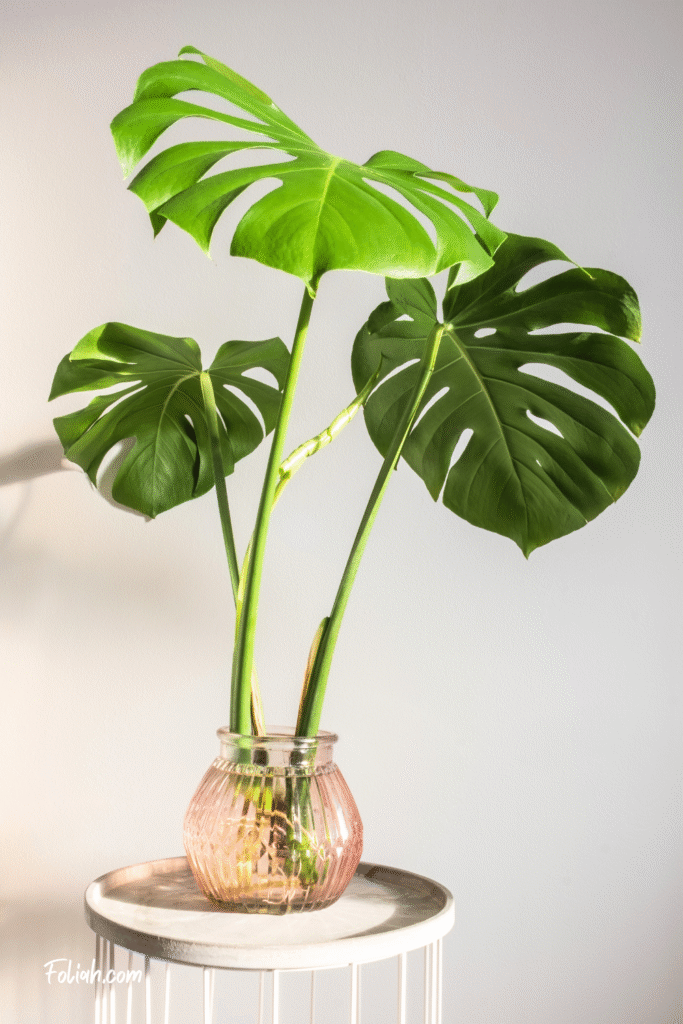
Propagating your gorgeous Monstera plant is easier than you might think. You can grow new plants from cuttings, whether you root them in water or plant them directly into soil. There’s also a third option, called air layering, that lets you root a cutting while it’s still attached to the mother plant. All three methods work well, so you can choose whichever suits your space and comfort level.
Learn exactly how to propagate your own in this step-by-step tutorial!
Final Tips for Happy Growth
- Rotate your plant every couple of weeks so it grows evenly
- Wipe the leaves with a damp cloth to keep them dust-free and able to breathe
- Don’t panic if a new leaf takes a while to unfurl. This is normal!
- Give it space to grow. Monsteras can get big over time
A Great Plant to Grow With
Monstera plants are forgiving, fast-growing, and a joy to watch. They’re perfect for new plant parents who want something that looks impressive without being too picky. Once you understand the basics, it’s a breeze.
Whether you’re styling your home with bold foliage or just want something green in the corner, a monstera is a great choice.