Monstera Thai Constellation Plant Care 101: Easy Tips for New Plant Parents
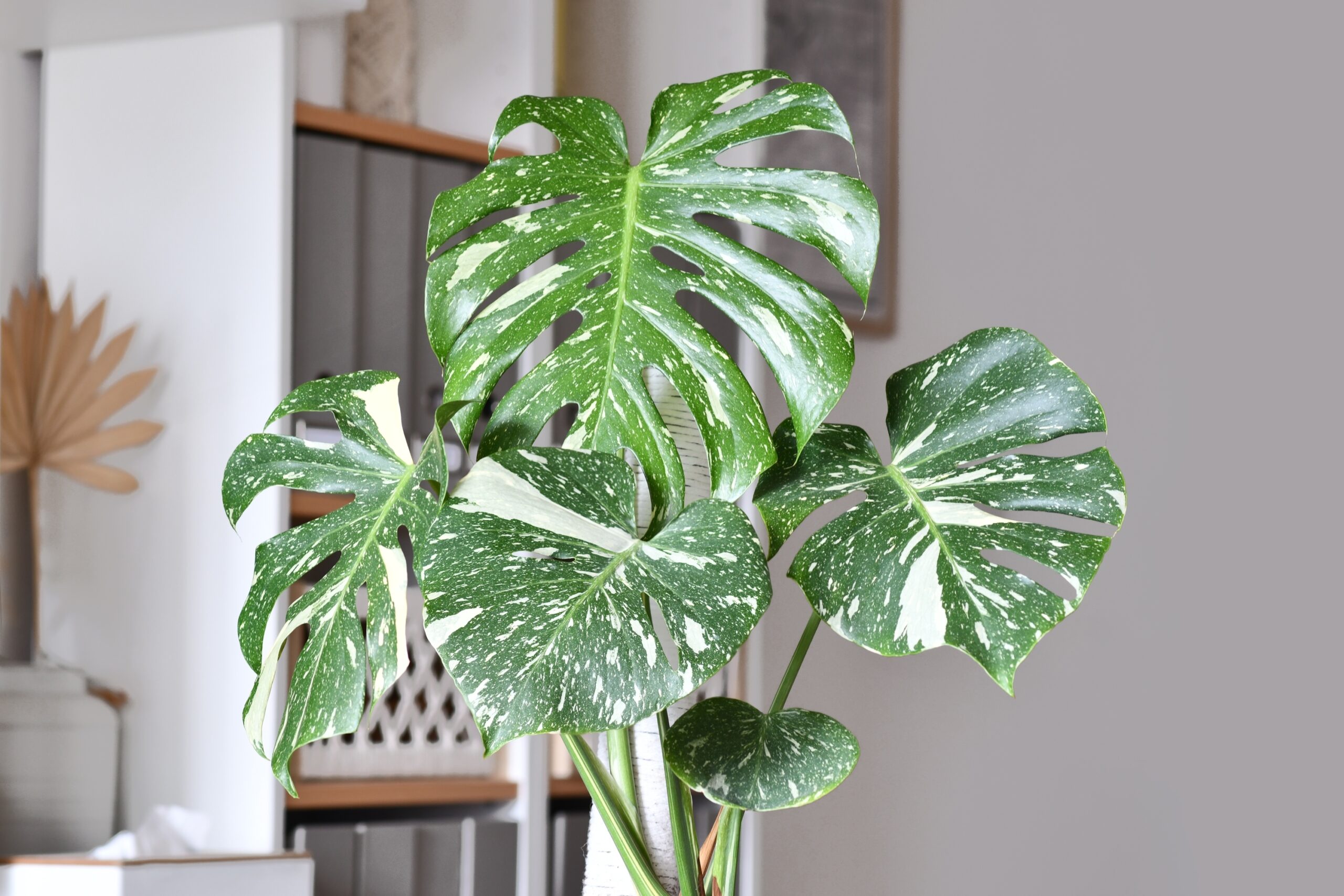
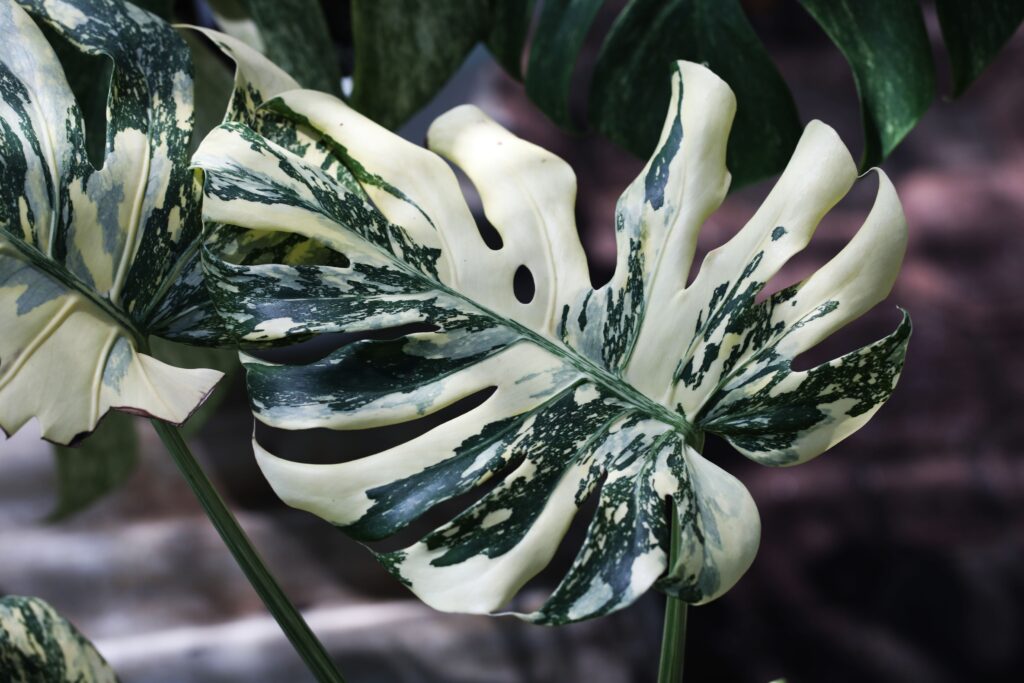
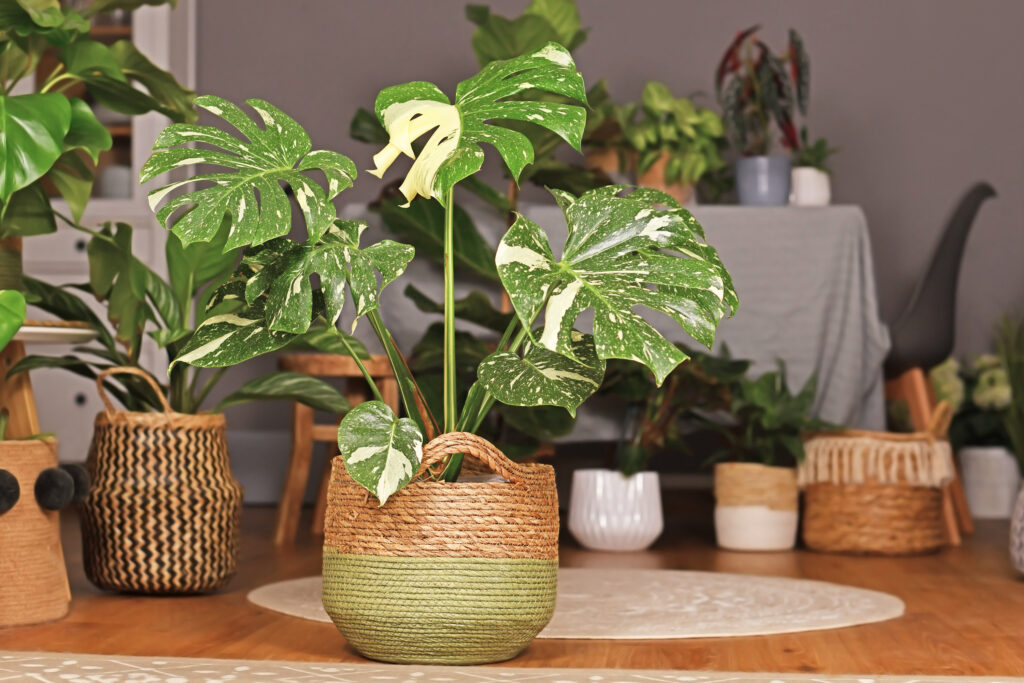
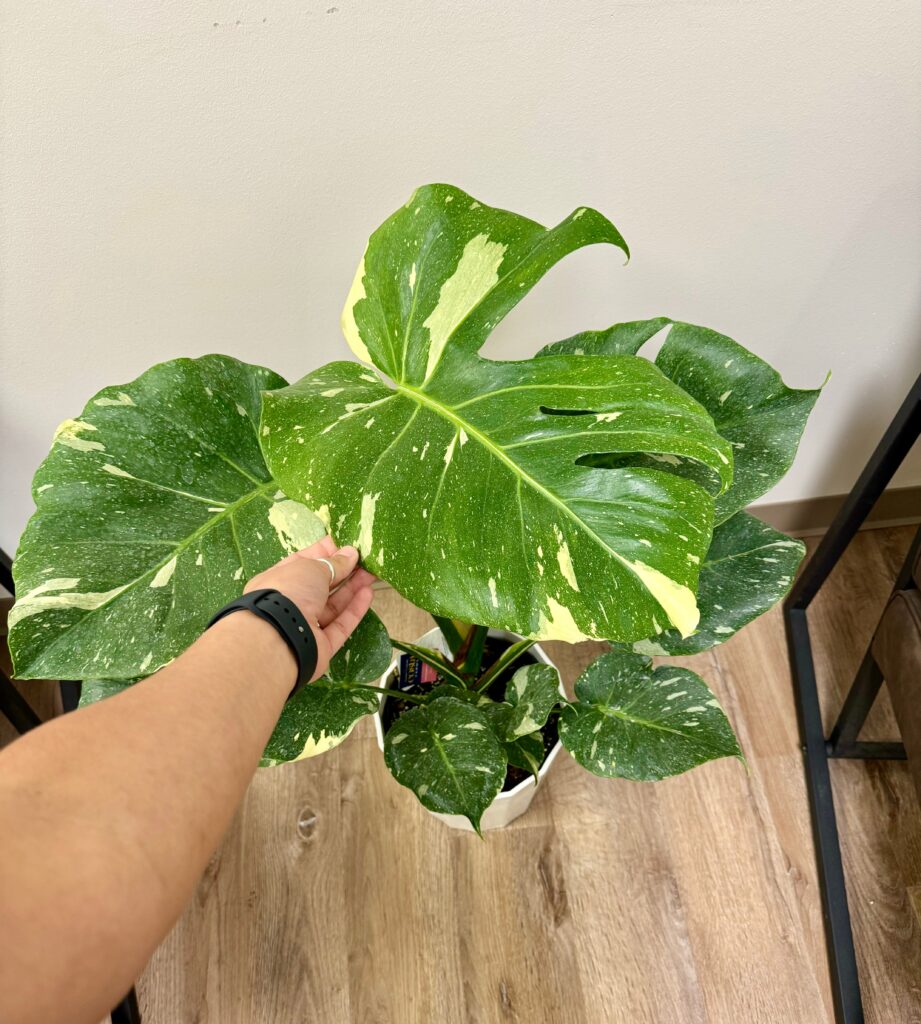
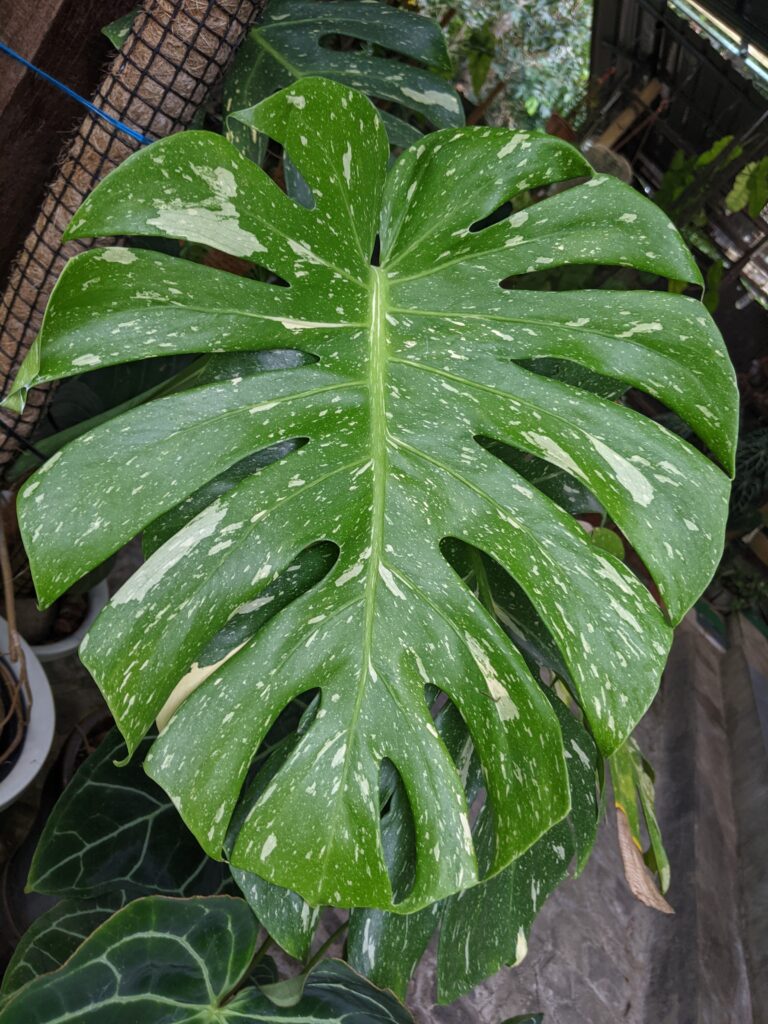
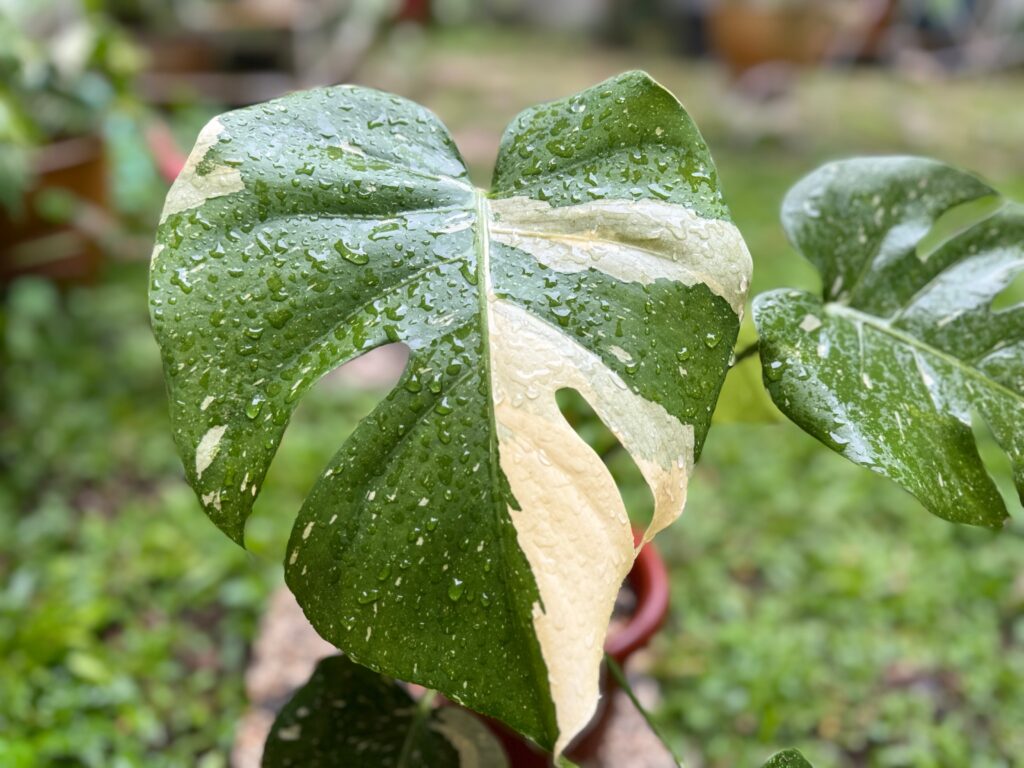
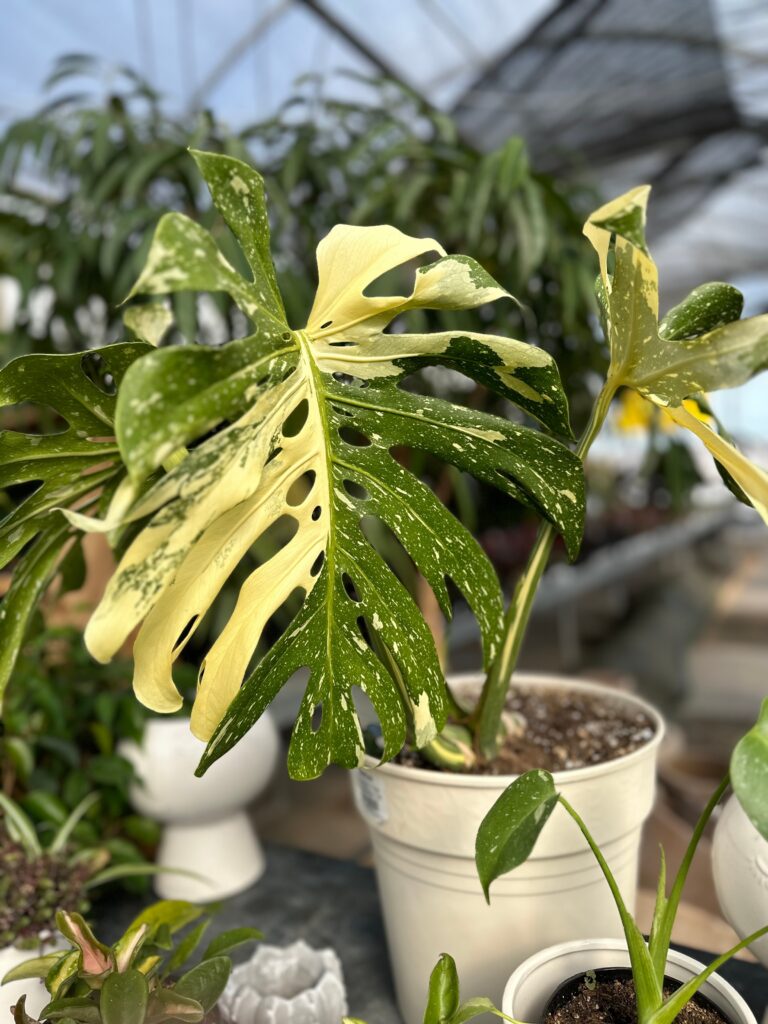
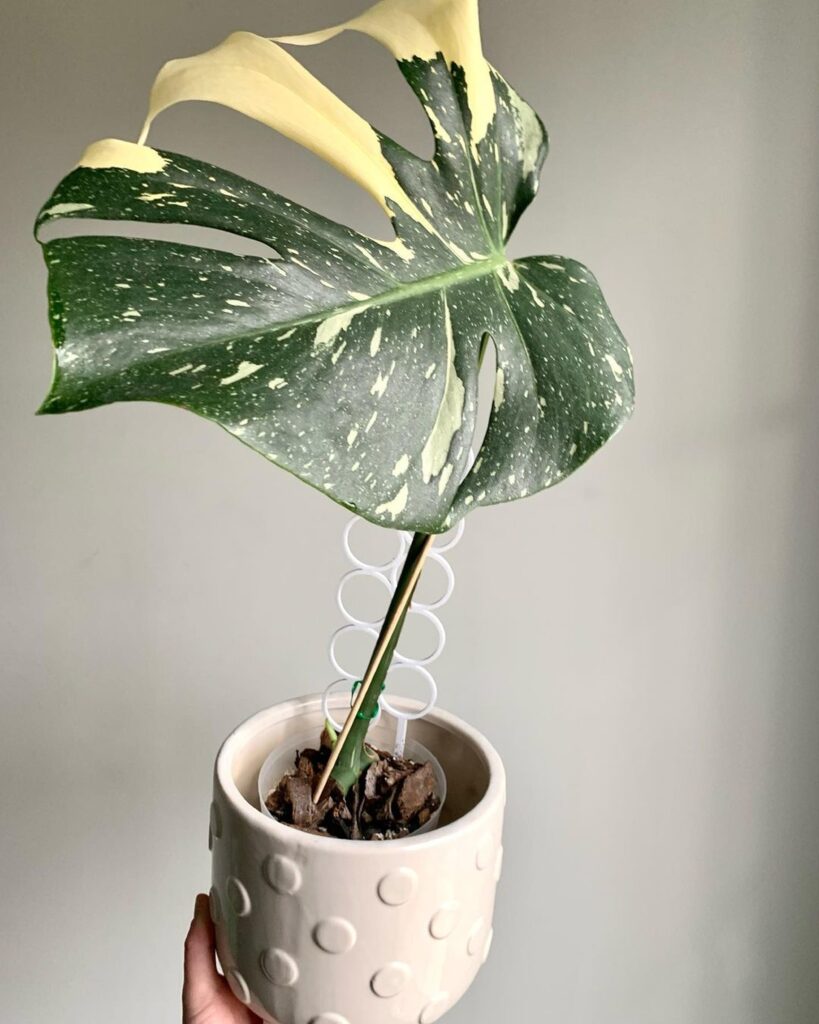
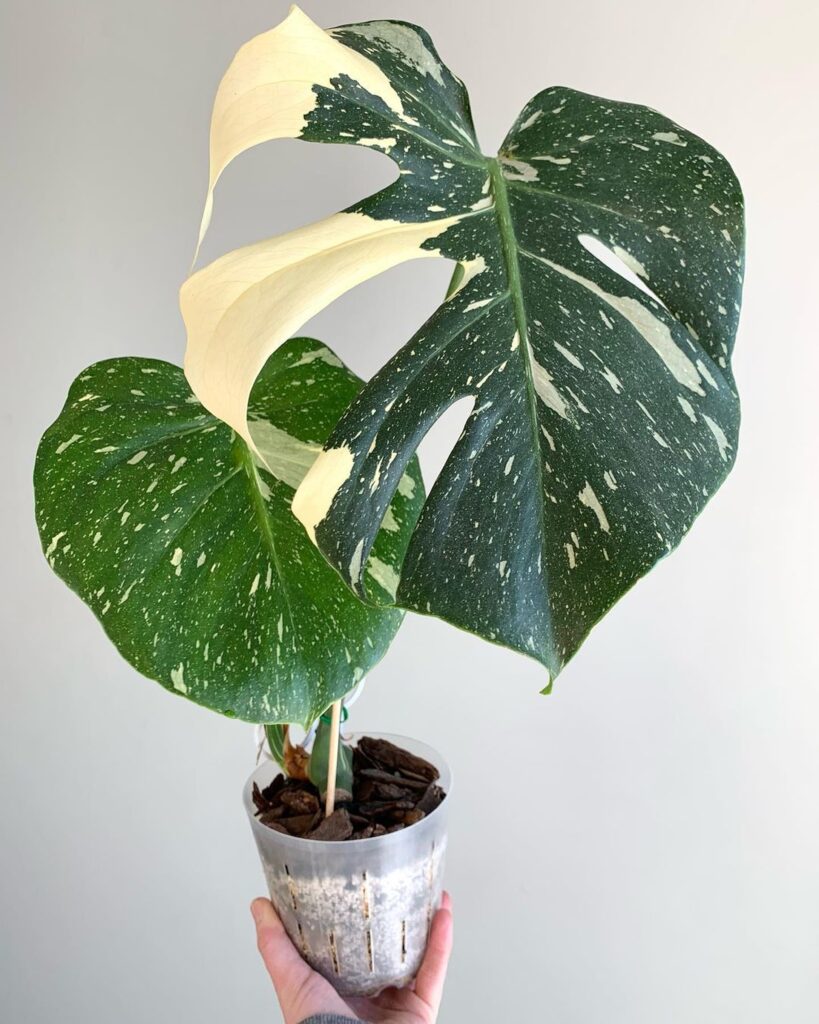
Monstera Thai Constellation has a way of capturing attention the moment you see it. With creamy, speckled variegation scattered across its large leaves, it looks almost like it’s been dusted with stars. While it might appear rare and delicate, this beautiful plant is surprisingly easy to look after once you understand what it needs.
And once your Thai Constellation has settled in, it’s easy to keep it growing and looking gorgeous. Here are my top growing tips to get you started.
What Is a Monstera Thai Constellation?
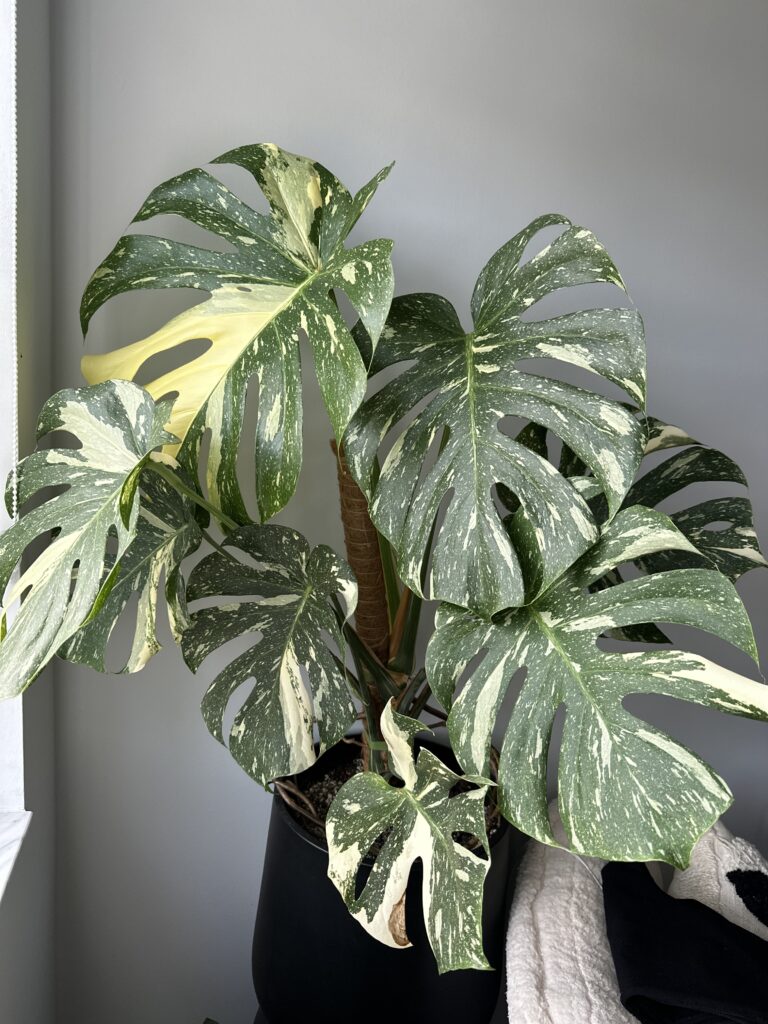
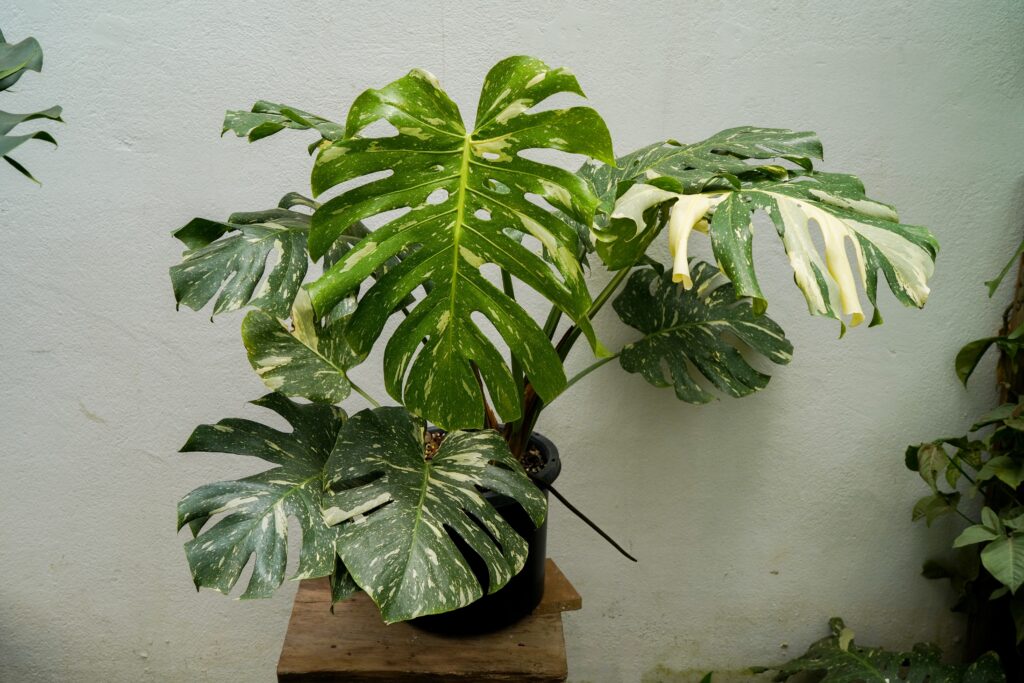
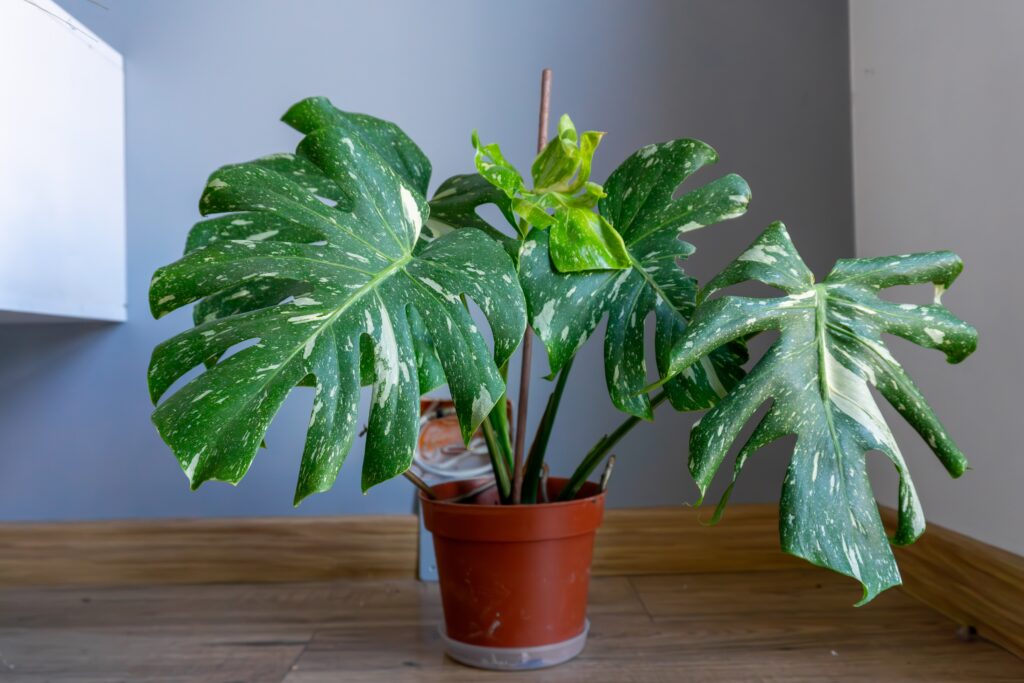
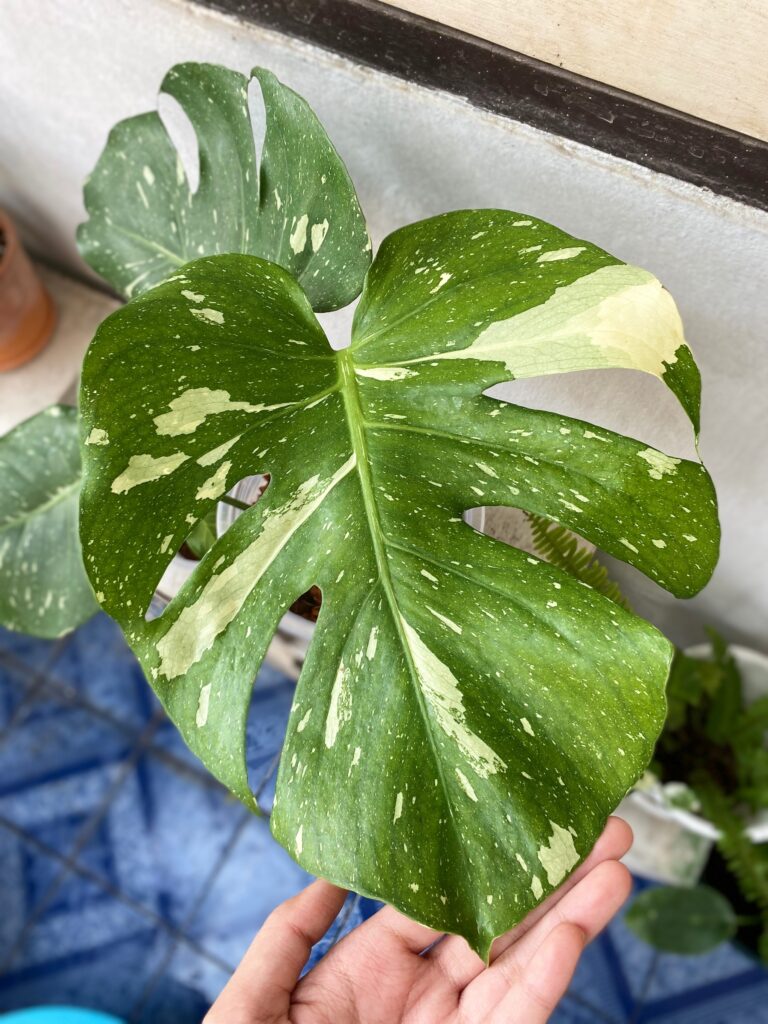
Monstera Thai Constellation is a beautiful variegated form of Monstera deliciosa, the classic Swiss cheese plant. Its name comes from the creamy, star-like speckles scattered across the leaves, which look a bit like a constellation in the night sky.
This variety was originally developed through tissue culture in Thailand, which is how it got its name. One of the things that makes Thai Constellation so popular is that its marbled pattern is stable, meaning the creamy variegation stays consistent as the plant grows.
You might also hear about another variegated Monstera called an Albo. While both are stunning, Albo plants tend to have larger blocks of white and their variegation can be less predictable. Thai Constellation, on the other hand, usually keeps its speckled pattern, making it a bit more reliable for beginners.
Because the lighter areas of the leaves don’t produce as much energy as the green parts, Thai Constellation plants grow a little more slowly than standard Monsteras. The slower pace is well worth it though, as each new leaf brings that beautiful, starry pattern that makes this plant such a standout indoors.
Finding the Perfect Spot for Your Thai Constellation
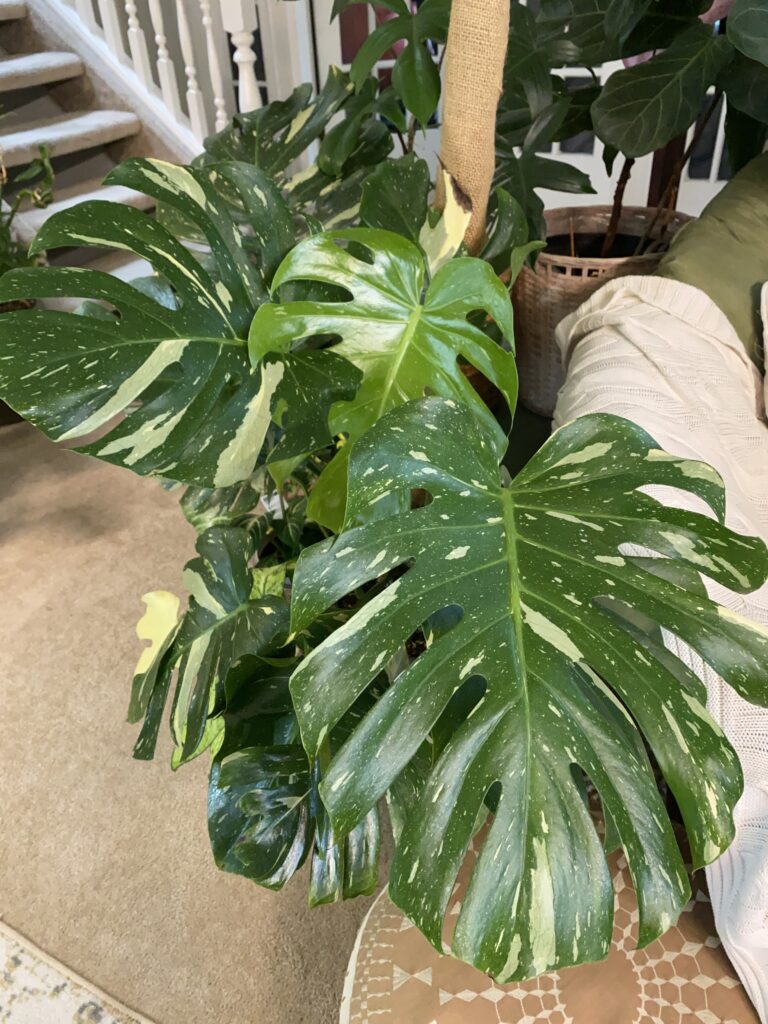
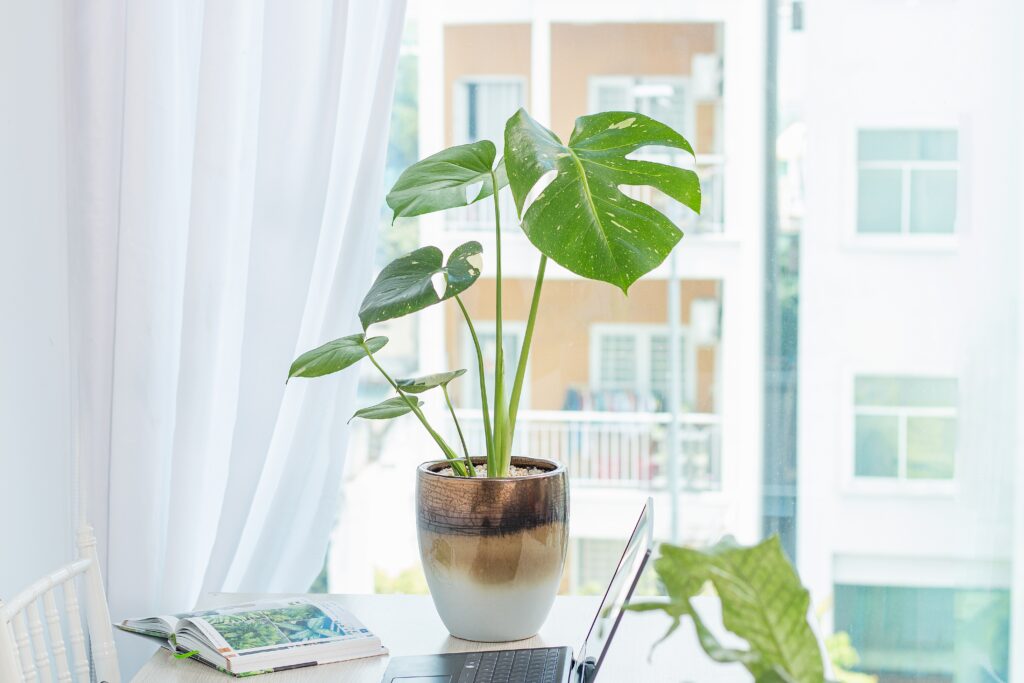
Monstera Thai Constellation loves a bright spot indoors, especially where the light is soft and indirect. The creamy variegated areas of the leaves need plenty of light to stay healthy and vibrant, but too much direct sun can scorch those pale sections and leave unsightly brown patches.
A position near an east- or north-facing window is ideal, where the plant can enjoy gentle morning or consistent filtered light throughout the day. If your brightest windows face south or west, simply place the plant a little further back or use sheer curtains to soften the intensity.
If your Thai Constellation isn’t getting quite enough light, it will usually let you know. You might notice that new leaves are smaller than usual, growth slows down, or the beautiful variegation becomes less pronounced. Moving it to a brighter position will often make a noticeable difference over time.
Watering
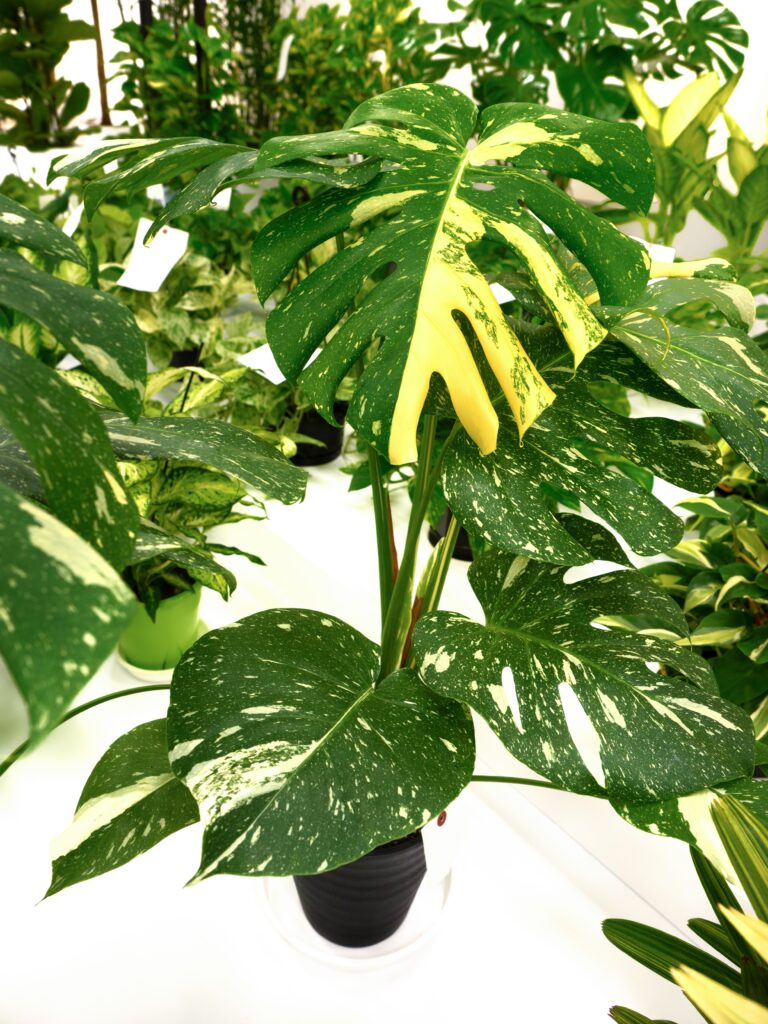
Generally, less is more. Thai Constellation grows a little more slowly than a standard Monstera, so it doesn’t use water as quickly, which means it’s easier to overdo it.
The best approach is to let the top few inches of soil dry out before watering again. When you do water, give the plant a thorough soak until water runs freely from the drainage holes, then empty any excess from the saucer so the roots aren’t left sitting in moisture.
As a general guide, you’ll probably find yourself watering about once a week to every ten days during the warmer months, and less often in winter. Sometimes every two to three weeks. That said, it’s always better to check the soil rather than rely on a strict schedule, as light, temperature, and pot size can all affect how quickly it dries.
If your plant is getting too much water, it will usually show a few clear signs:
- Yellowing leaves
- Soft or mushy stems,
- A consistently wet potting mix
Catching these signs early and allowing the soil to dry out can help prevent more serious issues like root rot.
Potting Mix and Drainage
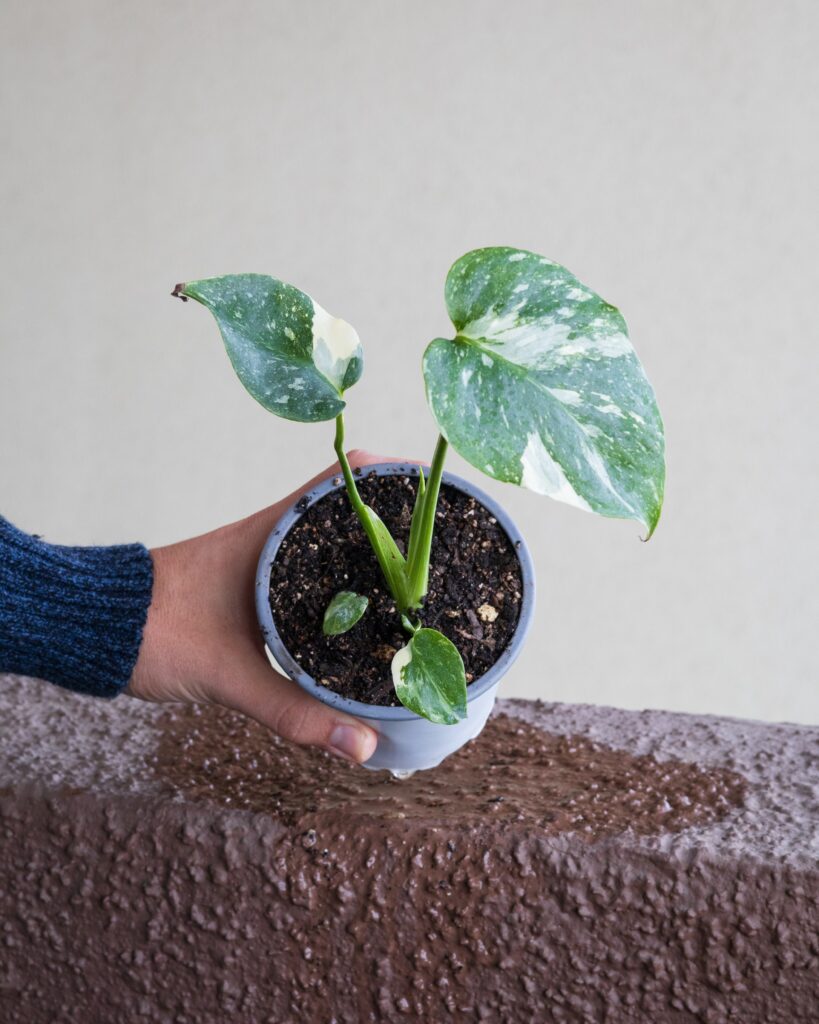
A Monstera Thai Constellation is happiest in a loose, airy potting mix that allows both moisture and oxygen to reach the roots. In its natural environment, this plant grows in well-draining, organic material rather than dense soil, so recreating that kind of structure indoors makes a big difference.
A simple blend works beautifully:
- Start with a good-quality indoor potting mix
- Add orchid bark and perlite or pumice to improve drainage and airflow
- If you’d like to take it a step further, a small amount of coco coir or horticultural charcoal can help with moisture balance and overall soil health.
Just as important as the mix itself is the pot you choose. Always use a container with drainage holes so excess water can escape easily. This prevents the roots from sitting in soggy soil and helps protect the plant from root rot.
Does Monstera Thai Constellation Need Support?
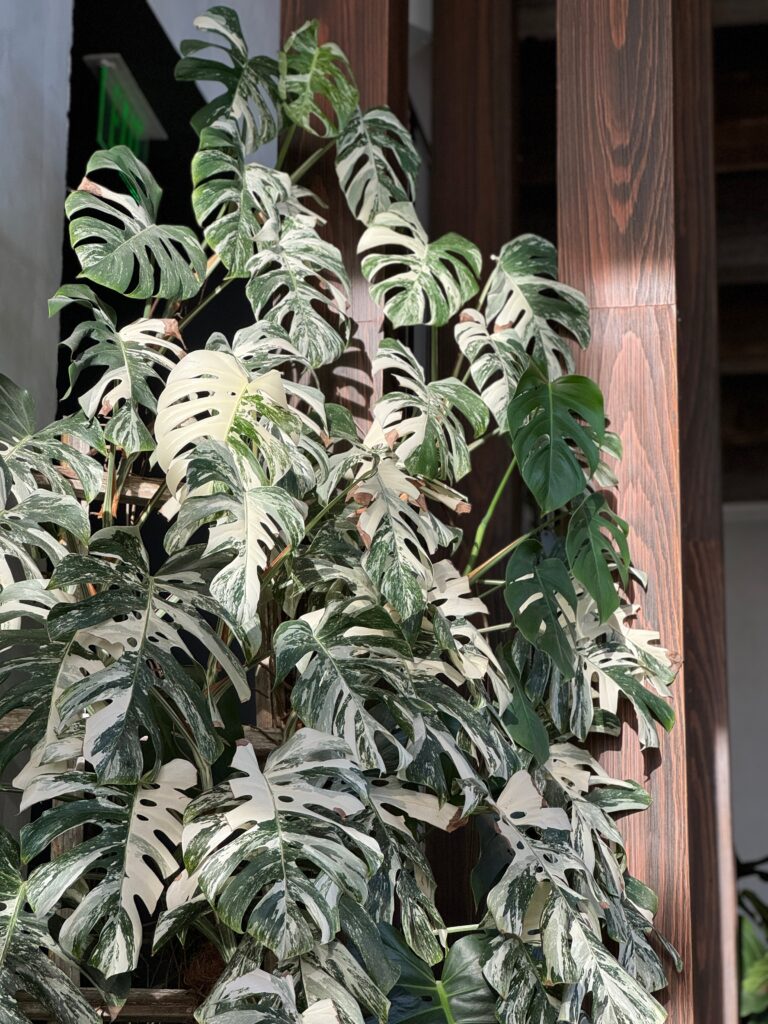
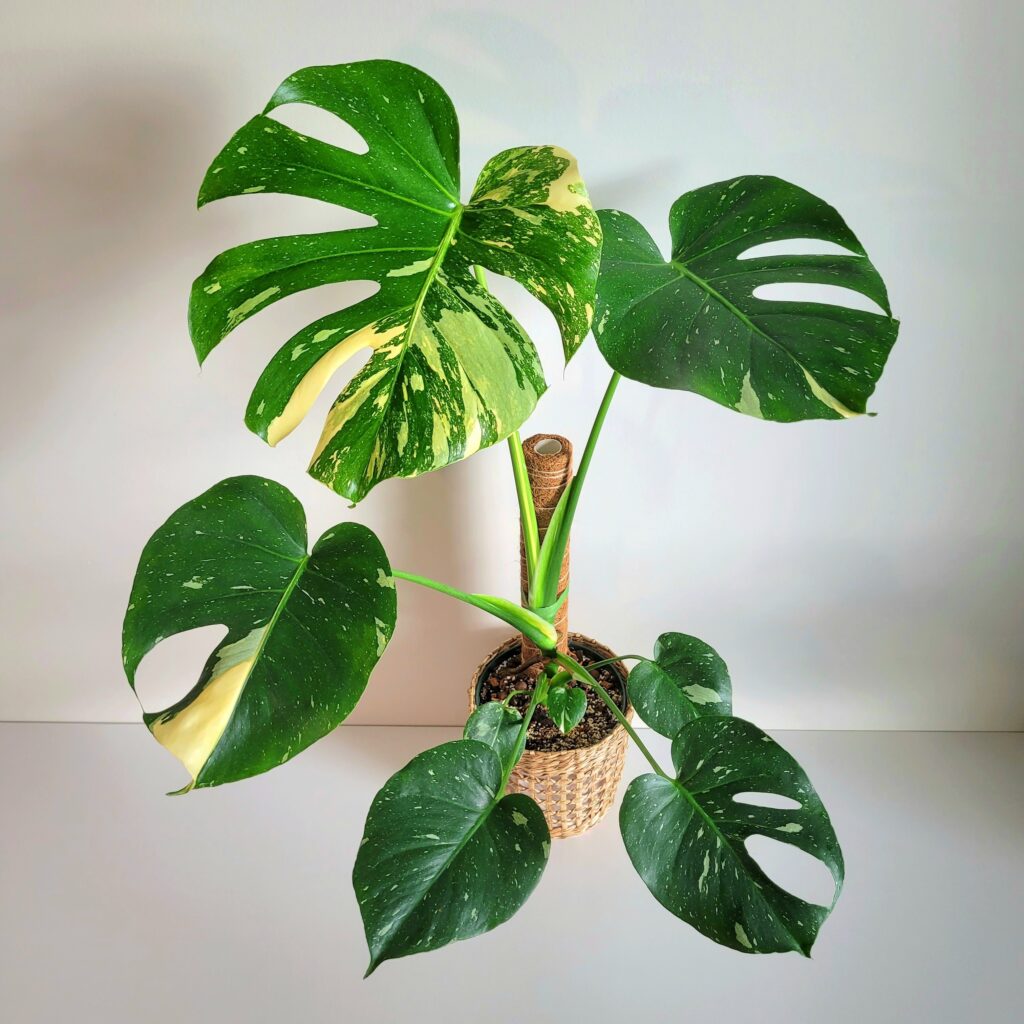
Monstera Thai Constellation naturally grows as a climber, so giving it something to attach to can make a big difference in how it looks and develops. While it will grow perfectly well in a pot on its own, providing support encourages the plant to grow upwards and produce larger, more dramatic leaves with those beautiful splits and holes.
A moss pole, coir pole, or even a simple stake works well. As the plant climbs, its aerial roots can anchor into the support, helping it feel more stable and promoting stronger, more mature growth.
If you prefer a more relaxed style, you can also let your Thai Constellation spill gently over the sides of its pot. It will still thrive, but the leaves may remain smaller and the plant can start to lean as it grows. Training it upward simply creates that classic, sculptural Monstera look that many people love.
Humidity and Temperature
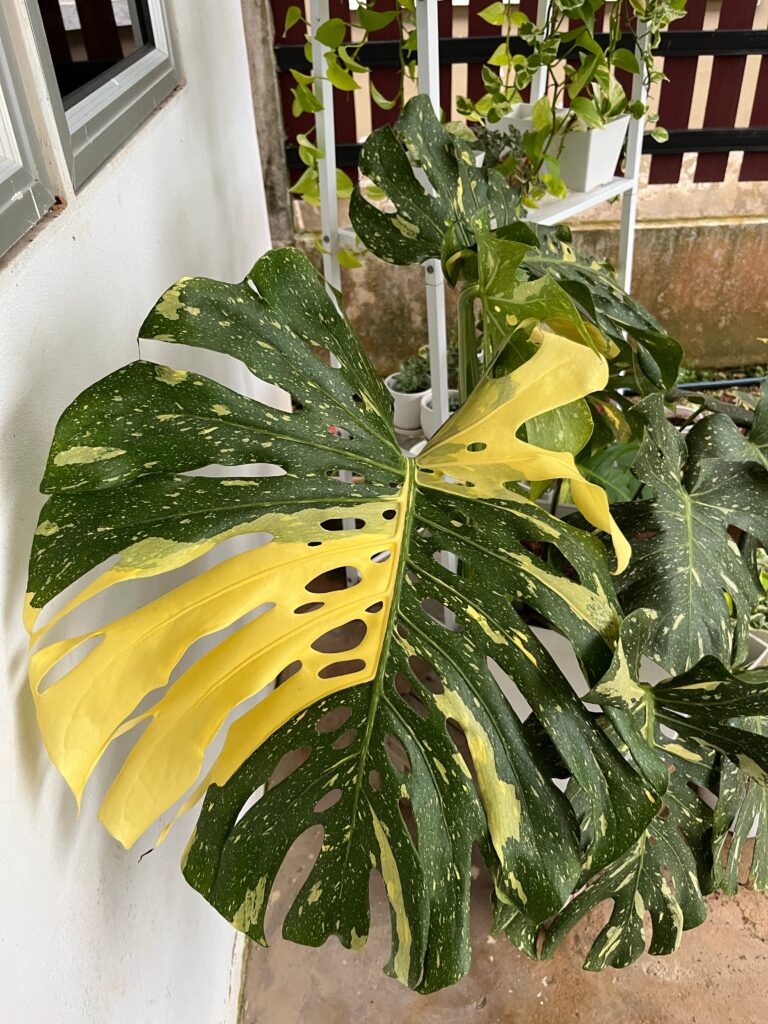
As a tropical plant, Thai Constellation prefers moderate to high humidity.
- Ideal humidity: 60% or higher
- Temperature range: 65–85°F (18–29°C)
If your home is dry, consider:
- Using a humidifier
- Grouping plants together
- Placing the plant in naturally humid rooms like kitchens or bathrooms
Avoid cold drafts or sudden temperature changes.
Fertilizing Your Thai Constellation
Because of its slower growth, Thai Constellation doesn’t need heavy feeding.
- Use a balanced liquid fertilizer diluted to half strength.
- Apply once a month during spring and summer.
- Reduce or stop feeding during autumn and winter.
Over-fertilizing can lead to salt buildup and leaf damage, so less is more.
When and How to Repot
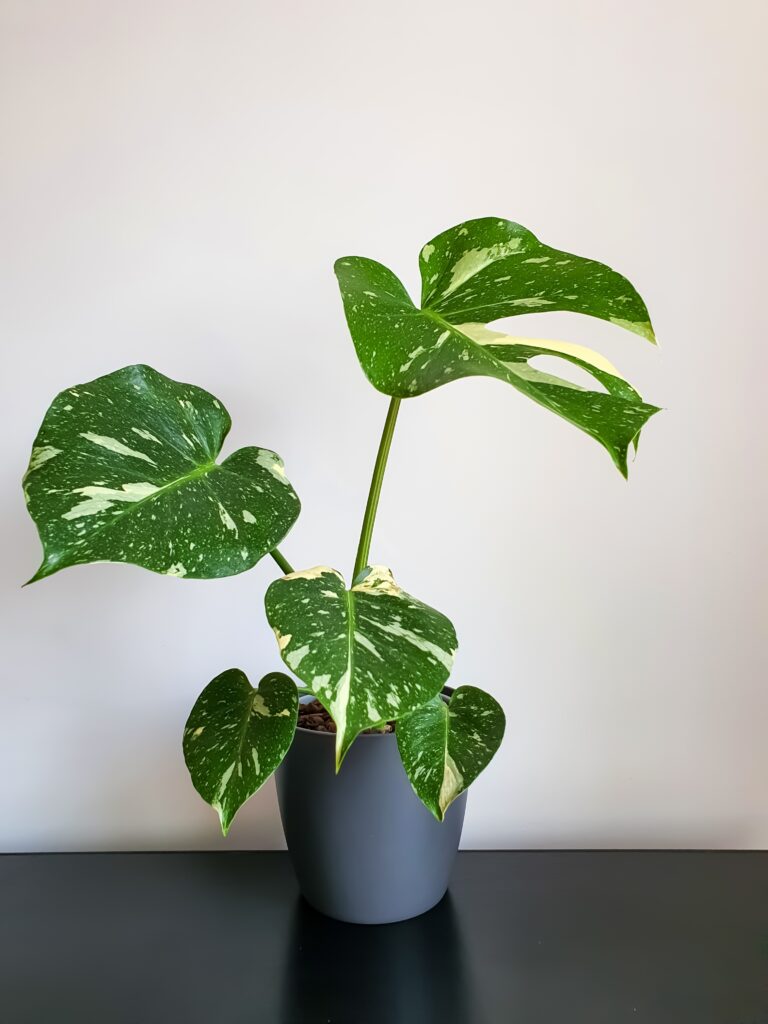
Repot your Thai Constellation every 1–2 years, or when you notice:
- Roots emerging from drainage holes
- Soil drying out very quickly
- Slowed growth despite good care
Choose a pot only 1–2 inches larger than the current one to avoid excess moisture retention.
Propagating Monstera Thai Constellation
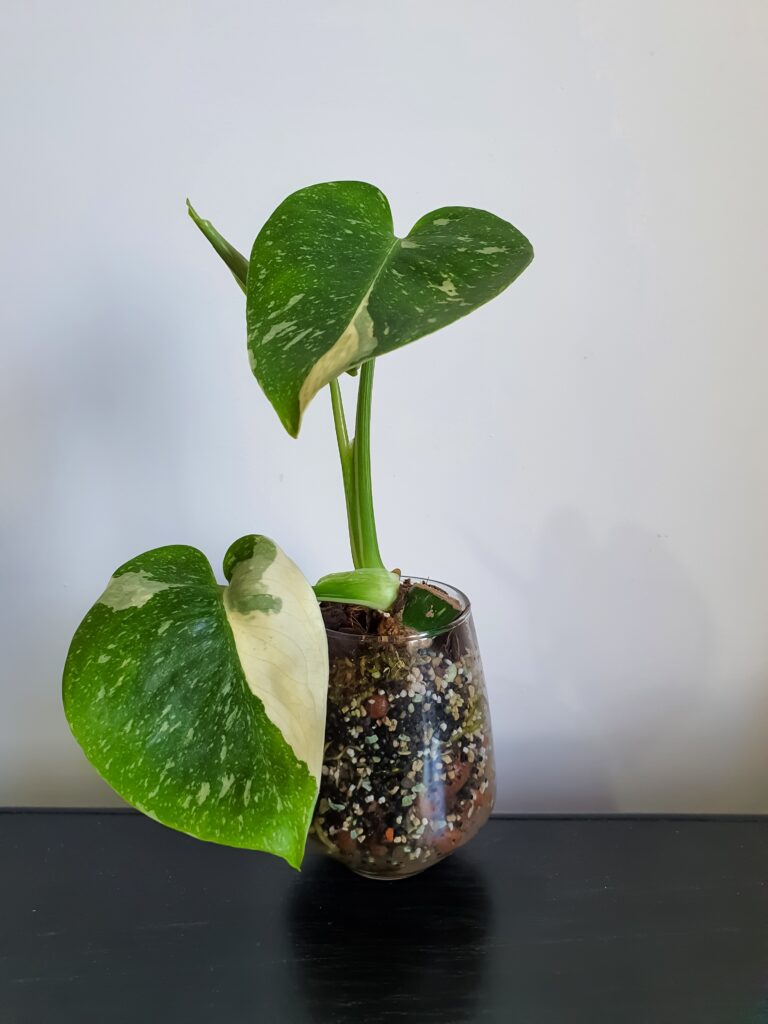
Propagating a Monstera Thai Constellation is a rewarding way to grow your collection or share this beautiful plant with friends. While it’s a little slower than propagating something like pothos, it’s still very achievable once you know what to look for.
The key is choosing a healthy section of stem that includes at least one node. A node is the small bump on the stem where roots and new growth develop. If the cutting also has an aerial root, that’s even better, as it helps the plant establish more quickly.
- Using clean, sharp scissors or pruning shears, make a cut just below the node.
- From there, you have a few options for rooting. Many people like to place the cutting in water so they can easily watch the roots develop, while others prefer sphagnum moss or a light, well-draining potting mix. Any of these methods can work well.
- Keep the cutting in a warm spot with bright, indirect light and be patient.
- Roots can take several weeks to appear, and growth is typically slower than with non-variegated Monsteras.
- If you start the cutting in water, wait until the roots are a few inches long before transferring it to soil.
With a little time and care, your new plant will establish itself and begin producing those beautiful, star-speckled leaves.
Is Thai Constellation Toxic to Pets?
Yes. Like all Monstera deliciosa varieties, Thai Constellation is toxic to cats and dogs if ingested. Keep it out of reach of curious pets or consider pet-safe alternatives if nibbling is a concern.
Common Problems (and How to Fix Them)
Brown or Crispy White Areas
Often caused by too much direct sunlight or low humidity. Move the plant to a brighter but protected spot and increase humidity.
Yellow Leaves
Usually a sign of overwatering. Allow the soil to dry more between waterings and make sure it has proper drainage.
Slow Growth
Normal for this variety, but it may also indicate insufficient light or nutrients.
Root Rot
Caused by consistently wet soil. Repot into fresh, well-draining mix and trim affected roots.
Final Tips for Happy Growth
Just a few final tips to get your Thai Constellation looking incredible!
- Rotate the plant every few weeks for even growth.
- Wipe the leaves occasionally to keep them dust-free.
- Provide a moss pole for larger, more dramatic foliage.
- Be patient… Thai Constellation grows more slowly than standard Monsteras.